When patients ask me about “seed cycling” for fertility, I smile a little – not because it’s a new idea, but because it’s a very old one. Traditional Chinese Medicine has had its own seed-based fertility formula for close to a thousand years. It’s even named after seeds: Wu Zi Yan Zong Wan (五子衍宗丸, wǔ zǐ yǎn zōng wán), which translates roughly to “Five Seeds Pill to Bring Forth Offspring.”
I find it genuinely interesting when two very different medical traditions – one built on centuries of clinical observation, the other on modern nutritional biochemistry – arrive at a similar idea from opposite directions. In this post, I want to walk through both:
what the TCM formula does, what the seed cycling approach involves,
what current research actually shows, and
where I think the two traditions can support each other in a fertility care plan.
As always, this is general information, not a substitute for individualised clinical advice. Fertility is influenced by many factors, and any herbal or nutritional approach should be discussed with your practitioner alongside your existing fertility care.
Wu Zi Yan Zong Wan: TCM’s Original “Seed” Formula
Wu Zi Yan Zong Wan was developed during the Ming dynasty and is built around a simple but elegant TCM principle:
以子补子 (yǐ zǐ bǔ zǐ), “using seeds to supplement seeds.”
In TCM theory, plant seeds carry a concentrated form of the plant’s reproductive vitality, and this formula uses five of them to nourish what we call Kidney Jing (肾精, shèn jīng) – Kidney Essence, the substance TCM considers foundational to reproduction, growth, and development.
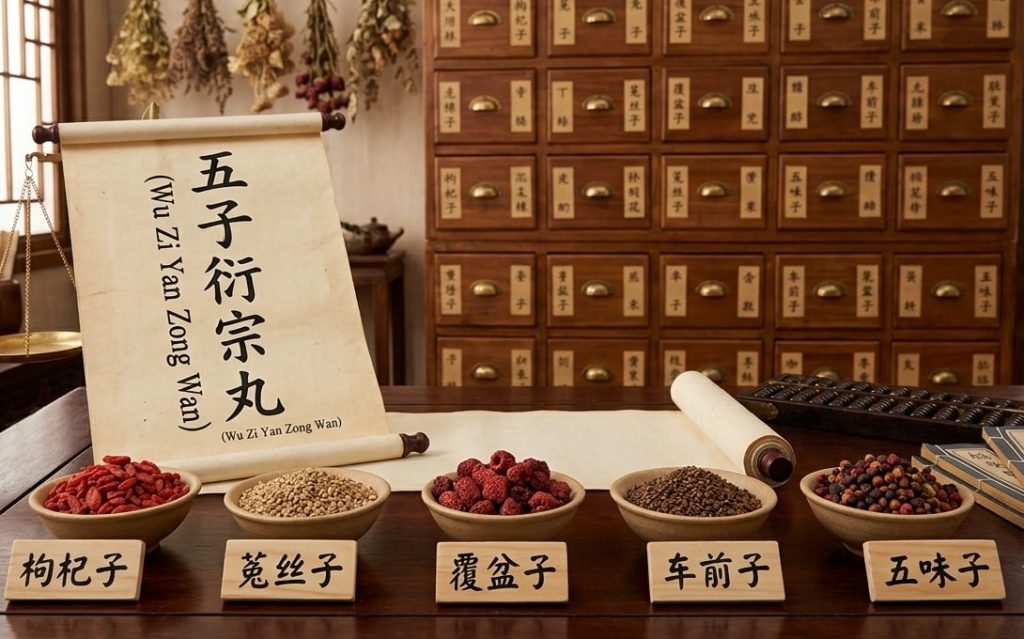
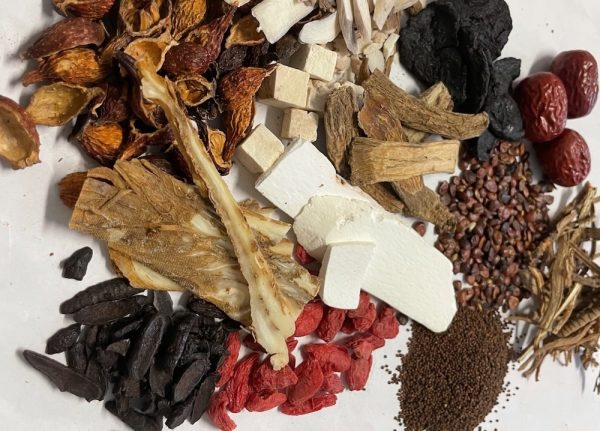
The five seeds are:
Gou Qi Zi (枸杞子) – goji berry, the lead herb for nourishing Kidney and Liver essence
Tu Si Zi (菟丝子) – dodder seed, warming and Yang-tonifying for the Kidneys
Fu Pen Zi (覆盆子) – Chinese raspberry fruit, which helps consolidate and “lock in” the essence
Che Qian Zi (车前子) – plantain seed, which keeps the formula moving rather than stagnant
Wu Wei Zi (五味子) – schisandra berry, an astringent that also supports the consolidation action
Wu Zi Yan Zong Wan – Five Seed Formula for Fertility Health
Together, this combination is traditionally used for what TCM describes as Kidney Qi, Yang, and Jing deficiency patterns – presentations that often overlap with low sperm count, poor sperm motility, and general reproductive fatigue in men, though the formula has historically been used to support fertility more broadly.
What the research says
Modern research on Wu Zi Yan Zong Wan has focused mainly on male fertility, and the results are worth paying attention to.
A 2025 meta-analysis pooling 11 randomised controlled trials and 951 men found that adding the formula to standard treatment was associated with meaningfully higher pregnancy rates in female partners, along with improvements in semen volume, sperm concentration, and both total and forward sperm motility, plus reductions in abnormal sperm morphology.
A separate double-blind, placebo-controlled trial in Hong Kong involving men with low motile sperm counts also reported improvements in semen quality and sperm function, with a higher two-year pregnancy rate among men who took the formula.
Animal and laboratory studies have tried to explain why. Research has suggested the formula may support semen quality in men with poor semen parameters or unexplained infertility, and may reduce sperm DNA damage in men with low sperm counts, while mechanistic studies point to effects on oxidative stress and cell survival pathways within the testes.
It’s worth being clear-eyed here: the meta-analysis authors themselves note that larger, well-designed trials are still needed. This is promising evidence for an adjuvant approach, not a proven stand-alone treatment — which is exactly why I prescribe it as part of a broader plan rather than in isolation.
Seed Cycling: The Western Nutritional Take
On the other side of the world, a newer nutritional practice called “seed cycling” has been gaining attention for women’s hormonal and fertility support – including at dedicated seed-cycling businesses here in Australia. The idea is to eat different seeds across the two halves of the menstrual cycle:
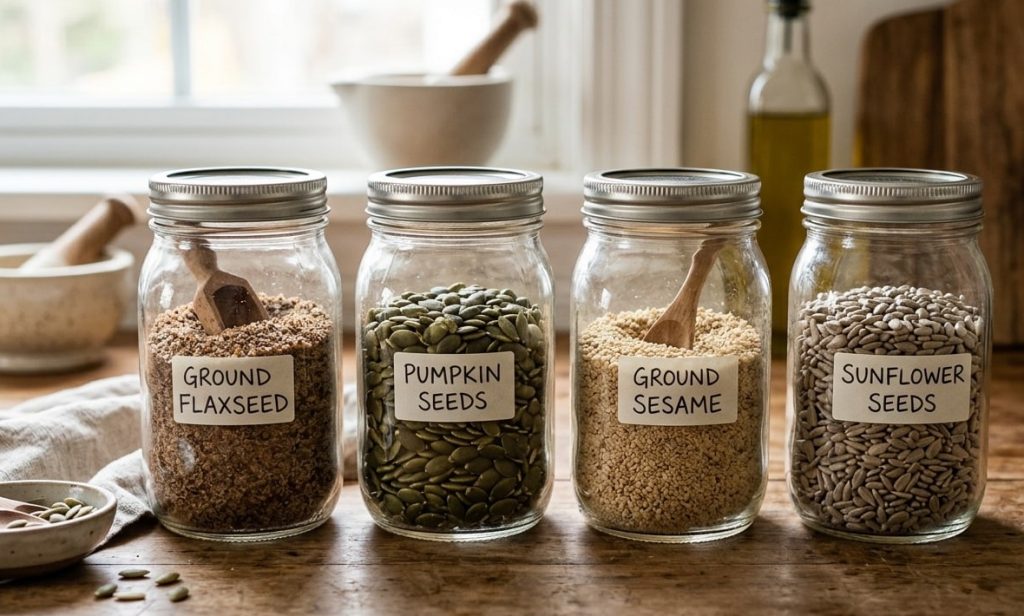
Follicular phase (roughly days 1-14): ground flaxseed and pumpkin seeds
Luteal phase (roughly days 15-28): ground sesame seeds and sunflower seeds
The proposed mechanisms are nutritional rather than energetic.
Flaxseed and sesame seed are rich in lignans, plant compounds that can act as mild phytoestrogens and may help modulate how the body metabolises estrogen.
Pumpkin seed and sesame seed are good sources of zinc, a mineral involved in progesterone production, while sunflower seed provides vitamin E and selenium, which are linked to antioxidant support and healthy thyroid function – itself closely tied to reproductive hormone regulation.
So the honest picture is this: the individual nutritional components – lignans, zinc, selenium, vitamin E – have reasonably good evidence behind their roles in hormone metabolism.
Where the Two Traditions Meet
What I find most useful clinically isn’t choosing one system over the other – it’s noticing where they agree. Both traditions independently identified seeds as a concentrated source of reproductive support, and both point toward the same underlying nutrients doing meaningful work: zinc for hormone production, antioxidants for protecting egg and sperm quality, and lignans or phytochemicals for hormone metabolism.
In practice, this means:
For men, Wu Zi Yan Zong Wan (adjusted to the individual’s pattern) may be considered alongside lifestyle changes as part of a fertility support plan, particularly where semen parameters are a concern.
For women, incorporating flax, pumpkin, sesame, and sunflower seeds through the diet – whether cycled with the menstrual phases or simply eaten regularly – is a low-risk way to add zinc, selenium, vitamin E, and lignans to support hormonal health.
For couples, thinking about fertility as something both partners can nutritionally and herbally support tends to produce better outcomes than focusing on one partner alone.
None of this replaces a proper fertility work-up, and herbal formulas like Wu Zi Yan Zong Wan should be tailored to your individual TCM pattern rather than taken generically – the raw formula isn’t right for every presentation, and interactions with other medications or supplements should always be checked with your practitioner first.
A Note on Expectations
I want to be upfront: neither seeds nor herbal formulas are a guaranteed fix for fertility challenges, and the research, while encouraging, is still developing in both traditions. What both bodies of evidence support is that seeds – as a category – may play a meaningful supportive role in reproductive hormone health and semen quality, alongside good sleep, stress management, and any medical fertility treatment you’re already pursuing.
If you’d like to talk through whether Wu Zi Yan Zong Wan or a tailored seed-based nutrition plan makes sense for your situation, our practitioners at Almond Wellness Centre are happy to assess your individual pattern and put together a fertility preparation plan that fits alongside your existing care.
References
Cui F, Zhang Y, Fan Y. Adjuvant treatment with Wu-Zi-Yan-Zong formula for abnormal sperm parameters associated with male infertility: a meta-analysis of randomized controlled trials. Front Pharmacol. 2025;16:1580705. doi:10.3389/fphar.2025.1580705.
Zhao MP, Shi X, Kong GWS, Wang CC, Wu JCY, Lin ZX, et al. The therapeutic effects of a traditional Chinese medicine formula Wuzi Yanzong Pill for the treatment of oligoasthenozoospermia: a meta-analysis of randomized controlled trials. Evid Based Complement Alternat Med. 2018;2018:2968025. doi:10.1155/2018/2968025.
One of the first questions I ask women who are trying to conceive is:
“Have you had your Vitamin D levels checked recently?”
The answer is often something like:
“I thought Vitamin D was only important for bones.”
That used to be the general view. But today, we know Vitamin D plays a much bigger role in overall health – including fertility.
In recent years, Vitamin D has become one of the most studied nutrients in reproductive medicine. A large 2025 systematic review and dose-response meta-analysis of more than 15,000 women provides some of the strongest evidence yet that Vitamin D status may influence fertility outcomes.¹
So what does this actually mean if you’re trying to get pregnant?
Why Vitamin D Matters for Fertility
Vitamin D is often called a vitamin, but it actually acts more like a hormone in the body.
Researchers have found Vitamin D receptors throughout the female reproductive system, including the ovaries, uterus, and endometrium (the uterine lining). This suggests that Vitamin D may influence several key aspects of fertility.
Ovarian Function
Vitamin D appears to help regulate hormones involved in egg development and ovarian reserve, including Anti-Müllerian Hormone (AMH) and Follicle Stimulating Hormone (FSH).
These hormones play important roles in egg quantity and quality.
Endometrial Receptivity
For pregnancy to occur, an embryo must successfully implant into the uterine lining.
Vitamin D helps regulate genes involved in endometrial receptivity, including HOXA10, which supports implantation and early pregnancy development.
Protection of Developing Eggs
Vitamin D has also been found in follicular fluid, the fluid surrounding developing eggs inside the ovary.
Research suggests it may help reduce oxidative stress, which can negatively affect egg quality.
This doesn’t mean Vitamin D is a miracle fertility treatment. However, it does suggest that low levels could potentially make conception more difficult.
What the Research Found
Earlier studies on Vitamin D and fertility were mixed. Some showed benefits, others showed no clear link.
This 2025 meta-analysis is important because it combined a large number of studies and examined dose-response effects — not just whether Vitamin D matters, but how much is enough.¹
Low Vitamin D = Lower Pregnancy Rates
Women with levels below 20 ng/mL had significantly lower clinical pregnancy rates compared with those above this level.
Higher Levels = Better Live Birth Rates
Women with Vitamin D levels ≥30 ng/mL had higher live birth rates compared to those who were deficient or insufficient.
A Possible Threshold Around 24 ng/mL (60 nmol/L)
Outcomes tended to become less favourable when Vitamin D dropped below ~24 ng/mL.
Above this level, results appeared more stable and generally improved with higher Vitamin D levels.
What Should You Do?
A simple blood test (25(OH)D) will tell you your status.
This is especially important if you:
Common
Easy to test
Simple to correct
So it’s a very reasonable part of preconception care.
1. Get Your Levels Checked
A simple blood test measuring serum 25(OH)D can tell you whether your Vitamin D levels are adequate.
Testing is particularly important if you:
Spend most of your time indoors
Live in southern Australia, especially during winter
Have darker skin
Carry excess body weight
Regularly use sun protection
2. Know Your Target
Based on current evidence:
Minimum: ~24 ng/mL (60 nmol/L)
Optimal range: ≥30 ng/mL (75 nmol/L)
3. Supplement If Necessary
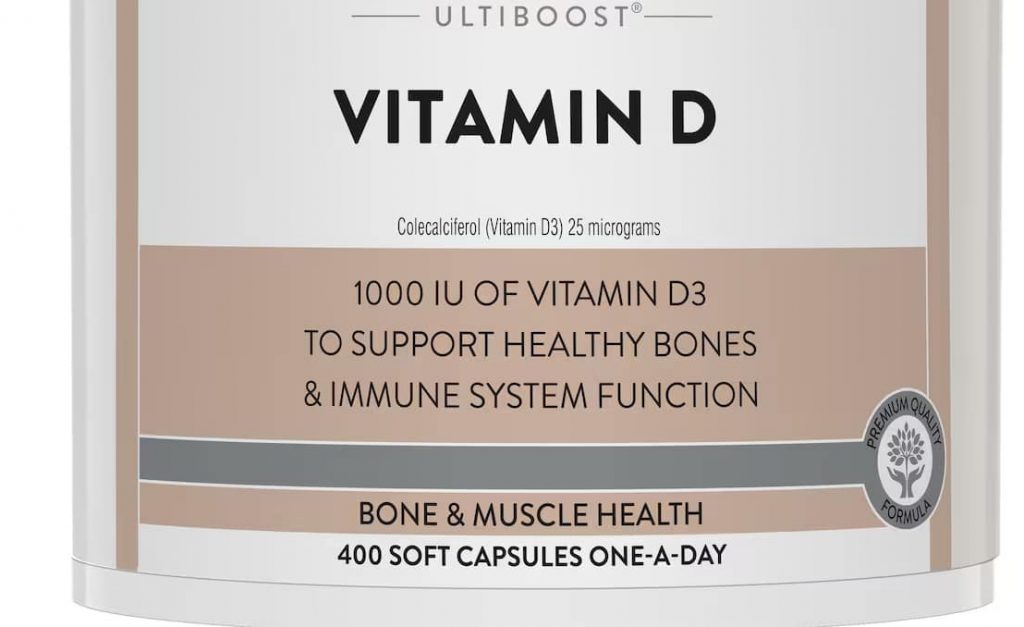
If levels are low, Vitamin D3 (cholecalciferol) is usually recommended.
Typical maintenance doses range:
2,000–4,000 IU daily
Higher doses may be needed if deficiency is significant (under supervision).
Recheck levels after 8–12 weeks.
4. Don’t Depend on Sunshine Alone
Living in Melbourne makes consistent Vitamin D from sunlight difficult for many people – especially those working indoors.
Diet (oily fish, eggs, fortified foods) helps, but is rarely enough to correct deficiency alone.
The Bigger Picture
Vitamin D is just one piece of the fertility puzzle.
It will not overcome:
Poor egg quality
Blocked tubes
Endometriosis
Male factor infertility
But it may help remove one small, modifiable barrier.
How Traditional Chinese Medicine Fits In
At Almond Wellness Centre, we combine both modern reproductive science and Traditional Chinese Medicine (TCM).
Alongside nutritional and blood test insights like Vitamin D, acupuncture and herbal medicine may support:
Menstrual regularity
Ovarian function
Uterine blood flow
Stress regulation
IVF preparation
Together, this can help create a more supportive environment for conception.
Xu C, An X, Tang X, Yang Y, Deng Q, Kong Q, et al. Association between vitamin D level and clinical outcomes of assisted reproductive treatment: a systematic review and dose-response meta-analysis. Reprod Sci. 2025;32(5):1446-1458. doi:10.1007/s43032-024-01578-9.
About Author
Dr Richard Zeng is the Clinical Director of Almond Wellness Centre and a fourth-generation Traditional Chinese Medicine practitioner with clinics in Coburg and Ringwood, Melbourne.
She was 41. They’d been trying for over a year. A fertility specialist had already told her her AMH was low and her egg quality “not ideal.”
She paused for a moment, then asked the question I hear from so many women sitting in that same chair.
“I just want to know… is there anything else I can still do?”
For many of my patients, that question is the beginning of a very different journey, and if you’re reading this, you might be in a similar place.
By this point, many women already understand the numbers. AMH, follicle count, hormone levels. They’ve already spent months researching before they even walk into my clinic.
What you’re looking for is a shift away from looking at fertility as just numbers on a lab report, and toward understanding the whole body, the whole person.
That’s where Traditional Chinese Medicine (TCM) – especially Chinese herbal medicine – often comes in.
Let’s talk about it properly. No false promises. No empty hope. Just an honest conversation about what may still help.
First – How TCM Sees Fertility Over 40
In Western medicine, the focus is very clear:
ovarian reserve
egg quality
hormone levels
These are all important when it comes to fertility.
But in TCM, my goal is to zoom out and ask about your body overall.
How regular is your cycle?
How is your sleep?
Your digestion?
Your stress levels – really?
Because from a TCM perspective, fertility isn’t just about the ovaries. It’s about the environment your body creates every month.
It’s important to note that two women, both 40, same AMH – may receive completely different herbal formulas. Because in TCM, we don’t treat “being 40.”
We treat you.
So… What Do Chinese Herbs Actually Do?
This is where expectations matter.
Chinese herbs don’t “boost egg quality overnight.” They don’t override biology. What they can do is support:
hormonal balance
blood flow to the uterus
stress response
overall reproductive environment
In the clinic, I often explain it this way:
“We are not changing the egg itself – we are improving the soil it grows in.”
The 5 Most Common Herbal Patterns We See
These are the patterns we actually see in clinic.
1. Kidney Yin Deficiency
(Often linked to the “running low” feeling)
This is one of the most common patterns in women over 40.
You might notice:
shorter cycles
light periods
night warmth or mild night sweats
dryness
that “afternoon crash”
Common herbs:
Shu Di Huang
Bai Shao
Gou Qi Zi (goji)
Shan Zhu Yu
Nü Zhen Zi
These formulas aim to nourish and rebuild.
2. Kidney Yang Deficiency
(When things feel… cold, slow, low energy)
Different pattern, different feeling.
You may have:
feeling cold (especially lower back/abdomen)
long cycles
low libido
fatigue, especially mornings
Common herbs:
Yin Yang Huo
Xian Mao
Ba Ji Tian
Tu Si Zi
Du Zhong
Balanced support. Not extreme.
3. Blood Deficiency
(Not enough nourishment for the uterine lining)
You might see:
light periods
dizziness
poor sleep
anxiety or palpitations
Common herbs:
Dang Gui
Bai Shao
Shu Di Huang
Long Yan Rou
I have a patient who once told me:
“I didn’t realise how tired my body was… until I started feeling stronger again.”
That’s the result of blood tonics and medicinal herbs working quietly in the background.
4. Qi Deficiency
(Energy is the foundation of your body and it is often overlooked)
Very common. Especially in busy women juggling work, family, IVF appointments…
Signs:
constant fatigue
bloating
loose stools
feeling overwhelmed easily
Common herbs:
Huang Qi
Dang Shen
Shan Yao
Bai Zhu
These are not glamorous herbs. But they are essential. Without good digestion and energy, nothing else works properly.
5. Blood Stagnation
(When things are stuck rather than lacking)
This one is different.
Signs:
painful periods
clots
fixed pain
endometriosis (in TCM context)
Common herbs:
Chuan Xiong
Chi Shao
Yi Mu Cao
Tao Ren
Used carefully, especially if you’re actively trying to conceive.
A Real Case I Had (You Might Relate)
A patient, 42, came in after 2 failed IVF cycles.
Her words:
“They told me my egg quality is poor. I feel like I’m running out of time.”
We worked together for about 3 months in regular appointments:
herbs + acupuncture
focus on sleep, digestion, stress
After that:
her cycle became more regular
her energy improved
she felt “more stable” emotionally
She went on to do another IVF cycle.
Was it a guarantee? No.
But she said something that stayed with me:
“At least now I feel like my body is working with me, not against me.”
How Long Does It Take?
This is one of the most common questions I am asked.
Realistically:
4–6 weeks → you may start noticing changes
8–12 weeks → clearer pattern shifts
In our clinic:
about 50–60% of patients report noticeable improvement within 2–3 cycles
Improvement might mean:
better cycle regularity
improved energy
less PMS
better sleep
It is not a dramatic overnight change, but shows consistent signs of steady, meaningful progress.
Self-Prescribing Herbs Is Not a Good Idea, Why?
This part is important.
Chinese herbal medicine is not like buying supplements online. The same herb can help one person or worsen symptoms in another.
It depends on:
your pattern
dosage
combination
timing within your cycle
Also:
herbs may interact with IVF medications
quality varies significantly
So yes, while I understand the temptation to “just try something”, in practise it often leads to wasted time or worse – imbalance.
Working With a TCM Practitioner
At Almond Wellness Centre, we approach this step by step.
Your first consultation includes:
full fertility history
cycle assessment
sleep, digestion, stress
IVF plans (if relevant)
Then we decide:
herbs
acupuncture
or both
And we adjust as your body changes.
A Gentle, Honest Note
Chinese herbal medicine has been used for thousands of years. Modern research is still evolving.
What we can say is:
it can support your body
it can improve your internal environment
it can complement medical treatment
But:
it is not a guarantee
it is not a replacement for IVF or medical care
From our experience in treating patients, the best results usually come from combining both approaches.
If You’re Over 40 and Trying to Conceive…
You’re not alone.
And you’re not “too late”, although yes, time matters.
So the goal is: use the time you have as effectively as possible
If you’re exploring Chinese herbal medicine, the most helpful step is a personalised plan.
Ready to Talk?
We have clinics in Melbourne:
In our Melbourne clinics, many women come to us for fertility acupuncture and Chinese herbal medicine after being told their AMH is low or their egg quality may be declining with age.
Coburg – 21 Bell Street
Ringwood – 31 Wantirna Road
Fluid retention, also known as oedema, is a common condition that can cause swelling of the face, legs, ankles, or hands, often accompanied by a heavy or sluggish feeling in the body. Many people seek a natural treatment for fluid retention when symptoms become recurrent or persistent.
In Traditional Chinese Medicine (TCM), oedema is not viewed as a local problem alone. Instead, it is often associated with weakness or imbalance of the Lung, Spleen, and Kidney systems, which are responsible for regulating fluid metabolism.
When qi is deficient, the body lacks the strength to properly move and transform fluids. Over time, this leads to water accumulation in the tissues, resulting in swelling and discomfort.
At Almond Wellness Centre, we often see fluid retention associated with:
Qi deficiency
Spleen weakness
Kidney qi deficiency
Kidney yang deficiency
Damp accumulation
When the body’s qi becomes weak, fluids are not transformed and transported properly. Over time, water can accumulate in the tissues, leading to swelling and discomfort.
One gentle dietary therapy commonly used in TCM for this pattern is Astragalus and Adzuki Bean Soup.
Astragalus & Adzuki Bean Soup for Fluid Retention
This classic TCM soup is easy to prepare at home and is suitable for ongoing, gentle support.
Ingredients
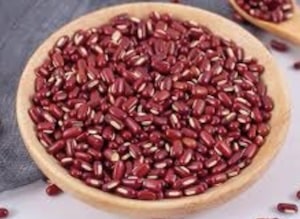
Adzuki beans (Chi Xiao Dou) – 50 g
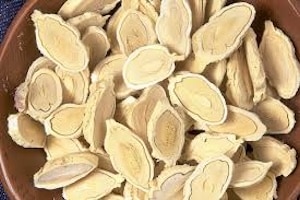
Astragalus (Huang Qi) – 15 g
Astragalus is one of the most widely used qi-tonifying herbs in Traditional Chinese Medicine.
huang qi – Astragalus
Chi xiao dou – Adzuki beans
How to Prepare
Soak the adzuki beans in clean water for 2 hours.
Place the soaked beans and Astragalus into a pot.
Add an appropriate amount of water and bring to a gentle boil.
Simmer until the beans are soft and fully cooked.
Allow to cool slightly before consuming.
Recommended intake:
One serving daily
Benefits of Astragalus in TCM
Astragalus (Huang Qi) is one of the most important qi-tonifying herbs in Traditional Chinese Medicine. Its key actions include:
Strengthening qi and raising yang
Supporting Lung and Spleen function
Promoting urination and reducing swelling
Stabilising the exterior and reducing spontaneous sweating
Supporting tissue repair and recovery
Classical medical texts from the Qing Dynasty recorded the use of Astragalus porridge for generalised oedema. In modern clinical practice, Astragalus is particularly effective for oedema caused by qi deficiency and impaired water metabolism, especially when related to Kidney qi or Kidney yang weakness.
Why Add Adzuki Beans (Chi Xiao Dou)?
In TCM, adzuki beans are valued for their ability to:
Strengthen the Spleen
Promote urination
Clear dampness and toxins
Reduce swelling and heaviness
When combined with Astragalus, this formula works synergistically to support the Spleen, improve fluid metabolism, and relieve oedema, without weakening the body.
Who May Benefit from This Soup?
Astragalus & Adzuki Bean Soup may be helpful for people experiencing:
Recurrent or chronic fluid retention
Swelling of the legs, ankles, or face
Heavy or tired limbs
Qi deficiency with poor circulation of fluids
This approach is especially suitable for those seeking a gentle, long-term TCM solution for oedema, rather than short-term symptom suppression.
⚠️ For persistent or severe swelling, underlying medical causes should be ruled out. Individualised treatment from a qualified TCM practitioner is recommended.
How We Support Oedema at Almond Wellness Centre
At Almond Wellness Centre, we take a holistic approach to fluid retention using:
Acupuncture to regulate fluid pathways (circulation)
Dietary and lifestyle guidance based on TCM principles
If fluid retention is affecting your daily comfort or quality of life, a personalised assessment can help identify the root cause and guide effective treatment.
Our clinics are located in Melbourne at:
Almond Wellness Centre Coburg
Almond Wellness Centre Ringwood
If fluid retention is affecting your comfort, mobility, or energy levels, a personalised TCM assessment may help identify the underlying pattern and guide treatment.
📞 Phone: (03) 8802 1519
Frequently Asked Questions
Can acupuncture help fluid retention?
Acupuncture is commonly used in Traditional Chinese Medicine to support circulation, regulate fluid metabolism, and improve underlying imbalances linked to oedema.
Is fluid retention always related to kidney problems?
Not always. Fluid retention can have many causes. In TCM, digestive weakness, qi deficiency, damp accumulation, and circulation issues may also contribute.
Is Astragalus safe for everyone?
Astragalus is widely used in TCM, but herbal medicine should be prescribed carefully based on the individual. Always seek advice from a qualified practitioner if you have medical conditions or take medications.
Maintaining healthy vitamin D levels during pregnancy is important for both mother and baby. Recent research has drawn attention to a possible link between low vitamin D levels at birth and an increased likelihood of neurodevelopmental conditions such as autism spectrum disorder (ASD) and attention deficit hyperactivity disorder (ADHD) later in life.
Why This Matters
Newborn babies cannot make their own vitamin D – they depend entirely on what is transferred from the mother during pregnancy. Vitamin D plays a well-known role in supporting bone health, but it also contributes to brain development and immune regulation.
A large international study, published in The Lancet Psychiatry, analysed blood samples from more than 70,000 Danish newborns.¹ The researchers found that babies with very low vitamin D levels (below 25 nmol/L) had a higher likelihood of developing certain mental health or developmental conditions later in life.
While this study does not prove that vitamin D deficiency directly causes these conditions, it highlights the importance of maintaining adequate vitamin D during pregnancy for overall maternal and infant health.
What’s Next for Australia?
In Australia, vitamin D recommendations during pregnancy are currently being reviewed as part of national maternity care guidelines.²
At present, routine testing for vitamin D deficiency is not recommended for all pregnant women. However, those at risk – such as people with limited sun exposure, darker skin, or certain dietary restrictions – may be advised to monitor and manage their levels.
As obstetrician Dr Amanda Henry notes, “Mental health is multifactorial, but optimising maternal nutrition remains key.” Ensuring adequate vitamin D is just one part of supporting healthy pregnancy outcomes.
What You Can Do
Here are some general ways to help maintain healthy vitamin D levels during pregnancy:
☀️ Get safe sunlight exposure — short periods outdoors several times a week can help boost vitamin D.
🥛 Include vitamin D-rich foods such as oily fish (salmon, sardines), eggs, and fortified products like milk or margarine.
💊 Discuss supplementation with your GP or healthcare practitioner if you have low levels or limited sun exposure.
Always seek personalised advice from your qualified healthcare provider before taking supplements during pregnancy.
This information is intended for general education and should not replace medical advice. Please consult your healthcare practitioner for guidance specific to your health and pregnancy.