Author: Dr. Richard Zeng, Acupuncturist Melbourne, TCM Doctor
Quick Navigation
In Chinese medicine, sexual vitality isn’t treated as a separate issue from the rest of your health – it’s read as a reflection of it. When patients come to see me about low libido, erectile difficulties, or a general sense that their “spark” has gone missing, I’m rarely looking at just one herb or one symptom. I’m looking at the whole picture: sleep, stress, energy, digestion, and often what we call Kidney Jing (肾精, shèn jīng) – the deep reserve of vitality that Chinese medicine considers the root of both sexual and reproductive function (it’s the same underlying concept I talk about in Chinese medicine for fertility).
That said, a handful of herbs come up again and again in this conversation, both in the classical literature and in modern laboratory and clinical research. I want to walk through eight of them here – what they’re traditionally used for, and what the science currently says.
A quick note before we start: none of this is intended to diagnose, treat, or cure any condition, and it isn’t a substitute for a proper consultation. Herbs interact with medications (particularly heart, blood pressure, and hormone-related medications) and aren’t appropriate for everyone. If low libido or sexual difficulty is something you’re dealing with, it’s worth having it properly assessed rather than self-prescribing – there can be underlying causes (hormonal, cardiovascular, psychological, medication-related) that need to be ruled out or addressed directly.
1. Epimedium – Yín Yáng Huò (淫羊藿)
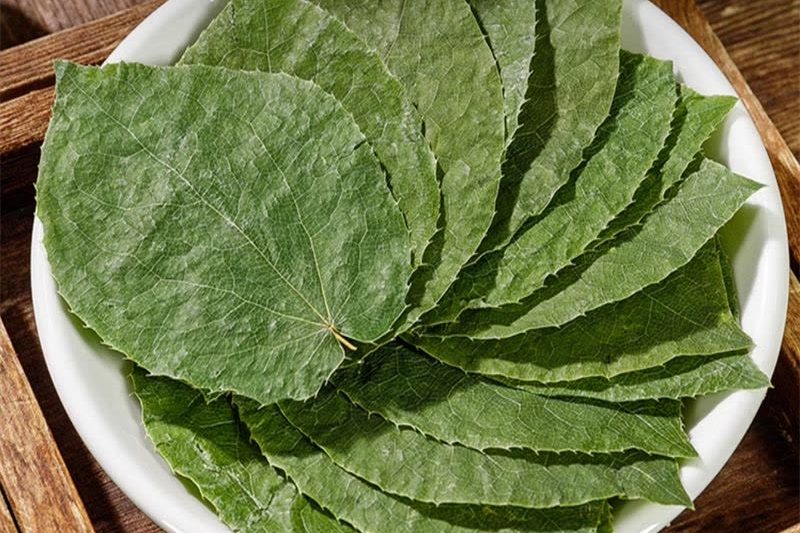
Epimedium, often sold in the West as “horny goat weed,” is probably the most recognisable herb on this list. In Chinese medicine it’s classified as a Kidney Yang tonic, traditionally used for what we’d describe as Yang deficiency – a pattern that can present as low libido, fatigue, cold hands and feet, and a general lack of drive.
The compound researchers have focused on is icariin, Epimedium’s main active flavonoid. Laboratory studies suggest icariin may work in a way that’s structurally similar to PDE5 inhibitors (the drug class that includes sildenafil) – by relaxing smooth muscle and supporting blood flow, with dose-dependent inhibitory effects on PDE5 activity demonstrated in isolated enzyme studies. Animal studies have shown Epimedium extract relaxing corpus cavernosum tissue through several targets in the nitric oxide/cyclic GMP signalling pathway, and a 2022 narrative review concluded that icariin and its derivatives could be a promising avenue for restoring erectile function, while noting that larger, higher-quality clinical trials are still needed.
It’s worth flagging: because icariin’s proposed mechanism overlaps with PDE5-inhibitor medications, Epimedium isn’t something to combine with those medications, or with nitrate medications, without medical supervision.
2. Cistanche – Ròu Cōng Róng (肉苁蓉)
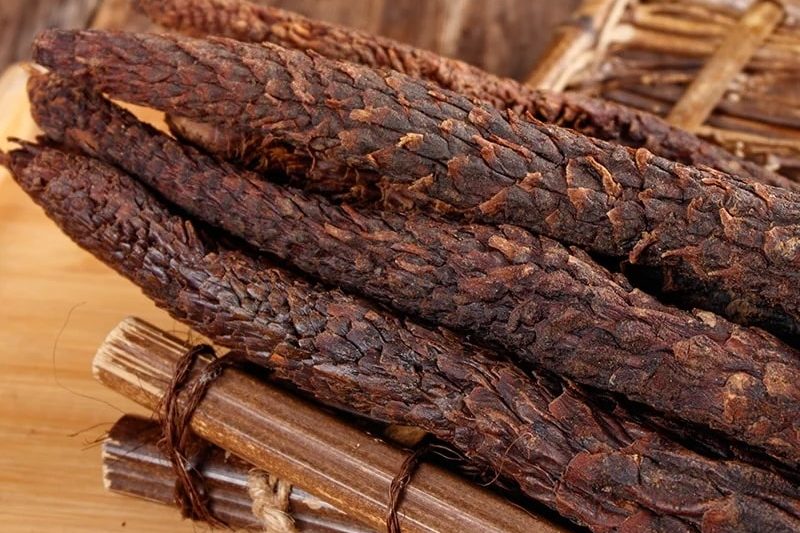
Cistanche is a parasitic desert plant that’s been used in Chinese medicine for centuries, first recorded in the classical text Shennong’s Materia Medica. It’s another Kidney Yang tonic, traditionally reached for alongside Epimedium for the same broad pattern – low vitality, low libido, and reproductive concerns in both men and women (it’s one of the herbs that shows up frequently in formulas for male fertility as well).
Modern research has mostly been done in animal models. In one study, castrated rats given Cistanche extract showed measurable changes in erectile response and reproductive hormone levels compared to untreated controls. Broader pharmacological reviews note that Cistanche’s active compounds (acteoside and related phenylethanoid glycosides) are associated with alleviating inflammation, improving kidney function, increasing testosterone, and supporting sperm vitality in the animal and clinical literature reviewed. This lines up with how the herb has always been used traditionally – as a tonic for exhaustion and reproductive decline rather than a fast-acting stimulant.
Human clinical trial data on Cistanche specifically for sexual function is still limited, so I’d treat the traditional use and the animal research as suggestive rather than conclusive.
3. Cordyceps – Dōng Chóng Xià Cǎo (冬虫夏草)
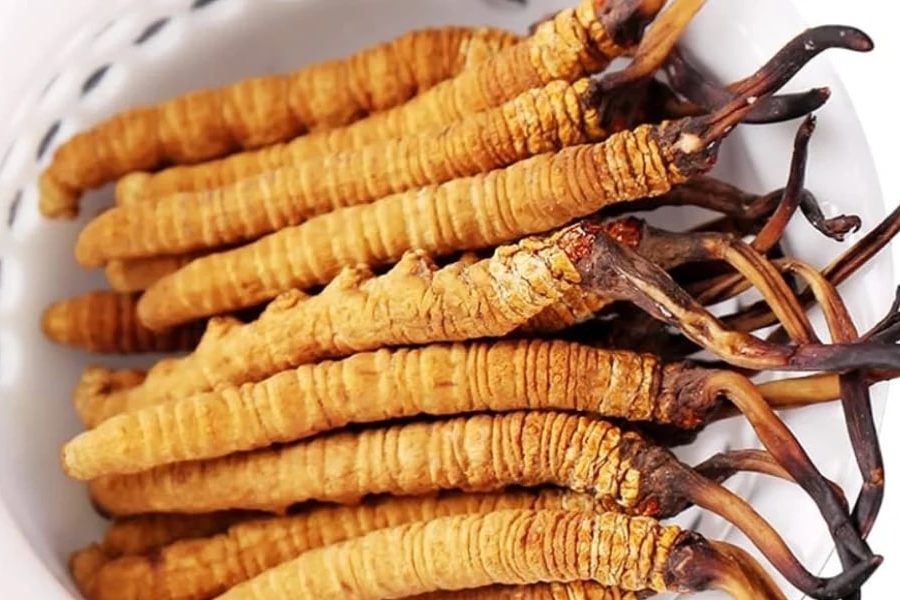
Cordyceps – the “winter worm, summer grass” fungus – has one of the more interesting mechanisms on this list. Traditionally it’s used as a Kidney and Lung tonic for fatigue, breathlessness, and reduced sexual function, and it’s often reached for in cases of general depletion rather than a specific sexual complaint.
At the cellular level, Cordyceps sinensis and its active compound cordycepin have been shown to significantly stimulate steroidogenesis in Leydig cells (the testosterone-producing cells in the testes) in laboratory studies, suggesting a plausible mechanism for enhanced reproductive function. On the clinical side, older studies of elderly patients with chronic fatigue-type presentations found that most participants taking Cordyceps mycelium reported improvement across a cluster of symptoms including cold intolerance, dizziness, and low libido, alongside fatigue and other markers. More recent small placebo-controlled work in older adults with low libido reported improved sexual desire after several weeks of supplementation, though sample sizes in this area remain small and results should be read cautiously.
4. Panax Ginseng – Rén Shēn (人参)
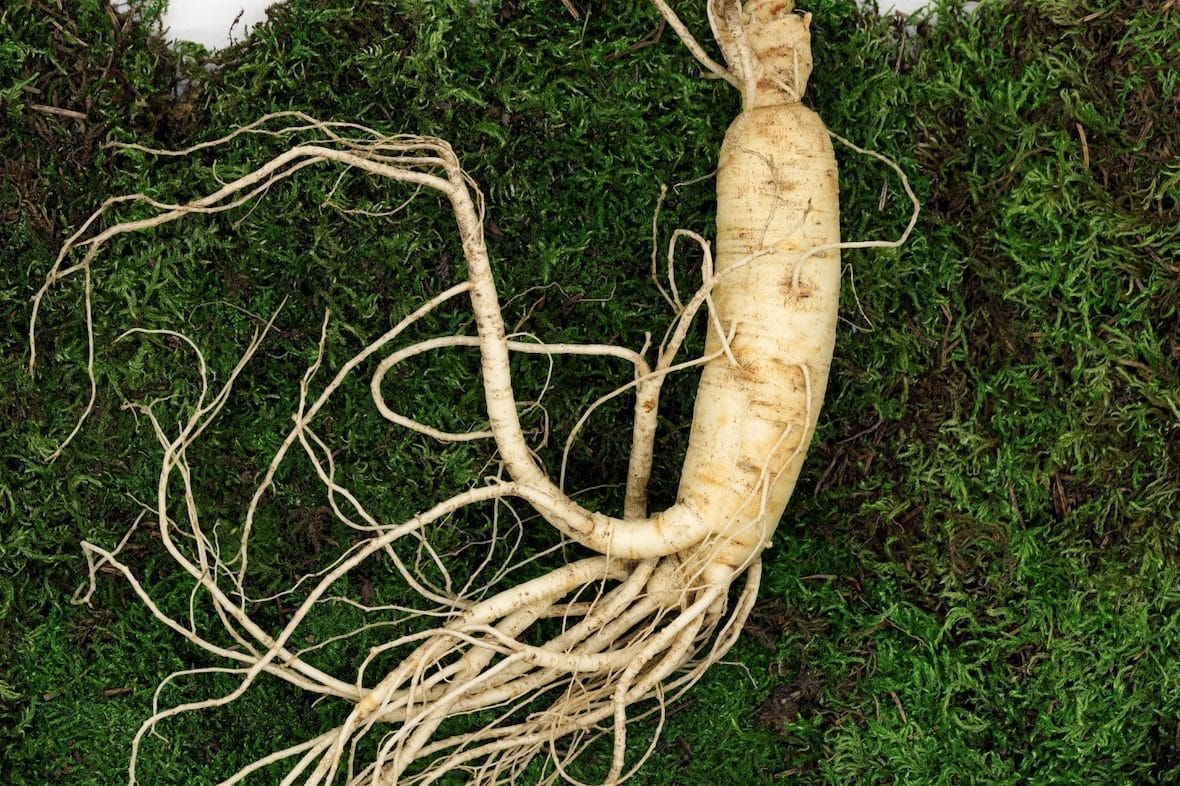
Ginseng is probably the best-researched herb for sexual function on this list, at least when it comes to human clinical trials. A broad systematic review of Panax ginseng across many areas of health identified four separate randomised controlled trials that specifically examined erectile dysfunction as an outcome, out of 65 trials reviewed overall – a reasonable-sized body of evidence for a single herb.
Most of that erectile-function research has actually used red ginseng, a steamed and dried preparation of the same Panax ginseng root, rather than the raw (“white”) form. A meta-analysis pooling data from seven of these trials found that red ginseng was superior to placebo in improving erectile function, though the authors noted the individual trials varied in methodological quality and called for better-designed studies. Whether raw and red preparations perform identically hasn’t been directly settled, but they share the same core active compounds (ginsenosides), and in Chinese medicine terms both are classed as Qi tonics – traditionally used for depleted energy and stamina, with sexual vitality considered downstream of that broader energetic picture rather than treated as an isolated target.
This is one of the few herbs on this list where I’d say the human trial evidence, while still imperfect, is reasonably encouraging.
5. Schisandra – Wǔ Wèi Zǐ (五味子)
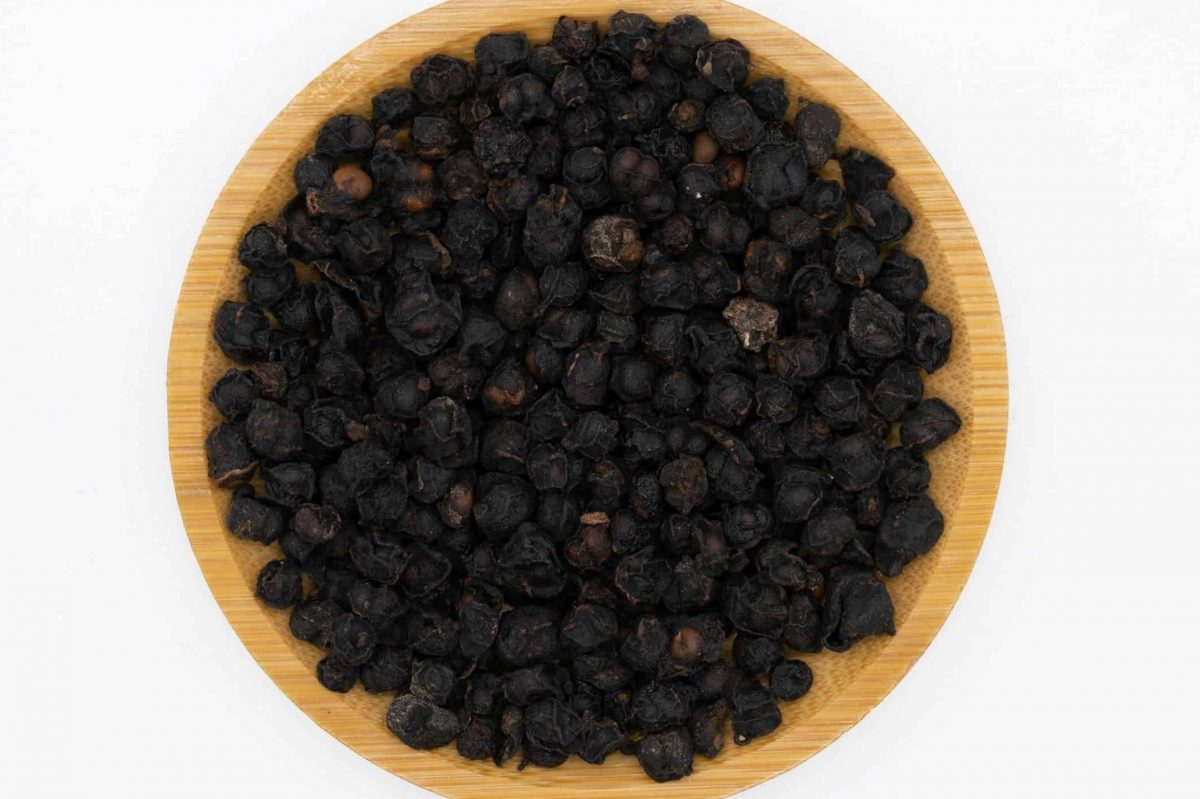
Schisandra – the “five-flavour fruit” – is classified in Chinese medicine as a Kidney and Lung astringent tonic, traditionally used for fatigue, night sweats, and what’s described as Kidney Yin (rather than Yang) deficiency, alongside a long folk reputation for supporting sexual stamina.
The research picture here is a little different from the others: Schisandra is best studied as an adaptogen, meaning its main documented effects are on stress resilience, cognitive function, and liver protection rather than sexual function specifically. A pharmacological review grouping Schisandra alongside Panax ginseng and Rhodiola noted that ginseng has documented effects on erectile dysfunction and promotes sexual arousal in menopausal women, while Schisandra’s more established evidence lies in its adaptogenic and neuroprotective effects. In practice, I tend to use Schisandra in formulas for patients whose low libido looks connected to chronic stress, poor sleep, or burnout, rather than as a stand-alone “libido herb.”
6. Goji Berry – Gǒu Qǐ Zǐ (枸杞子)
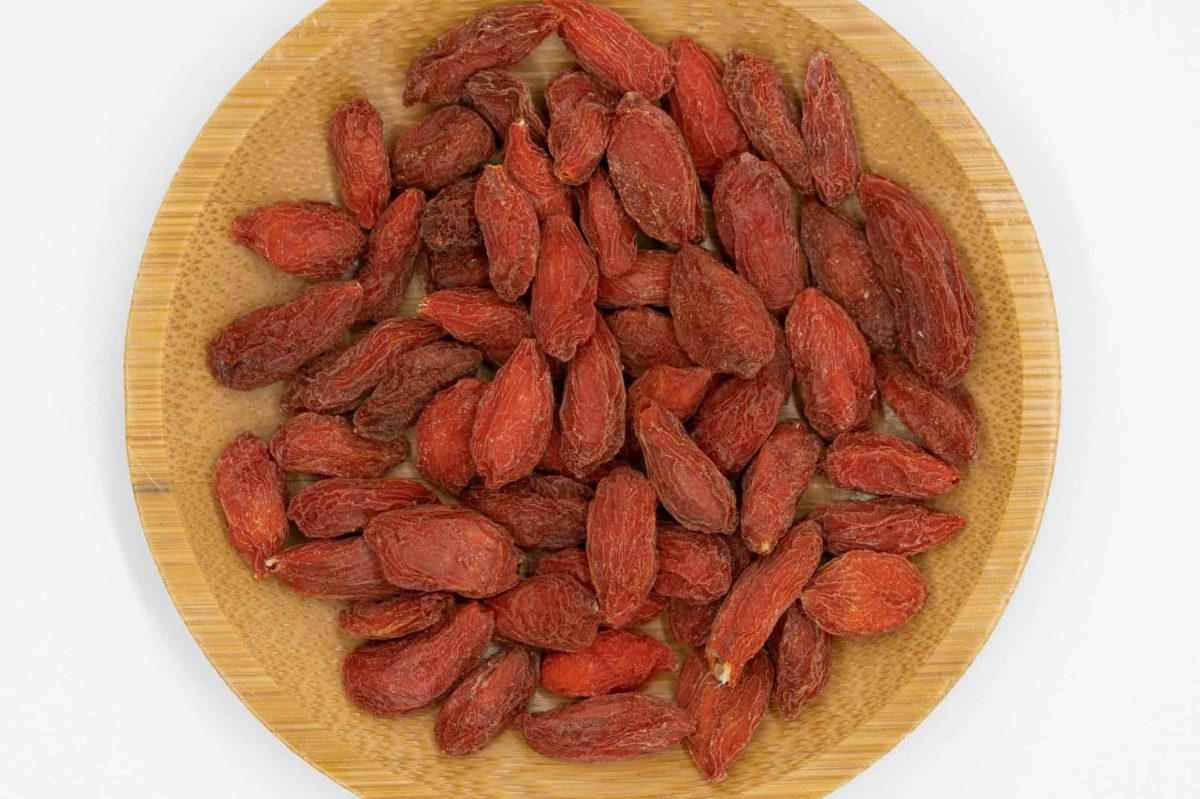
Goji berry (wolfberry) is one of the gentlest herbs on this list and one of the few genuinely used as a food as much as a medicine. In Chinese medicine it nourishes Kidney and Liver Yin and is classically described as tonifying “essence” (精, jīng) – the substance underlying reproductive health and long-term vitality.
Animal research on Lycium barbarum polysaccharide (LBP), the goji berry’s main active compound, has been fairly consistent: studies in male rats found LBP improved copulatory performance and reproductive function, shortened erection and mount latency, regulated sex hormone secretion, and improved sperm quantity and quality. More recent human research has moved into clinical populations – a randomised trial in men with varicocele-related infertility found LBP supplementation associated with significant improvements in testosterone level and sperm count, motility, and morphology compared to control. It’s a promising direction, though this trial was in a specific fertility-affected population rather than the general public, so it doesn’t necessarily generalise to everyone. (If sperm quality or fertility is the main concern rather than libido itself, it’s worth reading about how Chinese herbal medicine approaches fertility and IVF support more broadly.)
7. Tribulus – Cì Jí Lí (刺蒺藜)
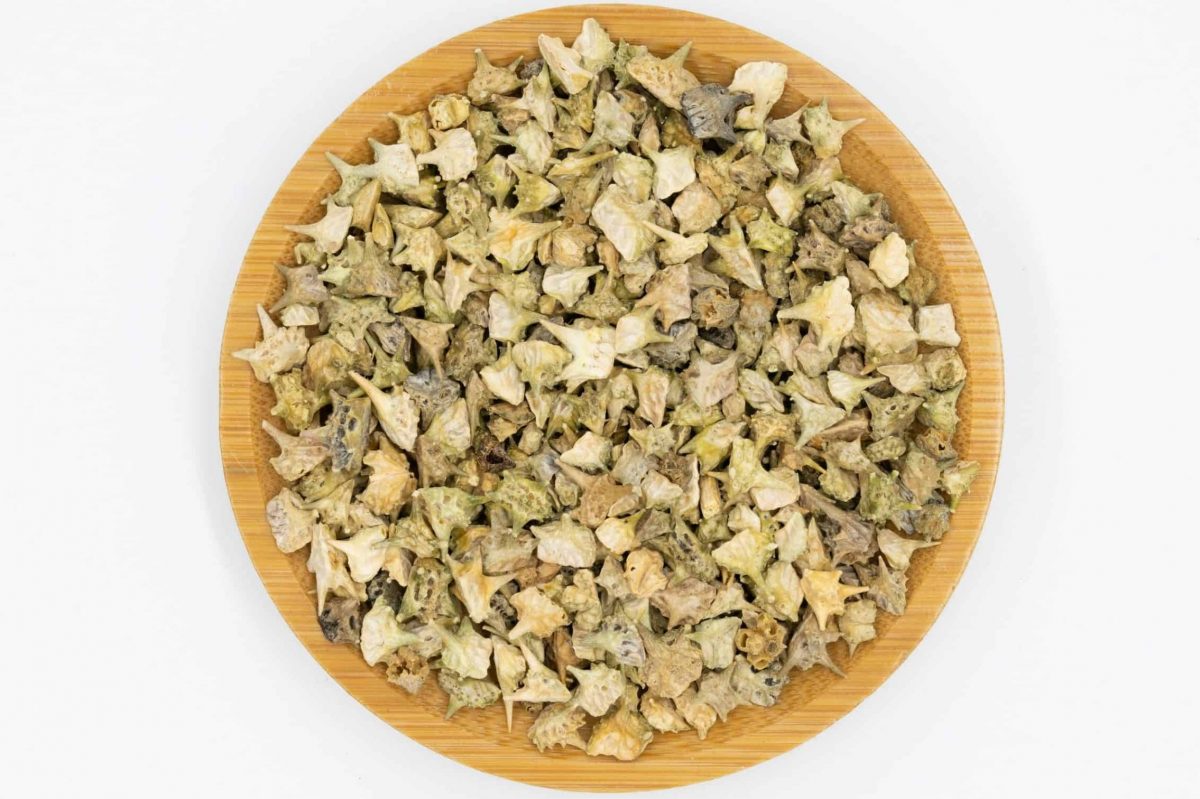
Tribulus terrestris (puncture vine) is used in Chinese medicine primarily as a Liver herb – traditionally for headaches, irritability, and itchy skin conditions, with a secondary reputation (and much broader use in Western and Ayurvedic herbalism) as a libido and vitality tonic.
Tribulus is one of the more heavily trialled herbs on this list, and the picture that emerges is mixed but not negative. A 2025 systematic review of nine clinical trials and one uncontrolled study in men found that Tribulus supplementation improved erectile dysfunction in three of the five studies that assessed it, though most studies did not show significant changes in testosterone, particularly in men who didn’t have low androgen levels to begin with – suggesting it may do more for erectile function directly than for hormone levels. For women, a systematic review of five RCTs found that women given Tribulus for one to three months showed a significant increase in sexual function scores, though the review rated the overall certainty of evidence as very low and called for more research. Individual trials have reported improvements in desire, arousal, and satisfaction in women with hypoactive sexual desire disorder.
Taken together, Tribulus has a reasonable amount of clinical trial support for a herb in this category – more than most on this list – but the trial quality is inconsistent enough that I’d still describe the evidence as promising rather than settled.
8. Fenugreek – Hú Lu Bā (葫芦巴)
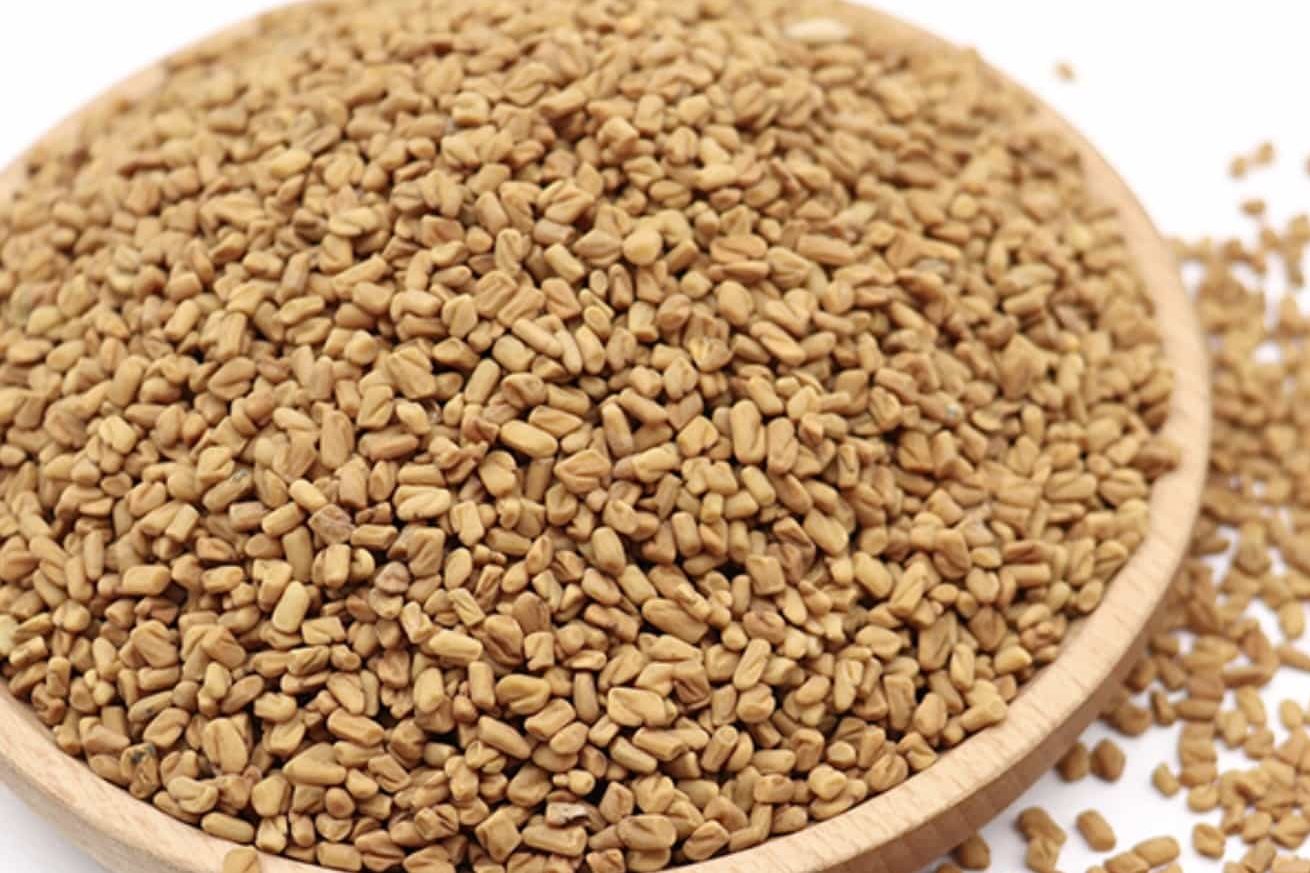
Fenugreek isn’t native to China, but it’s been part of the Chinese pharmacopoeia for centuries under the name Hu Lu Ba, classified as a Kidney Yang tonic used mainly for cold-type lower abdominal and testicular pain. It’s this Kidney-tonifying reputation, more than a specific sexual indication, that led practitioners to it historically – but it’s become one of the more actively researched herbs for male hormonal health in the last decade.
Several placebo-controlled human trials have looked specifically at fenugreek extract and testosterone or libido outcomes. A 12-week randomised trial of 95 men aged 40-80 found that saliva testosterone increased significantly more with fenugreek extract than with placebo, with the highest dose producing a 19.6% increase, although the effect on blood plasma testosterone didn’t reach statistical significance versus placebo. A separate open-label study of a different fenugreek extract in 50 men over 12 weeks reported improvements in testosterone levels, sperm profile, and self-reported libido and sexual health, alongside favourable changes in cholesterol markers – though without a placebo arm, this study can’t rule out a placebo effect on its own. In women, a randomised trial of a fenugreek extract over two menstrual cycles reported improvements on validated sexual function measures compared to placebo.
Fenugreek is a good example of a herb where the modern research is arguably ahead of its traditional Chinese medicine reputation – it’s been folded into the Kidney Yang tonic category, but most of its recent evidence base comes from Western andrology research rather than TCM clinical trials.
Why Chinese Medicine Rarely Prescribes Just One Herb
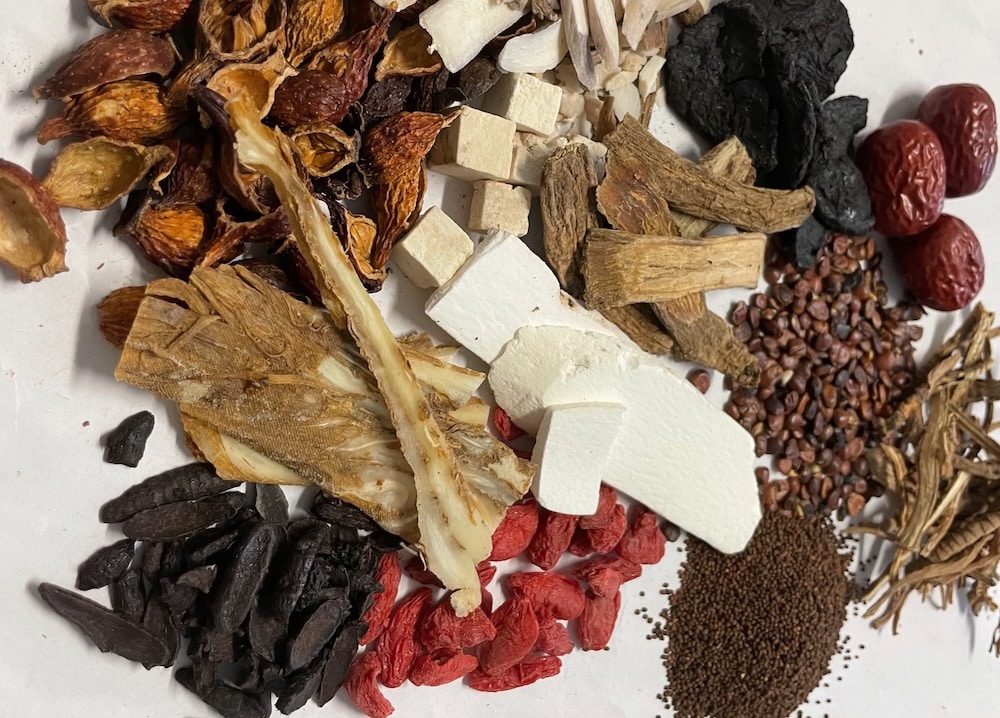
Chinese herbal formula for fertility
I want to flag something important: everything above describes single herbs studied in isolation, but that’s not really how Chinese herbal medicine works in practice. In the clinic, herbs like these are almost always combined into a formula, and which herbs go into that formula depends on your individual pattern – whether your presentation looks more like Yang deficiency (cold, fatigue, low drive) or Yin deficiency (restlessness, night sweats, a “wired but tired” feeling), and what else is going on for you physically and emotionally.
This is also why I’d be cautious about anyone reaching for a single herb off a supplement shelf and expecting a specific result. The traditional use of these herbs, and the way the research is designed, both assume a level of individualisation that a generic capsule can’t replicate.
Safety Considerations
A few things worth being aware of before considering any of these herbs:
Medication interactions. Epimedium’s proposed PDE5-inhibiting mechanism means it shouldn’t be combined with erectile dysfunction medications or nitrate medications without medical guidance. Several of these herbs also affect liver enzymes involved in drug metabolism.
Hormone-sensitive conditions. Because a number of these herbs (Epimedium, Cistanche, Cordyceps, Ginseng, Goji, Tribulus, fenugreek) are thought to influence hormone levels, they warrant extra caution in anyone with a hormone-sensitive condition, or who is pregnant or breastfeeding.
Quality and sourcing matter. Raw herb quality, processing method, and dosage vary enormously between products, which is part of why clinical results in the research are so inconsistent.
This isn’t a substitute for medical assessment. Persistent low libido or erectile difficulty can have cardiovascular, hormonal, psychological, or medication-related causes that deserve proper investigation, not just herbal management.
A Note From Dr. Zeng
Questions about libido and sexual function are some of the most common (and most under-discussed) reasons patients come to see me. There’s often a story underneath the symptom: chronic stress, poor sleep, a period of illness or overwork, or simply getting older. Herbal medicine can be a genuinely useful part of addressing that, but it works best as part of a proper diagnosis and a tailored formula, not as a single ingredient picked off a list.
If this is something you’re navigating, I’d encourage you to come in for a consultation rather than self-treating – we can talk through what’s actually going on and build a plan around it, at either our Coburg or Ringwood clinic. And if libido or sexual function has come up alongside trying to conceive, it’s worth having a look at our pages on fertility acupuncture, natural fertility acupuncture, and IVF acupuncture support, since a lot of the same Kidney-tonifying herbs and principles apply.
Frequently Asked Questions
Are these herbs safe to take together?
Not necessarily. Several of these herbs affect similar pathways (hormone levels, liver enzymes, blood flow), and combining them without guidance can increase the risk of side effects or interactions with medications. A practitioner can advise on safe, appropriate combinations for your situation.
How long does it take to notice an effect?
Traditionally, Chinese herbal tonics are taken over weeks to months rather than as a one-off dose – they’re framed as building underlying vitality rather than providing an immediate effect. The clinical trials referenced above generally ran from several weeks to a few months.
Can women use these herbs too?
Yes – several of the herbs above (Epimedium, Cistanche, Goji berry, Schisandra, Tribulus, fenugreek) are traditionally used for both men and women, and some of the more recent clinical trial research (including for Tribulus and fenugreek in women, and ginseng in menopausal sexual function) has focused specifically on women. The appropriate formula still depends on individual presentation.
Do I need a diagnosis before trying Chinese herbal medicine for this?
I’d strongly recommend it. Low libido and sexual difficulty can stem from a wide range of causes, and a proper intake helps identify which pattern (or combination of patterns) you’re dealing with, as well as ruling out anything that needs separate medical attention.
References
- Chiu JH, Chen KK, Chien TM. Epimedium brevicornum Maxim extract relaxes rabbit corpus cavernosum through multitargets on nitric oxide/cyclic guanosine monophosphate signaling pathway. Int J Impot Res. 2006 Jan.
- Epimedium extract [Internet]. In: ScienceDirect Topics. Amsterdam: Elsevier; [cited 2026 Aug 18]. Available from: https://www.sciencedirect.com/topics/pharmacology-toxicology-and-pharmaceutical-science/epimedium-extract
- Niu R, et al. Deciphering the myth of icariin and synthetic derivatives in improving erectile function from a molecular biology perspective: a narrative review. Transl Androl Urol. 2022 Jun 23. Available from: https://tau.amegroups.org/article/view/97001/html
- Chemical composition, pharmacological effects, and parasitic mechanisms of Cistanche deserticola: an update [Internet]. ScienceDirect; 2024 Jun 7 [cited 2026 Aug 18]. Available from: https://www.sciencedirect.com/science/article/pii/S0944711324004665
- Functional study of Cordyceps sinensis and cordycepin in male reproduction: a review [Internet]. ScienceDirect; 2016 Dec 8 [cited 2026 Aug 18]. Available from: https://www.sciencedirect.com/science/article/pii/S102194981630182X
- Singh M, Tulsawani R, Koganti P, Chauhan A, Manickam M, Misra K, et al. Cannabigerol (CBG) products and methods of use [patent document]. Washington (DC): US Patent and Trademark Office. Available from: https://image-ppubs.uspto.gov/dirsearch-public/print/downloadPdf/12274727
- Korean red ginseng may aid in erectile dysfunction, but better quality trials are needed [Internet]. Austin (TX): American Botanical Council, HerbalGram HerbClip; [cited 2026 Aug 18]. Available from: https://www.herbalgram.org/resources/herbclip/issues/2008/bin_364/review100581-364/
- Schisandra chinensis 五味子 (Wuweizi, Chinese Magnoliavine) [Internet]. ResearchGate; 2015 May 17 [cited 2026 Aug 18]. Available from: https://www.researchgate.net/publication/300631660
- GojiMax – recent studies [Internet]. London: Chemist Direct; [cited 2026 Aug 18]. Available from: https://www.chemistdirect.co.uk/gojimax-recent-studies
- The effects of Lycium barbarum polysaccharide on oxidative stress and sperm health in varicocele patients: a randomized clinical trial [Internet]. ScienceDirect; 2025 Sep 25 [cited 2026 Aug 18]. Available from: https://www.sciencedirect.com/science/article/abs/pii/S0040816625004422
- de Oliveira Vilar Neto J, de Moraes WMAM, Pinto DV, da Silva CA, Caminha JSR, Nunes Filho JCC, et al. Effects of Tribulus (Tribulus terrestris L.) supplementation on erectile dysfunction and testosterone levels in men — a systematic review of clinical trials. Nutrients. 2025;17(7):1275.
- Tribulus terrestris for female sexual dysfunction: a systematic review [Internet]. PMC; [cited 2026 Aug 18]. Available from: https://pmc.ncbi.nlm.nih.gov/articles/PMC10316844/
- Lee-Ødegård S, Gundersen TE, Drevon CA. Effect of a plant extract of fenugreek (Trigonella foenum-graecum) on testosterone in blood plasma and saliva in a double blind randomized controlled intervention study. PLoS One. 2024;19(9):e0310170.
- Sankhwar SN, Kumar P, Bagchi M, Rungta M, Bagchi D. Safety and efficacy of Furosap®, a patented Trigonella foenum-graecum seed extract, in boosting testosterone level, reproductive health and mood alleviation in male volunteers. J Am Nutr Assoc. 2023;42(1):27-35.