
Acupuncture for pelvic girdle pain during pregnancy
Easing Pelvic Girdle Pain (PGP) on Your Pregnancy Journey
Pregnancy is a beautiful, transformative time, but the discomfort of pelvic pain can make it feel overwhelming. If you’re experiencing a deep ache, sharp pains, or instability in your pelvis, you might be dealing with a specific condition known as Pelvic Girdle Pain (PGP). Please know that this is common – and more importantly, that you don’t have to just endure it.
At Almond Wellness Centre, we provide a natural gentle way to relieve pregnancy discomfort with acupuncture, helping you focus on the joy of expecting.
Ready to find comfort?
Book Online Today or call us at 03 8802 1519 to discover how we can help.
Understanding Pelvic Girdle Pain (PGP)
This specific type of discomfort is very common and occurs due to a perfect storm of physical changes:
-
Hormonal Changes: Your body releases hormones like relaxin, which loosens the ligaments and joints in your pelvis to prepare for birth. This can lead to instability and pain.
-
Increased Pressure: As your baby grows, the added weight and pressure on your pelvic structures can cause significant strain.
-
Postural Changes: Your changing centre of gravity alters your posture, often placing extra strain on your pelvic girdle.
PGP isn’t just a simple ache; it can cause very distinct symptoms, including:
-
Pain deep in the public area, lower back, hips, and groin.
-
Discomfort that worsens with specific activities like walking, climbing stairs, or standing on one leg.
-
A feeling of grinding or clicking in the pelvic area.
-
Pain that can radiate down the thighs.
A Soothing Approach to Pelvic Pain with Acupuncture
Acupuncture is a cornerstone of Traditional Chinese Medicine that has been supporting women’s health for thousands of years. It offers a natural way to manage pain without medications, making it an ideal choice during pregnancy.
We understand that your well-being is paramount. Our fully qualified practitioners are experienced in providing safe and comfortable treatments for expectant mothers.
How Acupuncture Eases Your PGP Discomfort
Acupuncture works holistically to address both the pain and the underlying instability:
-
Promoting Stability: By encouraging better muscle function and circulation around the joints, acupuncture can help your body compensate for the looser ligaments, creating a more stable pelvic girdle.
-
Reducing Inflammation: It helps decrease the inflammatory response that contributes to pain and swelling in the stressed joints and muscles.
-
Calming the Nervous System: It encourages the release of your body’s own “feel-good” chemicals, like endorphins, which are natural pain relievers.
-
Restoring Energetic Balance: From a TCM perspective, we work to correct imbalances in your body’s energy (Qi) that may be contributing to the pain and instability, supporting your overall well-being.
Backed by Research, Guided by Care
You can feel confident in choosing acupuncture. Modern research supports its use for pelvic pain:
-
A 2022 meta-analysis found that acupuncture significantly reduced pain levels for individuals suffering from chronic pelvic pain.
-
Another 2023 study concluded that acupuncture not only reduced pain but also improved the overall quality of life for patients.
What to Expect in Your Session
Your comfort and safety are our top priorities. We will begin with a thorough conversation to understand your specific experience of PGP and your overall health.
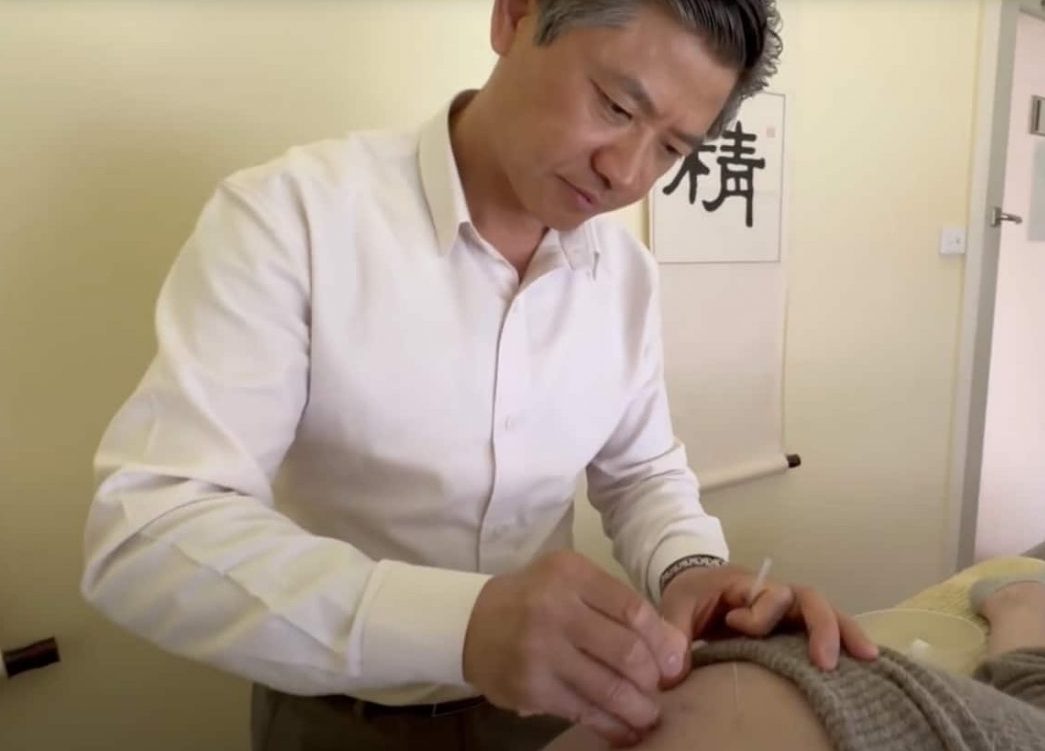
You will lie comfortably (most often on your side, especially in later pregnancy) while we gently place fine, sterile, single-use needles into specific acupuncture points. Most women find the process incredibly relaxing and may even doze off!
We may also incorporate other gentle techniques to enhance your relief, such as:
-
Electro-acupuncture: A very mild, therapeutic current applied to the needles to soothe deep muscular tension.
-
Remedial Massage: Gentle techniques to release tight muscles in the hips, glutes, and lower back that are overworking to stabilise the pelvis.
-
Cupping Therapy: To improve circulation and ease muscle stiffness in non-abdominal areas.
Your Questions Answered
Q: Is acupuncture safe during pregnancy?]
A: Yes, absolutely. When performed by a registered and experienced practitioner like ours, acupuncture is a very safe and well-established therapy for pregnancy-related conditions. We use specific, well-researched points that are safe for both mother and baby.
Q: What are the side effects?
A: Side effects are typically very mild and may include slight tenderness or minor bruising at the needle site. Some women feel deeply relaxed or slightly lightheaded afterwards. Serious side effects are extremely rare when you choose a qualified professional.
Q: How many sessions will I need for PGP?
A: It varies depending on the severity of your instability and pain. Some women feel significant relief after just one or two sessions, while others with more chronic pain may benefit from a weekly course of treatment. We will create a personalised plan with you and always work at a pace that feels right.
Q: What is the cost, and can I use my health insurance?
A: A standard acupuncture session is $105*. We are a registered provider with most major Australian private health funds. Many of our patients receive a rebate for our services—we recommend checking with your insurer about your specific cover for acupuncture.
You Deserve to Feel Supported
We believe you should be able to enjoy your pregnancy journey. Our clinics in Coburg and Ringwood are warm, welcoming spaces where you will be listened to and cared for.
Let us help you find the relief you need to embrace this special time.
Call us at 03 8802 1519 or book online. We’re here to help.
References:
- Pan, J., Jin, S., Xie, Q., Wang, Y., Wu, Z., Sun, J., Guo, T. P., & Zhang, D. (2023). Acupuncture for Chronic Prostatitis or Chronic Pelvic Pain Syndrome: An Updated Systematic Review and Meta-Analysis. Evidence-Based Complementary and Alternative Medicine.
- Lin, K. Y., Chang, Y. C., Lu, W. C., Kotha, P., Chen, Y. H., & Tu, C. H. (2022). Analgesic Efficacy of Acupuncture on Chronic Pelvic Pain: A Systemic Review and Meta-Analysis Study. Journal of Pain Research. https://www.ncbi.nlm.nih.gov/pmc/articles/PMC10048458/
- Zhao, Z. Q. (2008). Neural mechanisms underlying acupuncture analgesia. Progress in Neurobiology, 85(4), 355-375.
- Han, J. S. (2004). Acupuncture and endorphins. Neuroscience Letters, 361(1-3), 258-261.