Nourish Yang in Spring and Summer, Nourish Yin in Autumn and Winter
Author: Dr. Richard Zeng (C.M.)
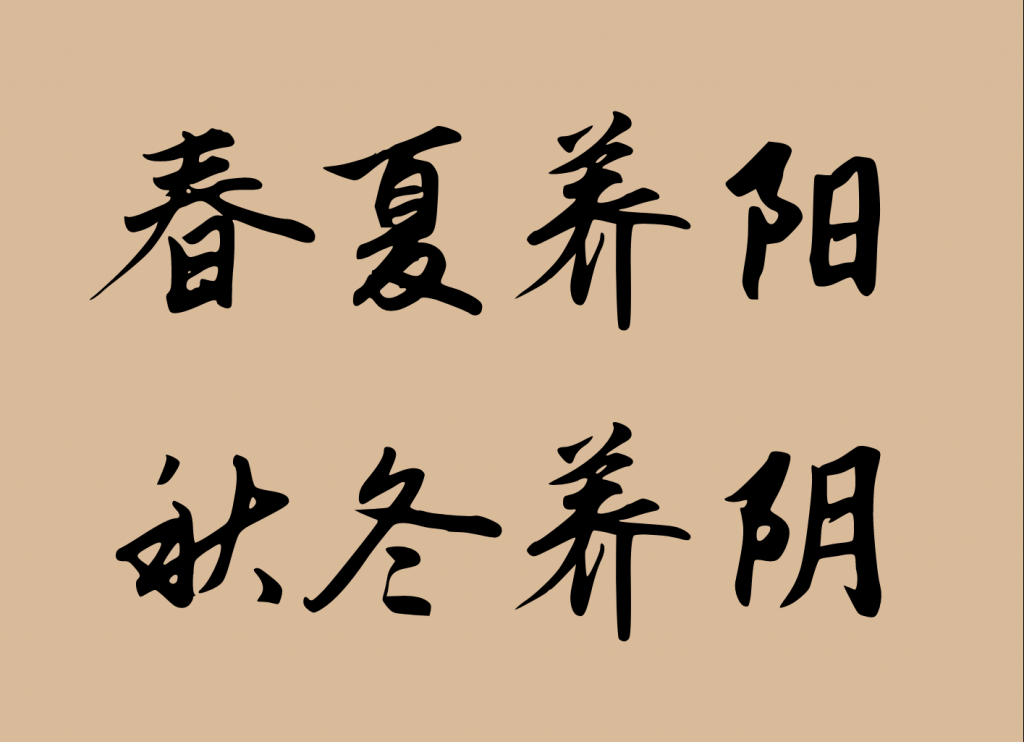
Nourish yang in spring and summer, nourish yin in autumn and winter
“春夏养阳,秋冬养阴” is a proverb in traditional Chinese medicine that describes the principles of health preservation throughout the four seasons. It means that in the spring and summer, one should focus on nourishing yang energy, while in the autumn and winter, the emphasis should be on nourishing yin energy.
In traditional Chinese medicine, yin and yang are relative concepts that represent the opposing and interdependent forces in the universe. Yang is associated with activity, warmth, expansion, and upward movement, while yin is associated with stillness, coldness, contraction, and downward movement.
Nourishing Yang in Spring and Summer
During the spring and summer seasons, yang energy is abundant in nature, with vibrant growth and ample sunlight. To align with the season and climate, individuals should focus on nurturing their yang energy. This can be achieved through appropriate exercise, consuming light and easily digestible foods, and getting plenty of sunlight. The goal is to adapt to the seasonal characteristics and promote the generation and circulation of yang energy in the body.
Why “Nourish Yang” in Spring and Summer?
“春夏养阳” emphasises the importance of nurturing yang energy during the spring and summer seasons. Despite the warm and hot weather during this time, the principle is based on several considerations:
Abundance of yang energy in nature
The spring and summer seasons are when yang energy is abundant in the natural world. Yang represents activity, warmth, and upward movement. During this time, the earth is teeming with life, everything is growing, and there is ample sunshine. It is easier for the human body to absorb sunlight and the yang energy present in the environment.
Adaptation to seasonal characteristics
The climate in spring and summer is warm and humid, with a relatively abundant yang energy. The human body should adapt to the changes in climate. The purpose of nourishing yang during this period is to adapt to the seasonal characteristics and promote the generation and circulation of yang energy in the body.
Preventing damage to yang energy
Despite the warm weather in spring and summer, excessive consumption of raw and cold foods, excessive fatigue, and prolonged exposure to sunlight can all damage yang energy. Therefore, nourishing yang during this time also means being mindful of avoiding factors that can harm yang energy.
Ways to nourish yang in spring and summer
Methods of nourishing yang during spring and summer may include appropriate sun exposure, engaging in suitable aerobic exercises, practicing tai chi or qigong, promoting blood circulation, and enhancing physical strength. It also involves avoiding excessively cold foods. These practices can help protect and strengthen the body’s vitality and yang energy, improve resistance, and promote balance and health.
Nourishing Yin in Autumn and Winter
During the autumn and winter seasons, yang energy declines, and yin energy becomes predominant in nature. At this time, it is important to focus on nourishing yin energy to maintain balance. This may involve prioritising rest and ensuring sufficient sleep, consuming nourishing and moistening foods, avoiding excessively hot indoor environments, and refraining from consuming spicy and drying foods. These practices help nourish and protect yin energy, adapting to the seasonal demands.
Why “Nourish Yin” in Autumn and Winter?
Although the autumn and winter seasons are characterised by cool and cold weather, traditional Chinese medicine emphasises the concept of “秋冬养阴” (nourishing yin) during this time. This principle is based on several considerations:
Abundance of yin energy in nature
The autumn and winter seasons are when yin energy relatively prevails in the natural world. “秋收冬藏” (autumn harvest and winter storage) reflects the accumulation of yin energy. Yin represents coldness, contraction, stillness, and conservation. During this time, sunlight diminishes, and the weather becomes colder. The earth enters a dormant state, and yin energy starts to accumulate.
Adaptation to seasonal characteristics
The human body should align with the seasonal changes and adapt to the cold and dry climate of the autumn and winter seasons. Yin energy is relatively abundant during this time. Nourishing yin aims to adapt to these seasonal characteristics, protecting and nourishing the yin energy within the body.
Preventing damage to yin energy
Despite the cold weather, excessive exposure to overheated or excessively dry indoor environments, excessive fatigue, and consuming spicy and drying foods can all damage yin energy. Therefore, nourishing yin during autumn and winter also means being mindful of avoiding factors that can harm yin energy.
Way to nourish Yin in autumn and winter
During autumn and winter, it is advisable to avoid excessive consumption of spicy and drying foods, particularly for individuals who already exhibit signs of yin deficiency. Instead, choose nourishing and moistening foods such as pears, radishes, black beans, black sesame seeds, walnuts, and glutinous rice. It is also important to maintain an appropriate indoor temperature, avoid excessive heat or dryness, stay hydrated, and ensure adequate rest and sleep. These practices of “秋冬养阴” can help protect and nourish yin fluids, maintain balance, and promote overall health.
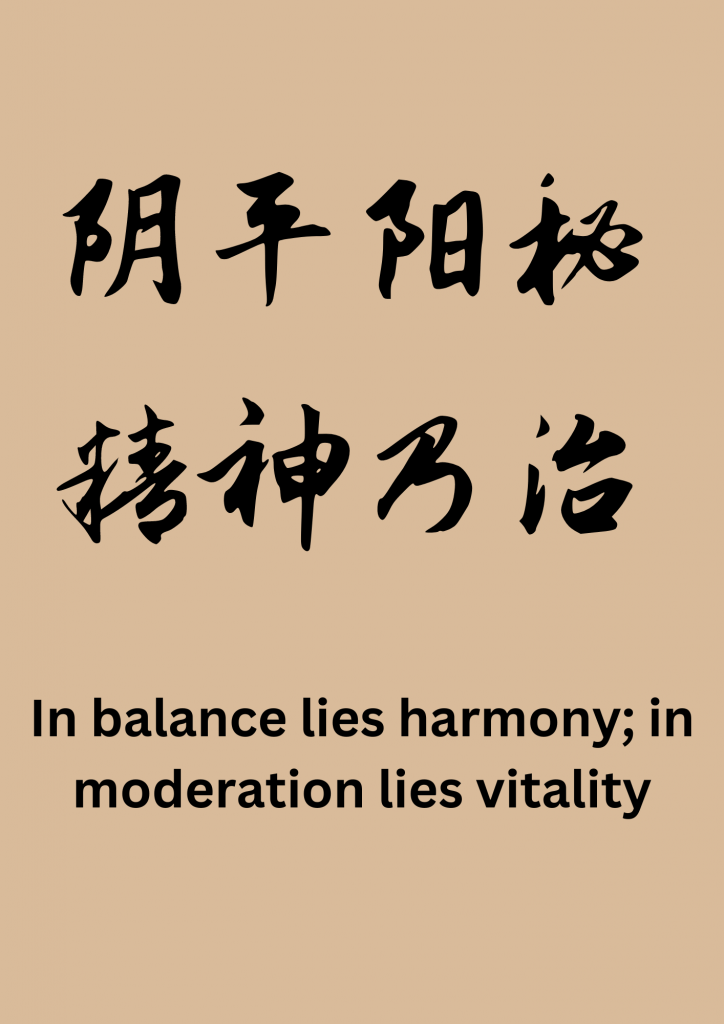
In balance lies harmony; in moderation lies vitality
The principle of “春夏养阳,秋冬养阴” is derived from observations and understanding of seasons and climate in traditional Chinese medicine. By following this principle, individuals can adjust their diet, lifestyle habits, and wellness practices to adapt to seasonal changes and promote a balance of yin and yang energies in the body. This ultimately aims to achieve a state of well-being where harmony is maintained, and vitality is preserved, as reflected in the phrase “阴平阳秘,精神乃治 ~In balance lies harmony; in moderation lies vitality.”