Quick Navigation
Dr. Richard Zeng Acupuncturist Melbourne, Doctor of Chinese Medicine
One of the first questions I ask women who are trying to conceive is:
“Have you had your Vitamin D levels checked recently?”
The answer is often something like:
“I thought Vitamin D was only important for bones.”
That used to be the general view. But today, we know Vitamin D plays a much bigger role in overall health – including fertility.
In recent years, Vitamin D has become one of the most studied nutrients in reproductive medicine. A large 2025 systematic review and dose-response meta-analysis of more than 15,000 women provides some of the strongest evidence yet that Vitamin D status may influence fertility outcomes.¹
So what does this actually mean if you’re trying to get pregnant?
Why Vitamin D Matters for Fertility
Vitamin D is often called a vitamin, but it actually acts more like a hormone in the body.
Researchers have found Vitamin D receptors throughout the female reproductive system, including the ovaries, uterus, and endometrium (the uterine lining). This suggests that Vitamin D may influence several key aspects of fertility.
Ovarian Function
Vitamin D appears to help regulate hormones involved in egg development and ovarian reserve, including Anti-Müllerian Hormone (AMH) and Follicle Stimulating Hormone (FSH).
These hormones play important roles in egg quantity and quality.
Endometrial Receptivity
For pregnancy to occur, an embryo must successfully implant into the uterine lining.
Vitamin D helps regulate genes involved in endometrial receptivity, including HOXA10, which supports implantation and early pregnancy development.
Protection of Developing Eggs
Vitamin D has also been found in follicular fluid, the fluid surrounding developing eggs inside the ovary.
Research suggests it may help reduce oxidative stress, which can negatively affect egg quality.
This doesn’t mean Vitamin D is a miracle fertility treatment. However, it does suggest that low levels could potentially make conception more difficult.
What the Research Found
Earlier studies on Vitamin D and fertility were mixed. Some showed benefits, others showed no clear link.
This 2025 meta-analysis is important because it combined a large number of studies and examined dose-response effects — not just whether Vitamin D matters, but how much is enough.¹
Low Vitamin D = Lower Pregnancy Rates
Women with levels below 20 ng/mL had significantly lower clinical pregnancy rates compared with those above this level.
Higher Levels = Better Live Birth Rates
Women with Vitamin D levels ≥30 ng/mL had higher live birth rates compared to those who were deficient or insufficient.
A Possible Threshold Around 24 ng/mL (60 nmol/L)
Outcomes tended to become less favourable when Vitamin D dropped below ~24 ng/mL.
Above this level, results appeared more stable and generally improved with higher Vitamin D levels.
What Should You Do?
A simple blood test (25(OH)D) will tell you your status.
This is especially important if you:
- Common
- Easy to test
- Simple to correct
So it’s a very reasonable part of preconception care.
1. Get Your Levels Checked
A simple blood test measuring serum 25(OH)D can tell you whether your Vitamin D levels are adequate.
Testing is particularly important if you:
- Spend most of your time indoors
- Live in southern Australia, especially during winter
- Have darker skin
- Carry excess body weight
- Regularly use sun protection
2. Know Your Target
Based on current evidence:
- Minimum: ~24 ng/mL (60 nmol/L)
- Optimal range: ≥30 ng/mL (75 nmol/L)
3. Supplement If Necessary
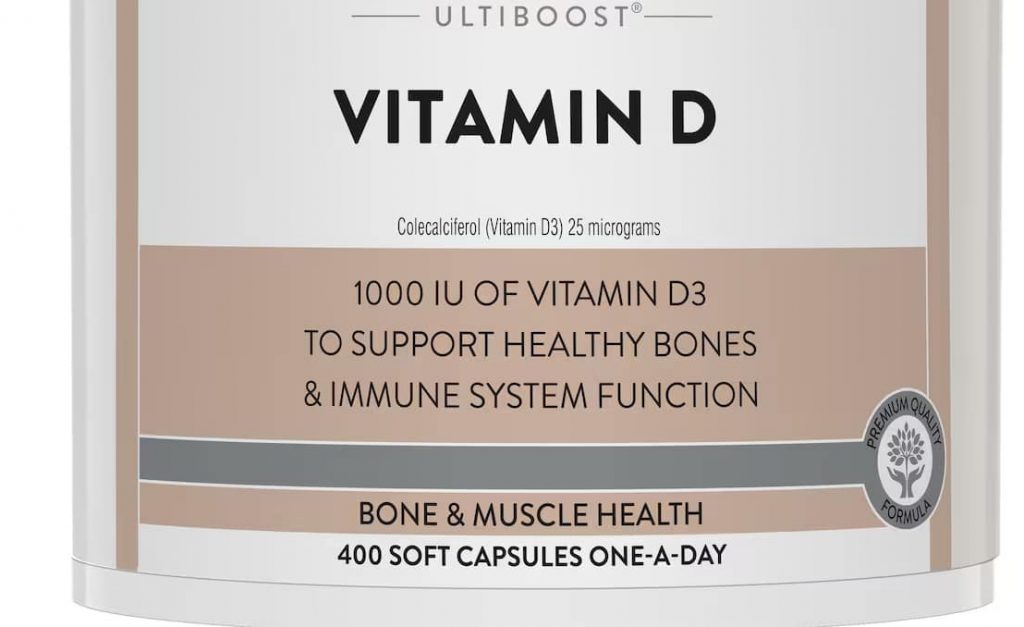
If levels are low, Vitamin D3 (cholecalciferol) is usually recommended.
Typical maintenance doses range:
- 2,000–4,000 IU daily
Higher doses may be needed if deficiency is significant (under supervision).
Recheck levels after 8–12 weeks.
4. Don’t Depend on Sunshine Alone

Living in Melbourne makes consistent Vitamin D from sunlight difficult for many people – especially those working indoors.
Diet (oily fish, eggs, fortified foods) helps, but is rarely enough to correct deficiency alone.
The Bigger Picture
Vitamin D is just one piece of the fertility puzzle.
It will not overcome:
- Poor egg quality
- Blocked tubes
- Endometriosis
- Male factor infertility
But it may help remove one small, modifiable barrier.
How Traditional Chinese Medicine Fits In
At Almond Wellness Centre, we combine both modern reproductive science and Traditional Chinese Medicine (TCM).
Alongside nutritional and blood test insights like Vitamin D, acupuncture and herbal medicine may support:
- Menstrual regularity
- Ovarian function
- Uterine blood flow
- Stress regulation
- IVF preparation
Together, this can help create a more supportive environment for conception.
Need Help Preparing for Pregnancy?
If you’re trying to conceive naturally or preparing for IVF, Vitamin D is one of the simplest and most useful markers to check early.
If you’d like personalised guidance on fertility, IVF support, acupuncture, or Chinese medicine, you’re welcome to book a consultation.
More to Read
Could Low Vitamin D in Pregnancy Increase the Risk of Autism or ADHD?
References
- Xu C, An X, Tang X, Yang Y, Deng Q, Kong Q, et al. Association between vitamin D level and clinical outcomes of assisted reproductive treatment: a systematic review and dose-response meta-analysis. Reprod Sci. 2025;32(5):1446-1458. doi:10.1007/s43032-024-01578-9.
About Author
Dr Richard Zeng is the Clinical Director of Almond Wellness Centre and a fourth-generation Traditional Chinese Medicine practitioner with clinics in Coburg and Ringwood, Melbourne.