Author: Dr Richard Zeng, Registered Chinese Medicine Practitioner and Acupuncturist
Quick Navigation
Understanding the Bigger Picture of Menstrual Health
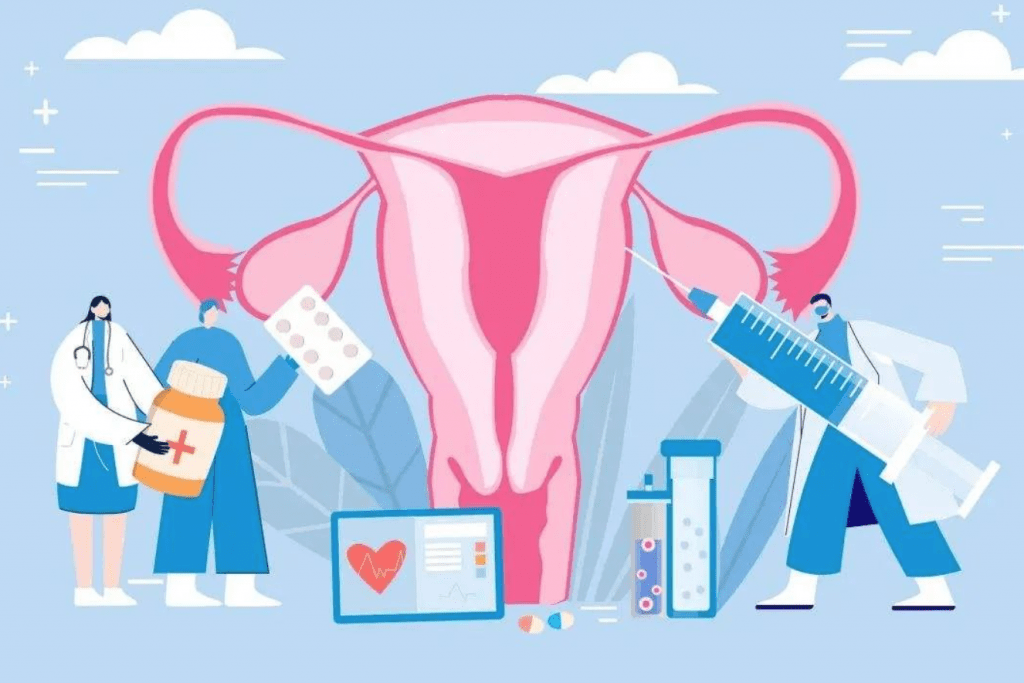 For many years, period pain, irregular cycles and premenstrual symptoms were treated as things women simply had to put up with. Some women delayed seeking help because they assumed their symptoms were normal, while others struggled to have their concerns taken seriously.
That conversation is changing.
Cycle health is becoming a more prominent part of women’s healthcare because we are paying greater attention to what menstrual patterns can tell us about reproductive health, recognising symptoms earlier and taking women’s experiences more seriously.
For women and other people who menstruate, understanding the menstrual cycle can be useful at different stages of life, whether the goal is to manage period pain, investigate irregular menstruation, plan a pregnancy or navigate the transition towards menopause.
In my clinical practice, I see menstrual health as more than a question of whether a period arrives on time. The pattern of bleeding, associated symptoms, changes over time and the effect on everyday life all deserve consideration.
Understanding your cycle does not mean worrying about every variation. It means recognising your usual pattern, knowing when a change deserves attention and seeking appropriate support when needed.
Why Is Cycle Health Receiving More Attention Now?
Several changes have helped bring menstrual health into wider public and clinical discussion.
1. Greater awareness of PCOS and endometriosis
Conditions such as polycystic ovary syndrome (PCOS) and endometriosis have received increasing attention from patients, healthcare professionals and advocacy groups.
Both conditions can affect quality of life, and their symptoms may be overlooked or attributed to ordinary menstrual discomfort. Australia’s National Action Plan for Endometriosis highlighted historical under-recognition, stigma and delays in diagnosis. More recent Australian research has also examined how the recognition and investigation of endometriosis have changed over time.
This growing awareness encourages women to ask questions about persistent symptoms rather than simply accepting them.
If you experience irregular periods alongside other possible PCOS symptoms, you can learn more in our guide to PCOS and Chinese medicine. A healthcare professional can help determine whether investigation is appropriate.
2. Less stigma around menstruation
Menstruation is increasingly discussed in schools, workplaces, healthcare settings and public conversations.
This matters because embarrassment and the belief that severe period pain is simply part of being a woman can prevent people from seeking help. More open conversations can make it easier to describe symptoms, ask questions and receive an appropriate assessment.
Period pain that repeatedly disrupts work, study, sleep or daily activities deserves attention, even if it has been present for years.
3. Cycle-tracking apps and wearable technology
Menstrual tracking apps and wearable devices have made it easier to record period dates, symptoms, sleep patterns and other observations.
A record over several cycles may help identify changes that are difficult to remember accurately during a medical appointment. For those trying to conceive, observations such as cervical mucus changes can also help with understanding the likely fertile window.
However, technology has limitations. App predictions are estimates, and a wearable device cannot independently diagnose PCOS, confirm every ovulation event or establish whether hormone levels are normal. Tracking information is best treated as a useful record rather than a medical diagnosis.
It is also worth considering the privacy of sensitive reproductive health data when choosing an app.
4. Growing research interest in menstrual and reproductive health
Research into menstrual disorders, fertility, endometriosis, PCOS and the effects of menstrual symptoms on everyday life continues to develop.
Greater attention to these areas helps identify gaps in diagnosis, treatment and access to care. It also encourages more careful evaluation of therapies, including conventional medical treatments and complementary approaches.
Importantly, increased research interest does not mean that every new product, app or treatment advertised for cycle health is effective. Individual claims still need to be assessed against the available evidence.
5. A more individualised approach to women’s health
There is growing recognition that menstrual symptoms should be understood in the context of a person’s age, reproductive stage, medical history, lifestyle and personal concerns.
A cycle that changes during adolescence may require a different interpretation from new irregularity in adulthood or bleeding after menopause. Similarly, a woman seeking help for period pain may need a different assessment from someone experiencing absent periods or difficulty conceiving.
The aim is not to make every cycle conform to the same pattern. It is to understand what is happening for the individual and identify when further assessment or support may be beneficial.
What Can Your Menstrual Cycle Tell You?
The menstrual cycle involves coordinated hormonal signals between the brain, pituitary gland and ovaries. These signals influence ovulation and changes in the uterine lining.
Paying attention to a few basic features can help you describe your cycle more clearly.
- Cycle length and regularity: Record the first day of each period and the interval between periods.
- Bleeding: Note how long bleeding lasts, whether it is unusually heavy and whether spotting occurs between periods.
- Period pain: Record the severity, location and duration of discomfort, including whether it interferes with everyday activities.
- Premenstrual symptoms: Observe changes in mood, energy, sleep, headaches or breast tenderness.
- Possible signs of ovulation: Cervical mucus changes may provide useful clues about the fertile window, although they cannot confirm ovulation by themselves.
- Changes over time: Consider whether symptoms have changed alongside medication, contraception, illness, significant stress or changes in exercise and nutrition.
A regular period does not guarantee that ovulation is occurring every cycle, and an irregular cycle does not automatically mean there is a serious condition. These observations provide context for a conversation with a healthcare professional; they do not replace medical assessment.
When Should You Seek Medical Advice?
Consider arranging an assessment if you experience:
- Adult menstrual cycles that repeatedly occur less than 21 days or more than 35 days apart.
- No period for around three months when pregnancy and other expected explanations have been excluded.
- Unusually heavy or prolonged bleeding.
- Severe, worsening or persistent pelvic pain.
- Bleeding between periods or after sexual intercourse.
- Difficulty conceiving or concerns about ovulation.
Teenage cycles can be more variable, particularly during the first years after menstruation begins, and intervals of up to around 45 days can occur. Persistent irregularity, a prolonged absence of periods or concerning symptoms should still be discussed with a healthcare professional.
Bleeding after menopause always warrants medical assessment. Seek urgent medical care for severe or sudden pelvic pain, very heavy bleeding with faintness or marked dizziness, or pain and bleeding when pregnancy is possible.
How Does Chinese Medicine View Menstrual Cycle Health?
In traditional Chinese medicine (TCM), menstruation is considered within the broader context of an individual’s health rather than as an isolated monthly event.
One important concept is 月经 (yuèjīng, menstruation). Traditional Chinese medicine considers the timing, duration, amount and characteristics of menstrual bleeding alongside other aspects of wellbeing.
Another concept is 气血 (qìxuè, Qi and Blood). In traditional theory, Qi and Blood are understood to have important roles in the body’s physiological functions and menstrual processes. Practitioners may use this framework when developing an individualised treatment approach.
These are traditional Chinese medicine concepts, not direct equivalents of measurable hormone levels or modern gynaecological diagnoses.
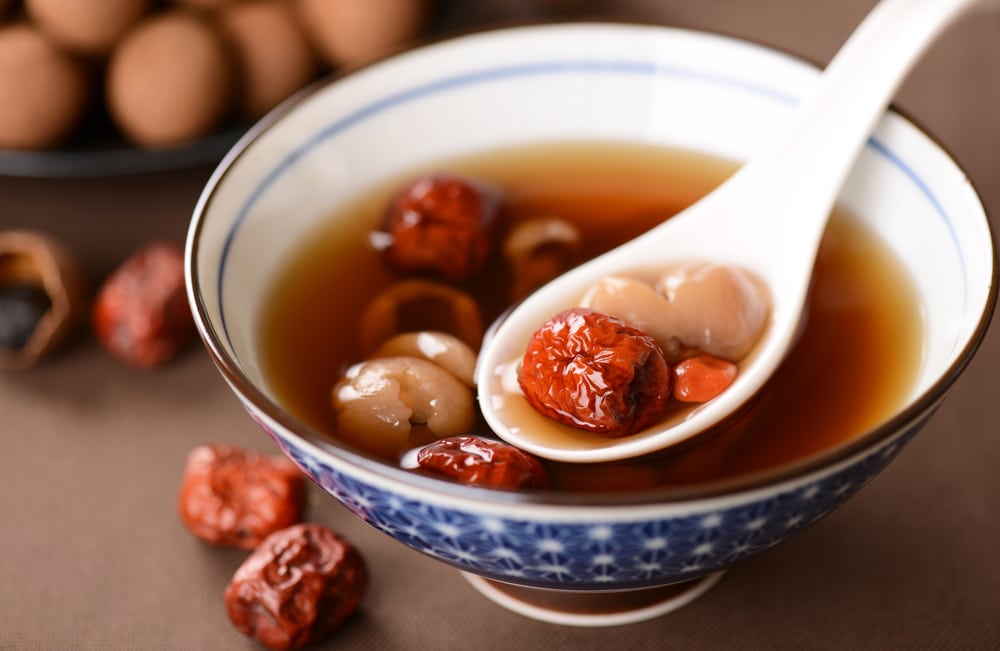
What do I consider during a TCM assessment?
In my clinical practice, I ask about more than the date of the last period.
I want to understand the person’s usual cycle pattern, the nature of any pain, bleeding characteristics, premenstrual symptoms, sleep, energy levels, stress and relevant medical history. Where appropriate, I also consider existing blood tests, imaging results, medication and advice from the patient’s GP or specialist.
Traditional Chinese medicine assessment may include observation of the tongue and examination of the pulse, alongside a detailed history. Within the TCM framework, these observations help inform the practitioner’s traditional pattern assessment. They cannot independently diagnose endometriosis, PCOS, thyroid disease or a hormonal disorder.
I also pay attention to whether symptoms are new, worsening or significantly affecting daily life. Those changes may warrant medical investigation rather than complementary treatment alone.
For me, an individualised approach means avoiding the assumption that every person with period pain or an irregular cycle needs the same treatment.
Can Acupuncture Help With Menstrual Symptoms?
Acupuncture is used by some people as a complementary approach to managing menstrual discomfort and other symptoms.
Research has investigated acupuncture for primary dysmenorrhoea, which refers to period pain without an identified underlying pelvic condition. However, the evidence is not definitive. A Cochrane systematic review that included 42 trials involving 4,640 participants concluded that the available evidence was insufficient to establish whether acupuncture or acupressure was effective for primary dysmenorrhoea, with low or very low certainty across the evidence base.
You can read the review here: Acupuncture for dysmenorrhoea – Cochrane.
This means acupuncture may be considered as a complementary option for some people, but it should not be presented as a proven treatment for every menstrual problem.
At Almond Wellness Centre, our acupuncture and Chinese medicine services in Melbourne, with clinics in Coburg and Ringwood, can be considered as part of an individualised approach to wellbeing and symptom management.
Depending on the person’s concerns, treatment discussions may include period discomfort, stress or other symptoms affecting quality of life. The potential benefits, limitations and suitability of acupuncture should be discussed honestly.
Acupuncture should not delay investigation of severe pain, abnormal bleeding, persistent cycle irregularity or possible underlying gynaecological conditions. It should also not be represented as a reliable way to regulate hormones or guarantee improved fertility outcomes.
If you would like to explore whether acupuncture is appropriate for your circumstances, you can learn more about our acupuncture treatment services or women’s health acupuncture.
Cycle Health and Fertility: Understanding the Connection
For women planning a pregnancy, menstrual cycle awareness can provide useful information about reproductive timing.
Tracking cycle length and cervical mucus may help identify the likely fertile window. However, these observations cannot establish egg quality, assess fallopian tube function or identify every cause of difficulty conceiving.
Persistent irregular periods or absent menstruation may indicate that ovulation is infrequent or not occurring, although assessment is needed to understand the cause. Fertility concerns can involve several factors, including ovulation, sperm health, the fallopian tubes and other reproductive or general health considerations.
I encourage patients with fertility concerns to seek appropriate medical assessment rather than relying on cycle tracking or complementary treatment alone.
Acupuncture and Chinese medicine may be considered alongside fertility care where appropriate, with realistic expectations and communication with the treating GP or fertility specialist.
For more information, visit our fertility acupuncture service page.
A Practical Way to Start Understanding Your Cycle
You do not need a complicated app or a detailed daily diary to begin. Start by recording a few observations for several cycles.
- Write down the first day of each period.
- Note how long bleeding lasts and whether it differs from your usual pattern.
- Record period pain and any symptoms that affect your daily activities.
- Note significant changes in sleep, stress, medication or exercise.
- Bring the information to your next healthcare appointment if you have concerns.
Tracking should help you understand your health, not make you anxious about every variation. If it becomes burdensome, a few simple notes are enough to start a useful conversation.
Taking a More Proactive Approach to Cycle Health
The growing focus on cycle health represents a welcome shift towards taking menstrual symptoms seriously, improving awareness and helping people make informed decisions about their care.
A healthy menstrual cycle does not have to follow an exact 28-day pattern. What matters is understanding your usual cycle, recognising meaningful changes and knowing when to seek help.
In my view, good women’s healthcare combines careful listening, appropriate medical assessment and individualised support. Traditional Chinese medicine and acupuncture may have a place within that broader approach, provided their role and limitations are clearly understood.
If menstrual pain, irregular periods or other women’s health concerns are affecting your quality of life, consider discussing them with your GP or another appropriately qualified healthcare professional.
At Almond Wellness Centre, we offer acupuncture and Chinese medicine consultations in Melbourne at our Coburg clinic and Ringwood clinic. You can also book an appointment online to discuss whether complementary care may suit your needs.
Frequently Asked Questions
What is cycle health?
Cycle health refers to the pattern of menstrual bleeding, cycle regularity, associated symptoms and changes over time. Understanding these features can help people recognise their usual patterns and identify concerns that may need medical assessment.
Is a 28-day menstrual cycle normal for everyone?
No. A 28-day cycle is a reference point, not a requirement. Adult menstrual cycles commonly vary, and teenage cycles can be longer and less predictable, particularly during the first years after menstruation begins.
Can stress affect my menstrual cycle?
Yes. Significant or prolonged stress can affect the hormonal signals involved in ovulation and menstruation. However, stress should not automatically be assumed to explain missed or irregular periods; persistent changes may require medical assessment.
Can acupuncture regulate my menstrual cycle?
Evidence varies by condition, and there is insufficient reliable evidence to conclude that acupuncture consistently regulates menstrual cycles or treats underlying hormonal and reproductive disorders. It may be considered as a complementary approach for selected symptoms, alongside appropriate medical care.
When should I see a doctor about my period?
Seek medical advice if your periods become persistently irregular, bleeding is unusually heavy or prolonged, pain disrupts everyday activities, bleeding occurs between periods or after sex, or you have fertility concerns. Severe or sudden symptoms may require urgent care.
Medical disclaimer: This article is for general educational purposes only and does not replace individual medical advice, diagnosis or treatment.
References
Smith CA, Armour M, Zhu X, et al. Acupuncture for dysmenorrhoea. Cochrane Database of Systematic Reviews. 2016;4. Read the review.
Australian Government Department of Health. National Action Plan for Endometriosis. Read the plan.
Australian Institute of Health and Welfare. Sexual and reproductive health: barriers to care for menstrual disorders and related conditions. Read the report appendix.
More to Read
Menstrual Cycle and Traditional Chinese Medicine
Amenorrhea Fertility and Chinese Medicine
Having two periods in one month? You may just have ovulation bleeding