If you’ve recently had an AMH blood test and found yourself staring at a number with no idea what to make of it, you’re not alone.
Every week in my clinic, I see women holding a pathology report with an AMH result that has set off a wave of anxiety – often without much explanation from whoever ordered the test. The number sits there looking definitive. It rarely comes with context.
So let me give you that context.
What is AMH?
AMH stands for Anti-Müllerian Hormone. It’s produced by small follicles in your ovaries – the tiny fluid-filled sacs that each contain an immature egg. The more follicles you have actively developing at any given time, the higher your AMH level will be.
In simple terms: AMH is a marker of your ovarian reserve – the pool of eggs remaining in your ovaries.
Unlike other fertility hormones such as FSH or oestradiol, AMH levels stay relatively stable across your menstrual cycle. You can have the test done on any day without timing it to a particular cycle phase. That consistency is one of the reasons it has become a widely used fertility screening tool.
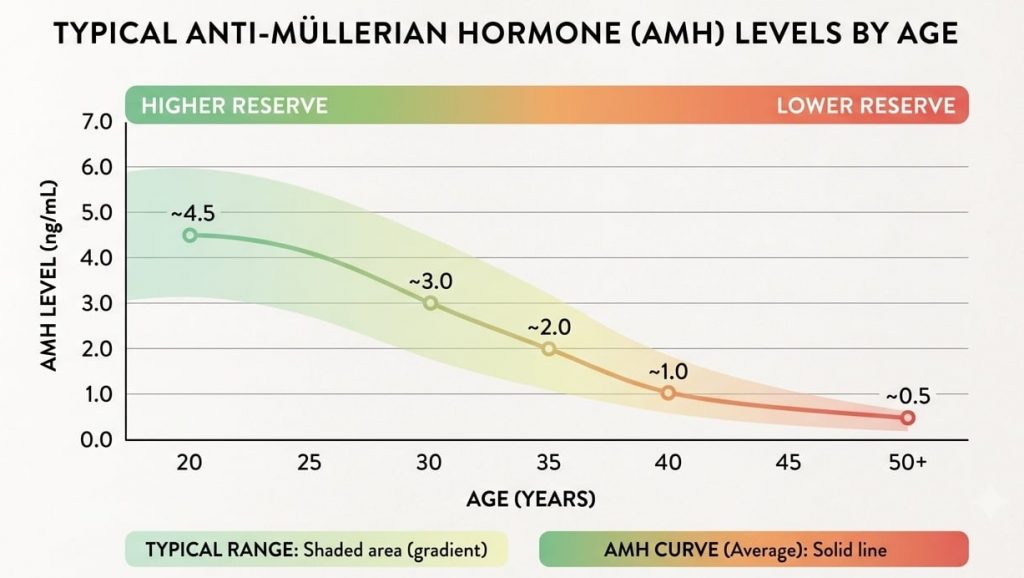
AMH levels by age: a reference guide
AMH naturally declines with age. This is completely expected – it’s how reproductive biology works. The question isn’t just what your number is, but what it means for your age.
Most Australian pathology reports list AMH in either ng/mL (nanograms per millilitre) or pmol/L (picomoles per litre). If you need to convert between the two: 1 ng/mL ≈ 7.14 pmol/L.
Approximate age-adjusted AMH reference ranges:
Age
ng/mL
pmol/L
Under 30
2.0 – 6.8
14 – 49
30–34
1.2 – 5.8
9 – 41
35–37
0.7 – 3.5
5 – 25
38–40
0.3 – 2.8
2 – 20
41–43
0.1 – 2.5
1 – 18
Over 43
0.1 – 1.5
1 – 11
These are approximate reference ranges. Specific values differ between laboratory assays and should always be interpreted by your doctor alongside your full clinical picture.
A result below the expected range for your age may prompt your doctor to describe it as “low AMH” or “diminished ovarian reserve.” A result above the upper range may indicate a high follicle count, which can be associated with PCOS, and has its own clinical considerations.
What low AMH actually tells you
Low AMH tells you one specific thing: that your measurable pool of developing follicles is smaller than expected for your age.
What it doesn’t tell you is anything definitive about:
Egg quality. AMH reflects quantity, not quality. You can have low AMH and excellent egg quality. You can have high AMH and poor quality. The two don’t map neatly onto each other.
Your ability to conceive. Many women with low AMH conceive naturally or through IVF. A low number makes the path more complex – it doesn’t close the door.
How long you’ve been this way. AMH is a snapshot taken at one moment in time. There’s no way to know from a single reading whether your levels have been declining rapidly or have been stable for years.
Why your reserve is low. Low AMH has many possible causes – autoimmune conditions, previous ovarian surgery, endometriosis, genetics, or simply a naturally smaller starting reserve. These distinctions matter for how you approach the situation.
I say this not to offer false reassurance, but because a number out of context causes a particular kind of distress. The full picture is almost always more nuanced than a single result conveys.
What the AMH test doesn’t measure
This is something I feel strongly about explaining, because I think it gets glossed over.
AMH is a useful screening marker. It is not a complete fertility assessment.
It doesn’t measure:
Whether you’re ovulating
The quality of your endometrial lining
Whether your fallopian tubes are open
Your partner’s sperm health
The hormonal environment your eggs are maturing in
Fertility involves many variables. AMH is one. It’s worth knowing – but it’s rarely the only thing that matters.
The Chinese medicine perspective on ovarian reserve
In Traditional Chinese Medicine, we don’t have a direct equivalent to AMH – it wasn’t part of the classical framework. But there is a concept that maps closely to what AMH is measuring: Kidney Jing (精).
Kidney Jing is the inherited constitutional essence that supports reproductive vitality. It is finite, and it naturally declines over time – much as AMH does. But it can be nourished, supported, and protected through acupuncture, herbal medicine, and lifestyle.
When I assess a patient with low AMH, I’m not looking at the number in isolation. I’m looking at:
Which underlying pattern is present – Kidney Yang deficiency, Kidney Yin deficiency, Blood deficiency, Liver Qi stagnation, or a combination
How the menstrual cycle looks as a whole – regularity, flow, colour, consistency
Energy levels, sleep, temperature regulation, and other signs of overall vitality
Treatment aims to support ovarian environment, improve circulation to the reproductive organs, and regulate the hormonal conditions in which eggs mature.
I want to be clear about what this means clinically: we are not claiming that acupuncture or herbal medicine can directly raise an AMH number. What we work toward is improving the broader physiological environment – circulation, hormonal regulation, and systemic resilience – in a way that may support reproductive health and IVF outcomes.
A single AMH result tells an incomplete story. Ask your GP or fertility specialist to also test FSH, LH, oestradiol, and antral follicle count (AFC) via ultrasound. Together, these give a far clearer view of where things stand.
2. Understand your timeline
If you’re not actively trying to conceive right now, knowing your AMH level allows you to plan. If you are trying, it can help you and your fertility specialist decide on the right approach – timed natural conception, ovarian stimulation, or IVF.
3. Consider the 90-day window
Egg development takes approximately 90-120 days from early follicle recruitment to ovulation. This is the window in which supportive treatment – whether acupuncture, herbal medicine, or lifestyle change – may have the most potential influence. Starting early matters more than starting perfectly.
Smoking, alcohol, a highly inflammatory diet, chronic sleep disruption, and unmanaged stress all affect the environment your eggs are maturing in. These factors won’t override genetics, but they are modifiable – and they matter.
Frequently asked questions
Can AMH levels improve?
AMH levels are significantly influenced by genetics and generally decline with age.
Some research suggests that certain lifestyle interventions and treatment protocols may be associated with modest improvements in antral follicle count and related hormonal markers – though this is an active area of research and we are careful not to make definitive claims about directly raising AMH.
What we do see, clinically, is that many patients who support their overall reproductive health report improvements in how they feel and, in some cases, in related markers over time.
What is considered a critically low AMH level?
Results below approximately 0.5 ng/mL (3.5 pmol/L) are often described as severely diminished ovarian reserve.
Results below 0.16 ng/mL (1.0 pmol/L) may be considered very low or near-undetectable. At these levels, a fertility specialist will typically recommend discussing IVF relatively soon, given the potential for continued natural decline.
AMH reflects the quantity of developing follicles, not the presence or absence of ovulation. Women with low AMH may still ovulate regularly and conceive naturally. The primary concern is the reduced time margin – a smaller reserve means less room for delay – and the potential for a lower IVF response if assisted conception becomes necessary.
Is AMH the same as ovarian reserve?
AMH is one marker of ovarian reserve, not the whole picture.
Antral follicle count (AFC) on ultrasound and FSH are also used. No single marker fully captures ovarian reserve, which is why clinicians typically interpret these together rather than acting on any one result alone.
How often should I retest?
There is no universal guideline.
If you have had a low or borderline result, retesting after 6 – 12 months can help assess rate of change. Results can also vary between laboratory assays, so if your result seems unexpected, retesting at the same lab provides a more useful comparison.
Supporting your fertility at Almond Wellness Centre
Whether you’re just beginning to investigate your fertility or you’re in the middle of an IVF cycle, understanding what your results actually mean is the starting point.
Our approach combines the depth of classical Chinese medicine with a careful understanding of where Western diagnostics like AMH sit in the broader picture. If you’d like to discuss your results and explore what a personalised treatment approach might look like, we’d be glad to help.
Dr. Richard Zeng is a fourth-generation TCM practitioner with over 30 years of clinical experience in fertility and women’s health. Almond Wellness Centre has clinics in Coburg and Ringwood, Melbourne.
One of the first questions I ask women who are trying to conceive is:
“Have you had your Vitamin D levels checked recently?”
The answer is often something like:
“I thought Vitamin D was only important for bones.”
That used to be the general view. But today, we know Vitamin D plays a much bigger role in overall health – including fertility.
In recent years, Vitamin D has become one of the most studied nutrients in reproductive medicine. A large 2025 systematic review and dose-response meta-analysis of more than 15,000 women provides some of the strongest evidence yet that Vitamin D status may influence fertility outcomes.¹
So what does this actually mean if you’re trying to get pregnant?
Why Vitamin D Matters for Fertility
Vitamin D is often called a vitamin, but it actually acts more like a hormone in the body.
Researchers have found Vitamin D receptors throughout the female reproductive system, including the ovaries, uterus, and endometrium (the uterine lining). This suggests that Vitamin D may influence several key aspects of fertility.
Ovarian Function
Vitamin D appears to help regulate hormones involved in egg development and ovarian reserve, including Anti-Müllerian Hormone (AMH) and Follicle Stimulating Hormone (FSH).
These hormones play important roles in egg quantity and quality.
Endometrial Receptivity
For pregnancy to occur, an embryo must successfully implant into the uterine lining.
Vitamin D helps regulate genes involved in endometrial receptivity, including HOXA10, which supports implantation and early pregnancy development.
Protection of Developing Eggs
Vitamin D has also been found in follicular fluid, the fluid surrounding developing eggs inside the ovary.
Research suggests it may help reduce oxidative stress, which can negatively affect egg quality.
This doesn’t mean Vitamin D is a miracle fertility treatment. However, it does suggest that low levels could potentially make conception more difficult.
What the Research Found
Earlier studies on Vitamin D and fertility were mixed. Some showed benefits, others showed no clear link.
This 2025 meta-analysis is important because it combined a large number of studies and examined dose-response effects — not just whether Vitamin D matters, but how much is enough.¹
Low Vitamin D = Lower Pregnancy Rates
Women with levels below 20 ng/mL had significantly lower clinical pregnancy rates compared with those above this level.
Higher Levels = Better Live Birth Rates
Women with Vitamin D levels ≥30 ng/mL had higher live birth rates compared to those who were deficient or insufficient.
A Possible Threshold Around 24 ng/mL (60 nmol/L)
Outcomes tended to become less favourable when Vitamin D dropped below ~24 ng/mL.
Above this level, results appeared more stable and generally improved with higher Vitamin D levels.
What Should You Do?
A simple blood test (25(OH)D) will tell you your status.
This is especially important if you:
Common
Easy to test
Simple to correct
So it’s a very reasonable part of preconception care.
1. Get Your Levels Checked
A simple blood test measuring serum 25(OH)D can tell you whether your Vitamin D levels are adequate.
Testing is particularly important if you:
Spend most of your time indoors
Live in southern Australia, especially during winter
Have darker skin
Carry excess body weight
Regularly use sun protection
2. Know Your Target
Based on current evidence:
Minimum: ~24 ng/mL (60 nmol/L)
Optimal range: ≥30 ng/mL (75 nmol/L)
3. Supplement If Necessary
If levels are low, Vitamin D3 (cholecalciferol) is usually recommended.
Typical maintenance doses range:
2,000–4,000 IU daily
Higher doses may be needed if deficiency is significant (under supervision).
Recheck levels after 8–12 weeks.
4. Don’t Depend on Sunshine Alone
Living in Melbourne makes consistent Vitamin D from sunlight difficult for many people – especially those working indoors.
Diet (oily fish, eggs, fortified foods) helps, but is rarely enough to correct deficiency alone.
The Bigger Picture
Vitamin D is just one piece of the fertility puzzle.
It will not overcome:
Poor egg quality
Blocked tubes
Endometriosis
Male factor infertility
But it may help remove one small, modifiable barrier.
How Traditional Chinese Medicine Fits In
At Almond Wellness Centre, we combine both modern reproductive science and Traditional Chinese Medicine (TCM).
Alongside nutritional and blood test insights like Vitamin D, acupuncture and herbal medicine may support:
Menstrual regularity
Ovarian function
Uterine blood flow
Stress regulation
IVF preparation
Together, this can help create a more supportive environment for conception.
Xu C, An X, Tang X, Yang Y, Deng Q, Kong Q, et al. Association between vitamin D level and clinical outcomes of assisted reproductive treatment: a systematic review and dose-response meta-analysis. Reprod Sci. 2025;32(5):1446-1458. doi:10.1007/s43032-024-01578-9.
About Author
Dr Richard Zeng is the Clinical Director of Almond Wellness Centre and a fourth-generation Traditional Chinese Medicine practitioner with clinics in Coburg and Ringwood, Melbourne.
When people start trying to conceive, they usually focus on ovulation tracking, supplements, diet, IVF timelines, or hormone levels.
Very few people stop to ask:
“Am I actually sleeping well enough?”
Yet sleep may be one of the most underestimated pieces of the fertility puzzle.
More and more research is showing that poor sleep doesn’t just leave you tired and emotionally drained. It may directly affect hormone regulation, egg quality, sperm health, implantation, and overall reproductive function.
And interestingly, this is what Traditional Chinese Medicine (TCM) has recognised for centuries.
In TCM, sleep is not simply “rest.” It is one of the body’s most important periods of repair, regulation, and restoration, particularly for reproductive health:
Whether you are trying to conceive naturally, preparing for IVF, or supporting fertility as a couple, improving sleep quality may be one of the most important – and often overlooked – steps you can take.
What the Research Is Showing
The connection between sleep and fertility is becoming harder to ignore.
A 2024 systematic review and meta-analysis published in Brain and Behavior found that sleep disorders and poor sleep quality were associated with:
reduced egg quality
lower fertilisation rates
lower clinical pregnancy rates in women undergoing IVF and assisted reproductive treatments
On the male side, researchers studying 727 male partners from infertile couples found that 75% had poor sleep quality. Those men showed significantly lower sperm concentration and reduced sperm motility compared to men who slept well.
Another large review published in Actas Urológicas Españolas concluded that women experiencing infertility consistently reported poorer sleep quality than fertile women.
The pattern across the research is remarkably consistent:
Poor sleep doesn’t just affect energy and mood. It may actively work against reproductive health.
Why Sleep Matters So Much for Fertility
Once you understand what happens in the body during sleep, the connection makes much more sense.
Sleep Is When Hormones Regulate and Repair Happens
Many of the body’s most important hormonal and repair processes occur during deep sleep.
Growth hormone — important for follicle development and egg quality — is largely released during deep sleep cycles. In men, testosterone production also follows a circadian rhythm and peaks during sleep.
When sleep becomes fragmented, shortened, or irregular, these hormonal rhythms can become disrupted.
High cortisol can interfere with the hypothalamic-pituitary-ovarian (HPO) axis, the hormonal communication system involved in ovulation and menstrual regulation.
In practical terms, this may contribute to:
irregular cycles
disrupted ovulation
poorer hormone balance
increased stress on the reproductive system
Melatonin Protects Egg and Sperm Quality
Melatonin is commonly known as the “sleep hormone,” but it does far more than help you fall asleep.
It is also a powerful antioxidant that helps protect eggs and sperm from oxidative stress and cellular damage.
Research now suggests melatonin may also support endometrial receptivity and implantation — helping create a healthier environment for embryo development.
The TCM Perspective: Sleep as a Foundation of Fertility
In Traditional Chinese Medicine, sleep is considered one of the pillars of reproductive health.
During sleep, the body restores Yin energy, replenishes Blood, and nourishes Kidney Jing – the deep constitutional energy associated with fertility, ovarian reserve, and healthy ageing.
From a TCM perspective, chronic poor sleep gradually weakens this restorative process.
Interestingly, this mirrors what modern research is now showing:
poor egg quality
hormonal dysregulation
increased inflammation
reduced sperm quality
impaired implantation
Common Sleep Patterns We See in Fertility Patients
Many fertility patients describe symptoms such as:
waking between 1–3am
difficulty falling asleep despite exhaustion
light or non-refreshing sleep
vivid dreams
racing thoughts at night
anxiety around conception or IVF
In TCM, these patterns are often linked to imbalances involving the Liver, Heart, and Kidneys.
For example:
Liver Qi stagnation may contribute to stress, tension, and disturbed sleep
Liver Blood deficiency may present with light sleep and waking during the night
Heart-Kidney disharmony is commonly associated with anxiety, overthinking, insomnia, and fertility challenges
This is why sleep is never treated as an isolated symptom in TCM. It is viewed as part of a larger interconnected picture.
How Acupuncture May Help Sleep and Fertility
One of the reasons many fertility patients find acupuncture helpful is that it often addresses both stress regulation and sleep quality at the same time.
Research suggests acupuncture may help by:
regulating the nervous system
lowering sympathetic (“fight or flight”) activation
reducing cortisol levels
improving circulation
supporting neurotransmitters involved in sleep regulation, including GABA and serotonin
Clinically, many patients report:
falling asleep more easily
fewer night awakenings
deeper sleep
improved emotional regulation
feeling calmer during IVF cycles
For fertility support specifically, acupuncture may also help improve uterine blood flow, hormonal regulation, and implantation support.
Chinese Herbal Medicine and Sleep Support
Chinese herbal medicine can also play an important role, particularly when sleep problems are longstanding or linked with stress, anxiety, hormonal imbalance, or menstrual irregularities.
Rather than using a generic sleep aid approach, TCM herbal medicine aims to identify the underlying pattern contributing to insomnia.
Commonly used herbs may include:
Suan Zao Ren – traditionally used to calm the mind and nourish Heart Blood
He Huan Pi – often used for emotional tension and restless sleep
Importantly, herbal formulas are tailored individually after consultation rather than prescribed as one-size-fits-all supplements.
Practical Ways to Support Sleep During Your Fertility Journey
Alongside acupuncture or herbal medicine, small changes in daily habits can make a meaningful difference.
Some of the most important include:
keeping a consistent bedtime and wake time
reducing screen exposure before bed
limiting caffeine later in the day
keeping the bedroom cool and dark
supporting stress management
being mindful of shift work and circadian disruption
Sometimes even modest improvements in sleep quality can positively affect energy, mood, hormone regulation, and overall wellbeing.
A Final Thought
Sleep, stress, hormones, and fertility are deeply connected.
This is something Traditional Chinese Medicine has observed clinically for thousands of years, and modern research is increasingly confirming the same relationship.
If you are trying to conceive and struggling with poor sleep, waking during the night, anxiety, or feeling constantly exhausted, it may be worth paying closer attention to this part of your health.
Because the hours you spend asleep are not “inactive” time.
They are when the body performs some of its most important reproductive repair and regulation work.
And improving sleep may be one of the most powerful – and most overlooked – ways to support fertility naturally.
References
Gençtürk, N., Yıldız Karaahmet, A., Shafaati Laleh, S., & Guksu, Z. (2024). The relationship between infertility and sleep quality in women: Systematic review and meta-analysis. Actas Urológicas Españolas, 48(3), 185–203. https://doi.org/10.1016/j.acuroe.2023.12.002
Li, Q., et al. (2023). Sleep characteristics before ART and reproductive outcomes among Chinese infertile women. As cited in: Brain and Behavior (2025). Relationship between sleep disturbances and in vitro fertilization outcomes: A systematic review and meta-analysis. https://pmc.ncbi.nlm.nih.gov/articles/PMC11808184/
Zhongnan Hospital of Wuhan University. (2025). Association of male sleep quality with semen parameters and pregnancy outcomes in infertile couples. PMC. https://www.ncbi.nlm.nih.gov/pmc/articles/PMC12487260/
Reschini, M., et al. (2022). Women’s quality of sleep and in vitro fertilization success. Scientific Reports, 12. https://doi.org/10.1038/s41598-022-22534-0
Li, L., et al. (2024). Association of sleep, inflammation and female infertility. Brain and Behavior. https://onlinelibrary.wiley.com/doi/pdfdirect/10.1002/brb3.70627
Zhang, Y., et al. (2025). The dose–effect relationship between acupuncture and its effect on primary insomnia: A systematic review and meta-analysis. Frontiers in Neuroscience. https://pmc.ncbi.nlm.nih.gov/articles/PMC11847884/
Li, 2022; Wang, W. (2023). Acupuncture influences sleep mechanisms by regulating neurotransmitters. As cited in: Cochrane Review on acupuncture for insomnia. https://pmc.ncbi.nlm.nih.gov/articles/PMC12236059/
Li, T., et al. (2024). Traditional Chinese herbal formulas modulate gut microbiome and improve insomnia in patients with distinct syndrome types. Frontiers in Microbiology. https://www.ncbi.nlm.nih.gov/pmc/articles/PMC11137223/
Cui, H., et al. (2021). Melatonin’s role in improving reproductive outcomes by reversing inflammation and promoting decidualisation. As cited in Li et al. (2024), Brain and Behavior.
Roberto, S., et al. (2024). Circadian rhythm and endometrial function. As cited in Li et al. (2024), Brain and Behavior.
About Author
Dr. Richard Zeng is a fourth-generation Traditional Chinese Medicine practitioner and Clinical Director of Almond Wellness Centre, with clinics in Coburg and Ringwood, Melbourne. He is specially interested in fertility,IVF support, women’s health, and complex chronic conditions using acupuncture and Traditional Chinese Medicine (TCM).
Most fertility patients eventually become familiar with terms like:
AMH,
follicle count,
embryo grading,
blastocyst quality,
or ovarian reserve.
But one important issue is rarely explained clearly:
Egg quantity and egg quality are not the same thing.
A woman may have:
a reasonable AMH but poor embryo development,
or low AMH yet still produce viable embryos.
This is why many fertility specialists increasingly focus not only on the number of eggs retrieved – but on the biological competence of those eggs. And this is also where Chinese herbal medicine may have a meaningful role.
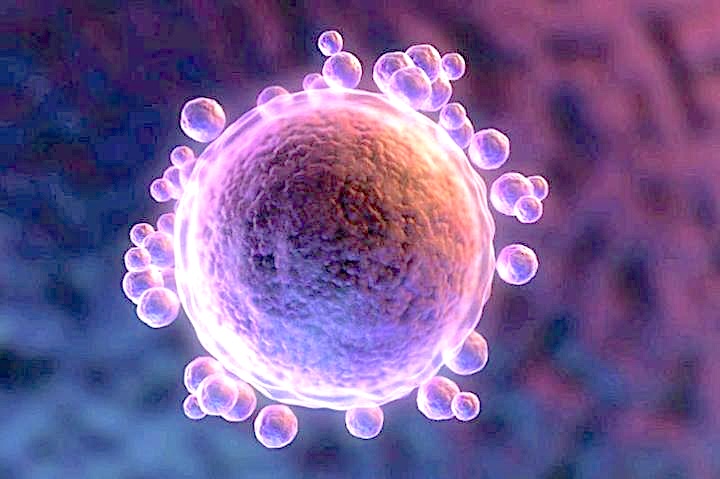
The “Invisible” Side of Egg Quality
When patients hear “egg quality,” they often assume it is purely age-related.
Age certainly matters.
But modern reproductive research suggests egg quality is also influenced by:
mitochondrial function
oxidative stress
inflammation
blood supply
metabolic health
sleep
stress physiology, and
immune signalling.
This helps explain why two women of the same age can have dramatically different IVF outcomes.
Why This Matters in IVF
During IVF, the goal is not simply: “Retrieve more eggs.”
The real goal is:
mature eggs,
genetically competent embryos,
successful implantation, and ultimately
a healthy live birth.
Many failed IVF cycles occur despite: “good fertilisation” or “reasonable embryo numbers.”
This suggests the issue may involve:
embryo competence,
implantation environment,
or cellular health.
The Emerging Role of Chinese Herbal Medicine
Research increasingly suggests Chinese herbal medicine may influence several pathways linked to reproductive function, including:
oxidative stress reduction
mitochondrial support
inflammation modulation
vascular circulation
immune regulation
hormonal signalling
endometrial receptivity
This is particularly relevant for:
low ovarian reserve,
recurrent failed IVF,
advanced maternal age,
poor embryo quality,
recurrent implantation failure,
or unexplained infertility.
What Makes TCM Different from Generic Fertility Supplements?
Most supplement protocols are standardised. But TCM is highly individualised.
Two women with:
poor blastocyst development,
low AMH,
or recurrent failed transfer
may receive very different herbal formulas.
Why?
Because TCM evaluates:
menstrual quality,
ovulation patterns,
stress physiology,
sleep,
digestion,
circulation,
inflammation patterns,
and constitutional presentation.
This systems-based assessment is one reason many patients feel that Chinese medicine “looks at the whole picture.”
The Missing Conversation: IVF Is Not Just a Laboratory Process
A major gap in fertility discussions online is that IVF is often presented as purely technological.
But implantation is still a biological event.
Even the highest-quality embryo still requires:
immune tolerance,
adequate blood supply,
hormonal coordination,
and a receptive endometrium.
This is one reason many reproductive endocrinologists now recognise the importance of:
In many real-world cases, Chinese herbal medicine works best:
alongside reproductive medicine, not against it.
The Future of Fertility Care May Be Integrative
One of the most exciting developments in fertility care is the growing shift toward integrative reproductive medicine.
Instead of treating fertility as:
purely hormonal,
purely mechanical,
or purely stress-related,
integrative models recognise that fertility is influenced by multiple interconnected systems.
This may explain why many patients now combine:
IVF,
acupuncture,
Chinese herbal medicine,
nutrition,
stress regulation,
sleep optimisation,
and lifestyle medicine
into one coordinated plan.
What We Focus On at Almond Wellness Centre
At Almond Wellness Centre, our fertility-focused Chinese medicine treatments including fertility acupuncture and Chinese herbal medicine are tailored to the individual rather than based on a generic fertility formula.
Depending on the patient, treatment may focus on:
menstrual cycle regulation
IVF preparation
low ovarian reserve
recurrent miscarriage
implantation support
male fertility support
or post-failed IVF recovery
We also commonly work alongside IVF clinics across Melbourne as part of an integrative fertility care approach.
A Final Perspective
One of the biggest misconceptions in fertility care is believing that success depends on a single intervention.
In reality, fertility outcomes are often influenced by:
cumulative improvements,
biological resilience,
timing,
and the overall reproductive environment.
Chinese herbal medicine may not change every fertility outcome.
But for many couples, it provides something extremely valuable:
another pathway to support the body before, during, and after fertility treatment.
There’s a conversation that happens in our clinic often.
A woman comes in for a fertility acupuncture consultation. She’s done her research about Chinese medicine for fertility and ready to commit. We ask whether her partner has been assessed. She looks slightly unsure. “He had a semen analysis,” she says. “It came back mostly fine.”
This is the moment we gently open a door that most fertility content never opens.
Male factor infertility contributes to nearly 40–50% of all cases in which a couple has difficulty conceiving (Agarwal et al., 2015). When a semen analysis returns within the normal range, that analysis measures only a few parameters – it says nothing about sperm DNA fragmentation, oxidative stress, mitochondrial function, or the energetic and systemic patterns that Chinese medicine can identify and address.
Treating fertility as a couple’s issue rather than solely a women’s issue is not just courtesy – it’s a smarter clinical approach. In our experience, it’s also one of the most overlooked opportunities in fertility care.
What a Standard Semen Analysis Doesn’t Tell You
A typical semen analysis gives you four numbers: count, motility, morphology, and volume. These are meaningful – but they’re also a relatively coarse picture of male reproductive health.
What isn’t routinely measured in standard testing:
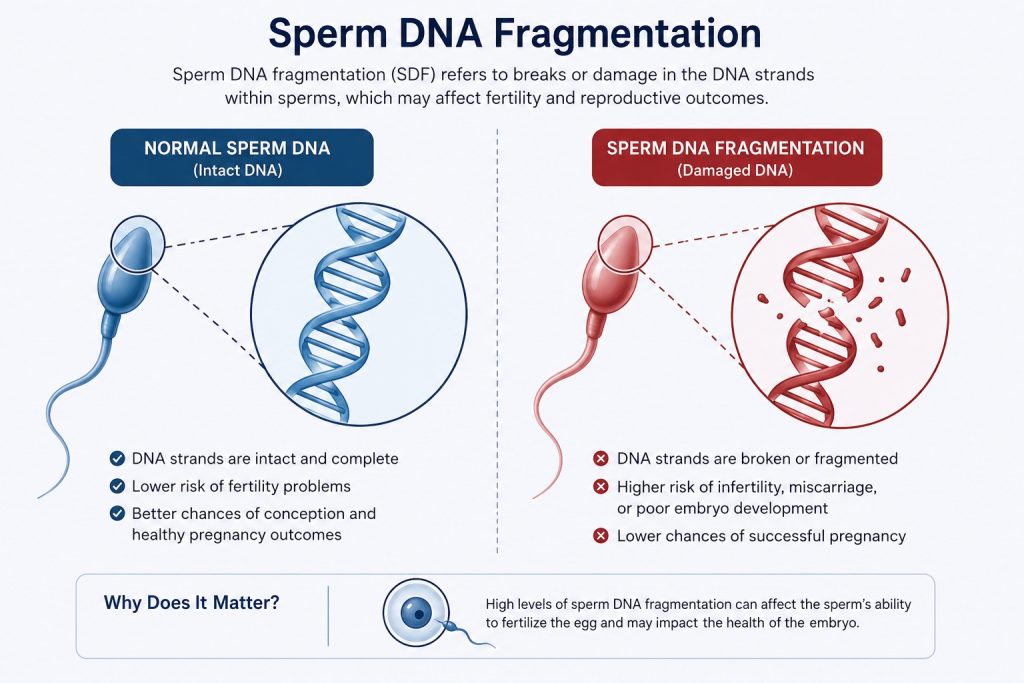
Sperm DNA fragmentation (SDF): Sperm with fragmented DNA may fertilise an egg but produce embryos that fail to implant, or pregnancies that end in early loss. SDF rates above 15-25% are associated with significantly poorer IVF outcomes, and elevated fragmentation can be present even when count, motility, and morphology look normal.
Reactive oxygen species (ROS) / oxidative stress: Excess free radicals damage sperm cell membranes and DNA, and are linked to diet, heat exposure, varicocele, infection, smoking, and chronic stress.
Mitochondrial function: Mitochondria power sperm movement. Subtle dysfunction here may not show up in basic motility scoring but still impairs fertilisation potential.
From a TCM perspective, each of these concerns maps onto identifiable patterns – kidney yang deficiency, damp-heat in the lower jiao, qi and blood stagnation – that acupuncture and herbal medicine are well-suited to address.
What the Research Shows for Male Fertility and TCM
This is where the gap in public fertility content is most stark. While dozens of well-cited articles exist about acupuncture and IVF outcomes for women, the evidence base for male fertility is less often discussed – but it’s substantial.
Acupuncture and sperm quality:
A 2005 prospective controlled study (Pei et al., published in Fertility & Sterility) found that men with idiopathic infertility who received acupuncture twice weekly showed significant improvements in sperm ultrastructure – specifically the integrity of the sperm cell membrane and mitochondrial sheath – compared to controls. These are precisely the structural features that standard semen analysis doesn’t measure.
A 2021 systematic review and meta-analysis (Huang et al., Andrologia) found acupuncture to be associated with improvements in sperm concentration and motility, particularly in men with idiopathic male infertility.
Chinese herbal medicine and sperm parameters:
One of the most-used classical formulas for male fertility in Chinese medicine is Wuzi Yanzong Wan (Five-Seed Progeny Pill) – a formula that has been in continuous use for centuries and has been the subject of multiple modern trials. Studies suggest that this and related formulas may support sperm count, motility, and the antioxidant capacity of seminal plasma.
A meta-analysis referenced in FertilityIQ found that combining Chinese herbal formulas with IVF protocols may improve live birth rates and follicular fluid quality – but this benefit is most pronounced when both partners are receiving care, because sperm quality directly influences embryo quality.
The Sperm DNA Fragmentation Conversation
If there’s one area where we wish more couples had access to better information, it’s sperm DNA fragmentation (SDF).
Here’s why it matters: an IVF embryology lab can select the most morphologically normal sperm for ICSI. But it cannot visually detect fragmented DNA. A beautiful-looking sperm under a microscope can still carry damaged genetic material that compromises the embryo.
Sperm DNA fragmentation is highly sensitive to:
Elevated scrotal temperature (tight underwear, laptops on laps, hot baths)
Oxidative stress from poor diet, smoking, alcohol, or environmental toxins
Chronic psychological stress – cortisol disrupts testosterone and Leydig cell function
Varicocele and subclinical infection
Chinese medicine approaches elevated SDF through two primary lenses:
clearing damp-heat (an internal pattern associated with inflammation and oxidative burden in the lower body) and
tonifying kidney essence (the constitutional resource that sustains reproductive vitality).
Dietary and lifestyle guidance is almost always part of the conversation.
Importantly, sperm take approximately 74 days to mature (spermatogenesis takes roughly 2.5 months). This means interventions – acupuncture, herbal medicine, dietary change – need to begin at least three months before a planned collection or IVF cycle to allow a full generation of healthier sperm to mature.
This is why we ask couples, wherever possible, to begin care together.
The Emotional Dimension: Why It Matters for Both of You
Fertility treatment places an enormous psychological burden on couples – and research is clear that this burden falls unequally. Women in IVF cycles typically report higher levels of anxiety, depression, and identity stress. Men often report feeling peripheral to the process, less informed, and unsure how to contribute.
This imbalance has a real clinical effect. Chronic psychological stress in men elevates cortisol, suppresses testosterone production, and is directly associated with reduced sperm motility and concentration. Treating the male partner isn’t just good medicine – it gives him a meaningful, active role in the journey. In our experience, this shift – from bystander to participant – has a measurable effect on how couples move through treatment together.
In TCM, the heart and kidney systems are closely connected in reproductive health. Emotional nourishment, sleep quality, and the regulation of the shen (spirit or mind) are not soft extras. They are core clinical variables.
At Almond Wellness Centre, when a couple comes to us for fertility support, our standard approach is to assess both partners at intake.
For the female partner, we conduct a detailed TCM diagnosis including menstrual history, basal body temperature chart review (if available), tongue and pulse assessment, and a review of any existing investigations.
For the male partner, we review any available semen analysis results and conduct a TCM constitutional assessment – asking about energy levels, sleep, libido, stress, urinary and digestive function, and looking for patterns such as:
We don’t require both partners to attend every session – in practice, the female partner typically comes more frequently. But assessing and supporting the male partner from the outset means the embryos being created have the best possible building blocks from both sides.
What About When Male Factor Is the Primary Diagnosis?
When a semen analysis does show significant abnormalities – very low count, poor motility, high morphology defects – Chinese medicine can still play a valuable role, though it works alongside rather than instead of specialist reproductive medicine input.
In cases of oligospermia or severe oligospermia, we typically recommend:
A full 3-month acupuncture and herbal programme before repeat semen analysis
Referral for SDF testing if not already done
Coordinated care with your IVF specialist, who remains informed of all TCM treatment
Where sperm parameters have improved measurably following TCM treatment, couples have in some cases avoided the need for ICSI, or moved from ICSI to standard IVF fertilisation – a meaningful clinical shift. In other cases, improved sperm quality has contributed to better embryo quality even when ICSI remains the chosen approach.
Frequently Asked Questions
Does the male partner need to come to every appointment?
No. The male partner’s initial consultation takes around 60 minutes, and subsequent follow-up sessions (typically monthly) are shorter. In between, the female partner continues her cycle-phase treatment on the usual weekly schedule.
What if my partner isn’t interested in acupuncture?
That’s common. A significant part of the benefit for male fertility comes from Chinese herbal medicine and dietary/lifestyle guidance, which don’t require regular clinic visits. We can work with whatever level of engagement is comfortable.
Can we start couples’ care mid-IVF cycle?
Yes. The 3-month ideal is exactly that – ideal. We can always start where you are. Even one month of coordinated support is more purposeful than none, and some dietary and lifestyle changes can produce measurable shifts in sperm parameters within 4-6 weeks.
My IVF specialist says semen analysis is normal – why would we treat the male partner?
Normal on semen analysis doesn’t mean optimal. SDF, oxidative stress, and subclinical TCM patterns may be present even when count, motility, and morphology are within reference ranges. Optimisation isn’t the same as normalisation.
Ready to Talk to Us?
Almond Wellness Centre offers fertility consultations at our Coburg clinic and Ringwood clinic. We welcome couples at any stage of their journey – whether you’re just beginning to prepare, trying to conceive naturally, currently in an IVF cycle, or navigating the path after a failed transfer.
Book a couples’ fertility consultation or call us to discuss your situation. We’re here to help both of you.
This article is for general educational purposes and does not constitute medical advice. TCM treatment plans are always individualised. Please consult your fertility specialist and a qualified TCM practitioner before making changes to your fertility care.
References
Agarwal A, Mulgund A, Hamada A, Chyatte MR. A unique view on male infertility around the globe. Reprod Biol Endocrinol. 2015;13:37. PubMed ID: 25928197
Pei J, Strehler E, Noss U, et al. Quantitative evaluation of spermatozoa ultrastructure after acupuncture treatment for idiopathic male infertility. Fertil Steril. 2005;84(1):141–7. PubMed ID: 16009170
Kwon, C.-Y., Lee, B., Lee, S. H., & Jo, J. (2020). Herbal medicine in women undergoing in vitro fertilization/intracytoplasmic sperm injection: A systematic review and meta-analysis. Complementary Therapies in Medicine, 53, 102528.
Chang, H., Yeung, T. C., Yang, X., Gao, J., Wu, X., & Wang, C. C. (2023). Chinese herbal medicines as complementary therapy to in vitro fertilization-embryo transfer in women with infertility: Protocols and applications. Journal of Obstetrics and Gynaecology, 43(7), 845–863.
Li, X., Wang, Z., Wang, H., Zheng, Y., Han, X., Chen, W., Wu, H., & Lian, F. (2025). Erzhi Tiangui formula increases the number of high-quality blastocysts in patients with advanced age by regulating the Nrf2/HO-1 signaling pathway: A randomized controlled study. Journal of Ovarian Research, 19, 37.
Jia, W., Wang, C., & Yin, Y. (2021). Acupuncture for oligospermia and asthenozoospermia: A systematic review and meta-analysis. Medicine, 100(48), e27816.



 When patients hear “egg quality,” they often assume it is purely age-related.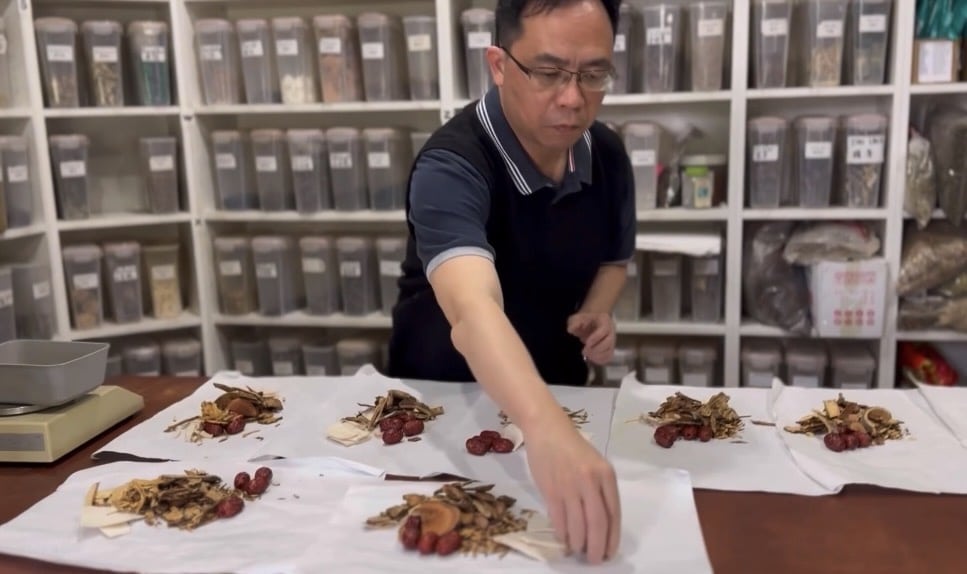
 If there’s one area where we wish more couples had access to better information, it’s sperm DNA fragmentation (SDF).