Starting fertility acupuncture can feel like another appointment to organise during an already busy fertility journey. A little preparation can make your first consultation more useful.
Whether you are trying to conceive naturally, preparing for IVF, recovering from an unsuccessful cycle or managing a fertility diagnosis, your practitioner needs to understand your individual situation.
1. Prepare yourself mentally
Fertility treatment can be emotionally exhausting. You may be managing uncertainty, disappointing results, changing plans or anxiety about your next cycle.
You do not need to arrive feeling completely relaxed. Instead, try to create a little space before your appointment:
Get enough sleep the night before, if possible
Avoid rushing from a stressful appointment or work situation
Take a few slow breaths before your consultation
Write down your main concerns
Be honest about your stress, sleep and emotional wellbeing
Bring your fertility reports, even if you do not understand every result. Useful information may include:
AMH, FSH, LH and oestradiol
Progesterone
Thyroid, vitamin D and iron/ferritin results
Other relevant blood tests
Antral follicle count
Ultrasound reports
Endometrial thickness
Ovarian or pelvic findings
Your practitioner can consider these results alongside your age, menstrual history, previous treatment and overall health, and coordinate care with your GP or fertility specialist where appropriate. (Almond Wellness Centre)
4. Bring your IVF or IUI treatment history
If you have had fertility treatment, bring details of previous cycles, including:
Number of IVF or IUI cycles
Stimulation medications and doses
Follicle and egg numbers
Fertilisation results
Embryo numbers and grades
Fresh or frozen transfer
Endometrial thickness
Implantation, miscarriage or biochemical pregnancy
Complications or significant side effects
Your specialist’s recommendations for the next cycle
Previous treatment can help your practitioner understand your current situation and plan care appropriately. IVF acupuncture should complement, not replace, your fertility specialist’s treatment plan.
5. Know where you are in your cycle
If you are trying to conceive naturally, note:
The first day of your last period
Your usual cycle length
When you think you ovulate
Whether you use ovulation predictor kits or basal body temperature
Any mid-cycle spotting or ovulation pain
Your luteal phase length
If you are preparing for or undergoing IVF, bring your expected cycle, stimulation and transfer dates. Tell your practitioner where you are in the protocol and which medications you are taking.
Treatment may differ depending on whether you are preparing for natural conceiving, undergoing stimulation, approaching embryo transfer or waiting for a pregnancy test.
6. List everything you are taking
Bring a list or photographs of your:
Prescription medications
Prenatal supplements and vitamins
CoQ10
Fish oil or omega-3
Vitamin D
Iron
Herbal medicines
Chinese herbal medicines
Other supplements
This is especially important during IVF. Chinese herbal medicine may be suitable during some stages of fertility preparation, but it is commonly paused once ovarian stimulation begins unless discussed with your fertility specialist. (Almond Wellness Centre)
Do not start or stop prescription fertility medication based on acupuncture advice. Your fertility specialist remains responsible for your medical IVF protocol.
7. Choose your fertility acupuncturist carefully
Before booking, consider asking:
Are they properly registered?
In Australia, check that the practitioner is registered with AHPRA and the Chinese Medicine Board of Australia.
Do they have fertility experience?
Ask whether they regularly support natural conception, IVF, IUI and frozen embryo transfer.
Do they understand conventional fertility treatment?
They should be comfortable discussing blood tests, ultrasound findings, ovarian reserve, medications and IVF protocols.
Do they work alongside your fertility clinic?
Acupuncture should complement medical fertility care. Your practitioner should respect your fertility specialist’s treatment plan and communicate appropriately when needed. (Almond Wellness Centre)
Do they provide an individualised plan?
Avoid a one-size-fits-all approach. Patients with the same diagnosis can have very different health histories, cycles, treatment responses and goals. Your first consultation should include a proper assessment before treatment is planned.
What should you expect at the first appointment?
Your first consultation should involve more than acupuncture. Your practitioner may discuss your medical and fertility history, menstrual cycle, previous treatments, medications, lifestyle, sleep, stress and reproductive goals.
The aim is to understand your overall situation and decide how acupuncture, Chinese herbal medicine and lifestyle support may fit into your care.
For natural conception, treatment may include cycle-based care, ovulation tracking and preconception support. For IVF, it may be planned around your protocol, from preparation and stimulation through to embryo transfer and the two-week wait.
One final tip: do not wait until the last minute
If you are planning IVF, preparation does not have to begin on the day of embryo transfer. Where possible, many fertility preparation programs begin around three to four months before a planned IVF cycle.
If your cycle is approaching sooner, it is not necessarily too late to seek support. Start with a proper assessment and make the treatment fit your fertility timeline.
A simple checklist to bring to your first appointment
☐ Fertility diagnosis or concerns
☐ Previous fertility treatment history
☐ Blood test results
☐ Ultrasound or scan reports
☐ Current medications
☐ Vitamins and supplements
☐ Chinese herbal medicines, if any
☐ Menstrual and ovulation history
☐ IVF protocol and dates, if applicable
☐ Previous IVF or IUI outcomes
☐ Questions you want to ask
The better your practitioner understands your history, the more personalised your care can be.
At Almond Wellness Centre, our fertility acupuncture programs work alongside your GP and fertility specialist, with treatment tailored to your diagnosis, fertility history, cycle and treatment stage.
We provide fertility acupuncture and Chinese medicine support for natural conception, preconception care, IVF preparation and IVF treatment at our Melbourne clinics in Coburg and Ringwood.
In Chinese medicine, sexual vitality isn’t treated as a separate issue from the rest of your health – it’s read as a reflection of it. When patients come to see me about low libido, erectile difficulties, or a general sense that their “spark” has gone missing, I’m rarely looking at just one herb or one symptom. I’m looking at the whole picture: sleep, stress, energy, digestion, and often what we call Kidney Jing (肾精, shèn jīng) – the deep reserve of vitality that Chinese medicine considers the root of both sexual and reproductive function (it’s the same underlying concept I talk about in Chinese medicine for fertility).
That said, a handful of herbs come up again and again in this conversation, both in the classical literature and in modern laboratory and clinical research. I want to walk through eight of them here – what they’re traditionally used for, and what the science currently says.
A quick note before we start: none of this is intended to diagnose, treat, or cure any condition, and it isn’t a substitute for a proper consultation. Herbs interact with medications (particularly heart, blood pressure, and hormone-related medications) and aren’t appropriate for everyone. If low libido or sexual difficulty is something you’re dealing with, it’s worth having it properly assessed rather than self-prescribing – there can be underlying causes (hormonal, cardiovascular, psychological, medication-related) that need to be ruled out or addressed directly.
1. Epimedium – Yín Yáng Huò (淫羊藿)
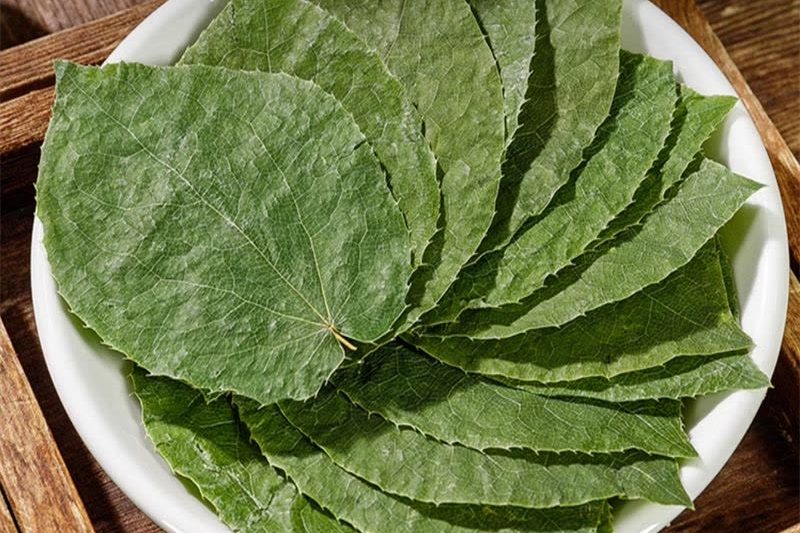
Epimedium, often sold in the West as “horny goat weed,” is probably the most recognisable herb on this list. In Chinese medicine it’s classified as a Kidney Yang tonic, traditionally used for what we’d describe as Yang deficiency – a pattern that can present as low libido, fatigue, cold hands and feet, and a general lack of drive.
The compound researchers have focused on is icariin, Epimedium’s main active flavonoid. Laboratory studies suggest icariin may work in a way that’s structurally similar to PDE5 inhibitors (the drug class that includes sildenafil) – by relaxing smooth muscle and supporting blood flow, with dose-dependent inhibitory effects on PDE5 activity demonstrated in isolated enzyme studies. Animal studies have shown Epimedium extract relaxing corpus cavernosum tissue through several targets in the nitric oxide/cyclic GMP signalling pathway, and a 2022 narrative review concluded that icariin and its derivatives could be a promising avenue for restoring erectile function, while noting that larger, higher-quality clinical trials are still needed.
It’s worth flagging: because icariin’s proposed mechanism overlaps with PDE5-inhibitor medications, Epimedium isn’t something to combine with those medications, or with nitrate medications, without medical supervision.
2. Cistanche – Ròu Cōng Róng (肉苁蓉)
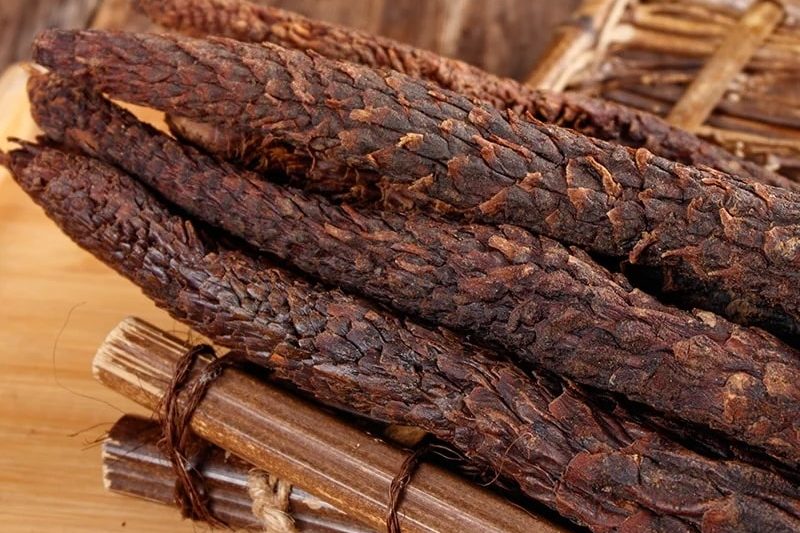
Cistanche is a parasitic desert plant that’s been used in Chinese medicine for centuries, first recorded in the classical text Shennong’s Materia Medica. It’s another Kidney Yang tonic, traditionally reached for alongside Epimedium for the same broad pattern – low vitality, low libido, and reproductive concerns in both men and women (it’s one of the herbs that shows up frequently in formulas for male fertility as well).
Modern research has mostly been done in animal models. In one study, castrated rats given Cistanche extract showed measurable changes in erectile response and reproductive hormone levels compared to untreated controls. Broader pharmacological reviews note that Cistanche’s active compounds (acteoside and related phenylethanoid glycosides) are associated with alleviating inflammation, improving kidney function, increasing testosterone, and supporting sperm vitality in the animal and clinical literature reviewed. This lines up with how the herb has always been used traditionally – as a tonic for exhaustion and reproductive decline rather than a fast-acting stimulant.
Human clinical trial data on Cistanche specifically for sexual function is still limited, so I’d treat the traditional use and the animal research as suggestive rather than conclusive.
3. Cordyceps – Dōng Chóng Xià Cǎo (冬虫夏草)
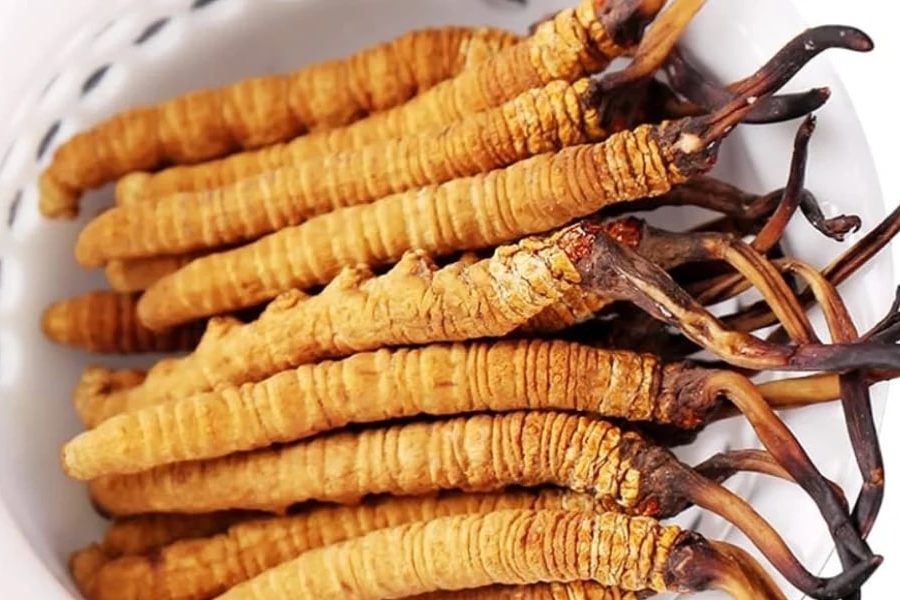
Cordyceps – the “winter worm, summer grass” fungus – has one of the more interesting mechanisms on this list. Traditionally it’s used as a Kidney and Lung tonic for fatigue, breathlessness, and reduced sexual function, and it’s often reached for in cases of general depletion rather than a specific sexual complaint.
At the cellular level, Cordyceps sinensis and its active compound cordycepin have been shown to significantly stimulate steroidogenesis in Leydig cells (the testosterone-producing cells in the testes) in laboratory studies, suggesting a plausible mechanism for enhanced reproductive function. On the clinical side, older studies of elderly patients with chronic fatigue-type presentations found that most participants taking Cordyceps mycelium reported improvement across a cluster of symptoms including cold intolerance, dizziness, and low libido, alongside fatigue and other markers. More recent small placebo-controlled work in older adults with low libido reported improved sexual desire after several weeks of supplementation, though sample sizes in this area remain small and results should be read cautiously.
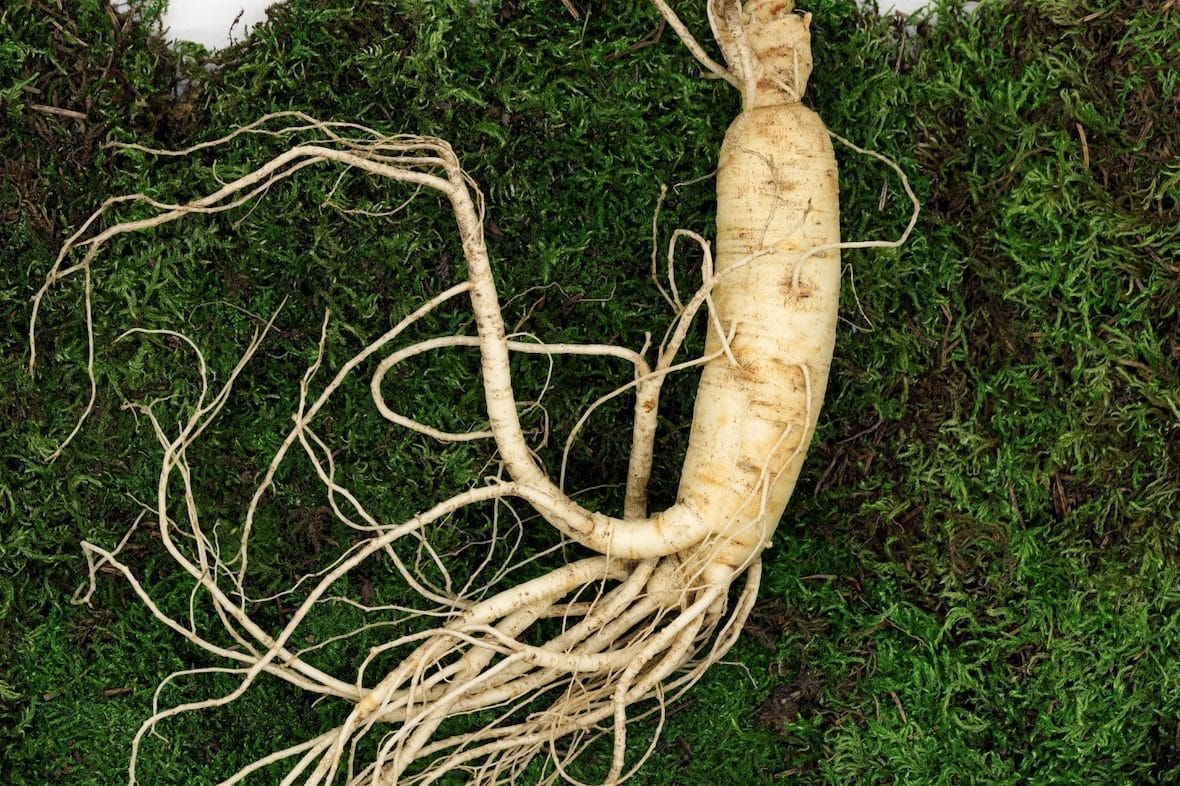
4. Panax Ginseng – Rén Shēn (人参)
Ginseng is probably the best-researched herb for sexual function on this list, at least when it comes to human clinical trials. A broad systematic review of Panax ginseng across many areas of health identified four separate randomised controlled trials that specifically examined erectile dysfunction as an outcome, out of 65 trials reviewed overall – a reasonable-sized body of evidence for a single herb.
Most of that erectile-function research has actually used red ginseng, a steamed and dried preparation of the same Panax ginseng root, rather than the raw (“white”) form. A meta-analysis pooling data from seven of these trials found that red ginseng was superior to placebo in improving erectile function, though the authors noted the individual trials varied in methodological quality and called for better-designed studies. Whether raw and red preparations perform identically hasn’t been directly settled, but they share the same core active compounds (ginsenosides), and in Chinese medicine terms both are classed as Qi tonics – traditionally used for depleted energy and stamina, with sexual vitality considered downstream of that broader energetic picture rather than treated as an isolated target.
This is one of the few herbs on this list where I’d say the human trial evidence, while still imperfect, is reasonably encouraging.
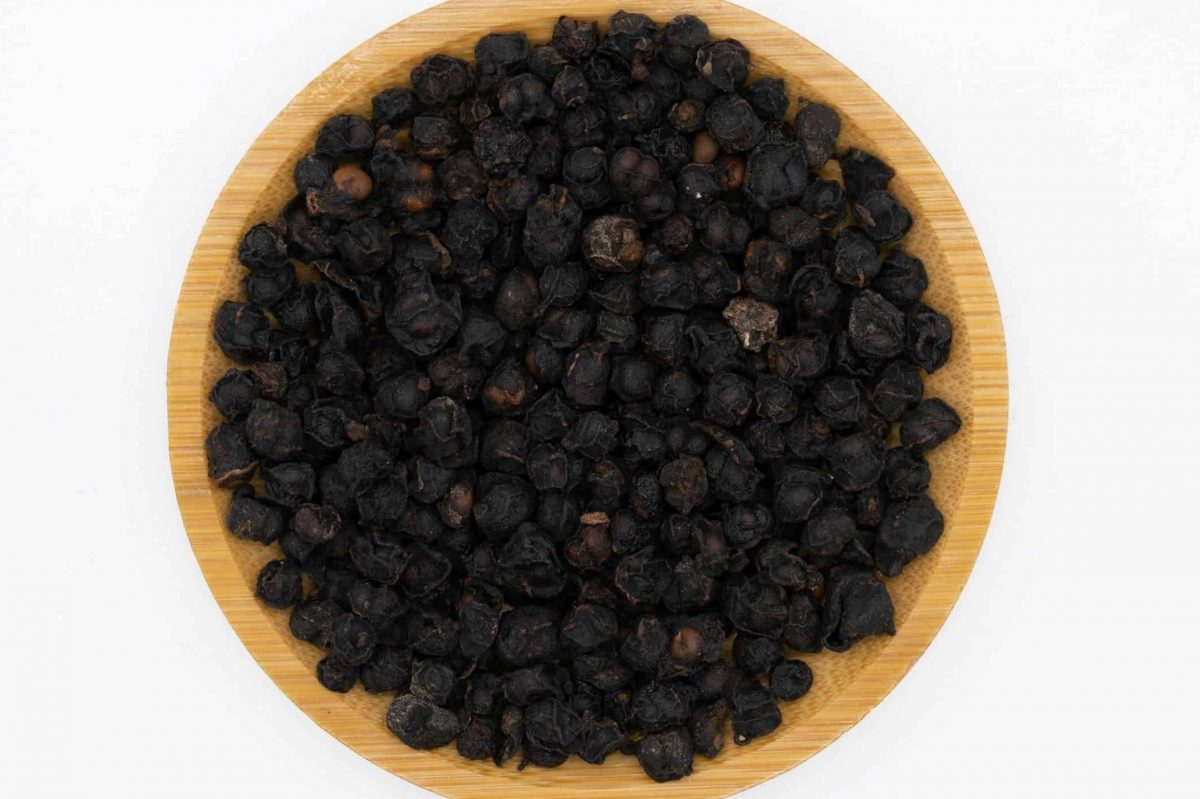
5. Schisandra – Wǔ Wèi Zǐ (五味子)
Schisandra – the “five-flavour fruit” – is classified in Chinese medicine as a Kidney and Lung astringent tonic, traditionally used for fatigue, night sweats, and what’s described as Kidney Yin (rather than Yang) deficiency, alongside a long folk reputation for supporting sexual stamina.
The research picture here is a little different from the others: Schisandra is best studied as an adaptogen, meaning its main documented effects are on stress resilience, cognitive function, and liver protection rather than sexual function specifically. A pharmacological review grouping Schisandra alongside Panax ginseng and Rhodiola noted that ginseng has documented effects on erectile dysfunction and promotes sexual arousal in menopausal women, while Schisandra’s more established evidence lies in its adaptogenic and neuroprotective effects. In practice, I tend to use Schisandra in formulas for patients whose low libido looks connected to chronic stress, poor sleep, or burnout, rather than as a stand-alone “libido herb.”
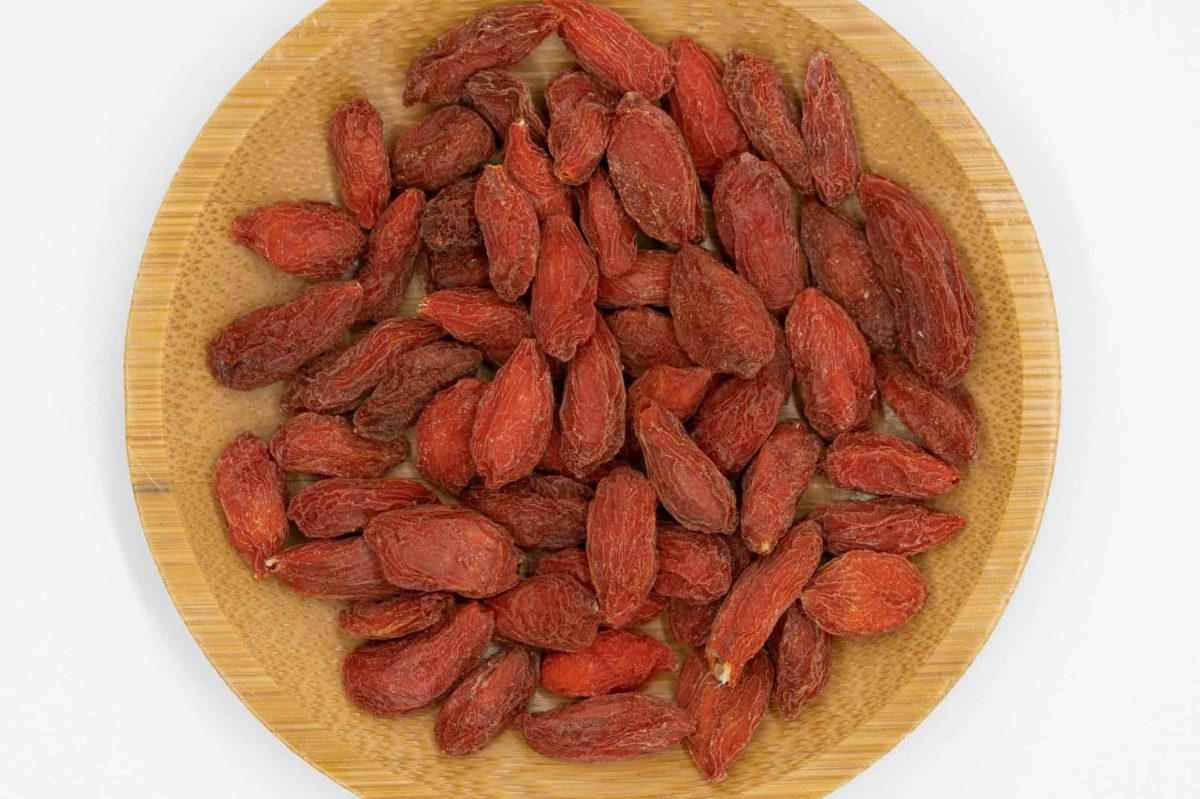
6. Goji Berry – Gǒu Qǐ Zǐ (枸杞子)
Goji berry (wolfberry) is one of the gentlest herbs on this list and one of the few genuinely used as a food as much as a medicine. In Chinese medicine it nourishes Kidney and Liver Yin and is classically described as tonifying “essence” (精, jīng) – the substance underlying reproductive health and long-term vitality.
Animal research on Lycium barbarum polysaccharide (LBP), the goji berry’s main active compound, has been fairly consistent: studies in male rats found LBP improved copulatory performance and reproductive function, shortened erection and mount latency, regulated sex hormone secretion, and improved sperm quantity and quality. More recent human research has moved into clinical populations – a randomised trial in men with varicocele-related infertility found LBP supplementation associated with significant improvements in testosterone level and sperm count, motility, and morphology compared to control. It’s a promising direction, though this trial was in a specific fertility-affected population rather than the general public, so it doesn’t necessarily generalise to everyone. (If sperm quality or fertility is the main concern rather than libido itself, it’s worth reading about how Chinese herbal medicine approaches fertility and IVF support more broadly.)
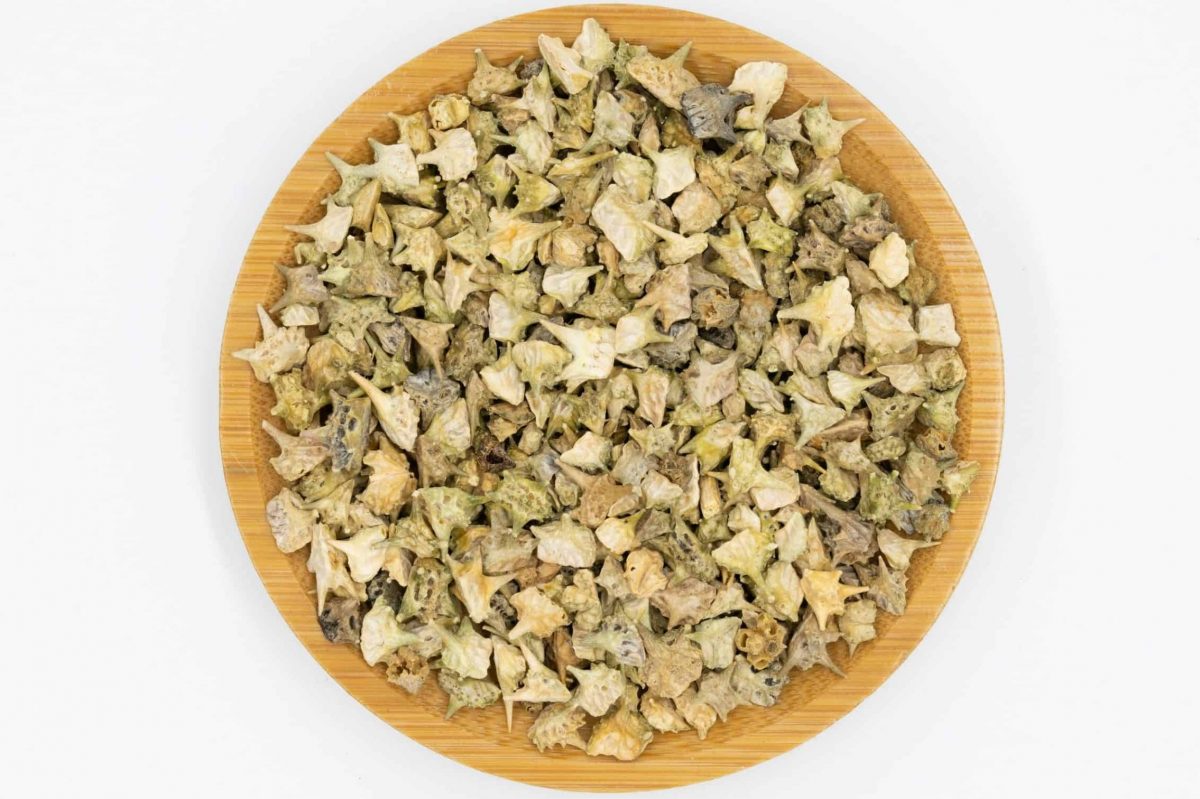
7. Tribulus – Cì Jí Lí (刺蒺藜)
Tribulus terrestris (puncture vine) is used in Chinese medicine primarily as a Liver herb – traditionally for headaches, irritability, and itchy skin conditions, with a secondary reputation (and much broader use in Western and Ayurvedic herbalism) as a libido and vitality tonic.
Tribulus is one of the more heavily trialled herbs on this list, and the picture that emerges is mixed but not negative. A 2025 systematic review of nine clinical trials and one uncontrolled study in men found that Tribulus supplementation improved erectile dysfunction in three of the five studies that assessed it, though most studies did not show significant changes in testosterone, particularly in men who didn’t have low androgen levels to begin with – suggesting it may do more for erectile function directly than for hormone levels. For women, a systematic review of five RCTs found that women given Tribulus for one to three months showed a significant increase in sexual function scores, though the review rated the overall certainty of evidence as very low and called for more research. Individual trials have reported improvements in desire, arousal, and satisfaction in women with hypoactive sexual desire disorder.
Taken together, Tribulus has a reasonable amount of clinical trial support for a herb in this category – more than most on this list – but the trial quality is inconsistent enough that I’d still describe the evidence as promising rather than settled.
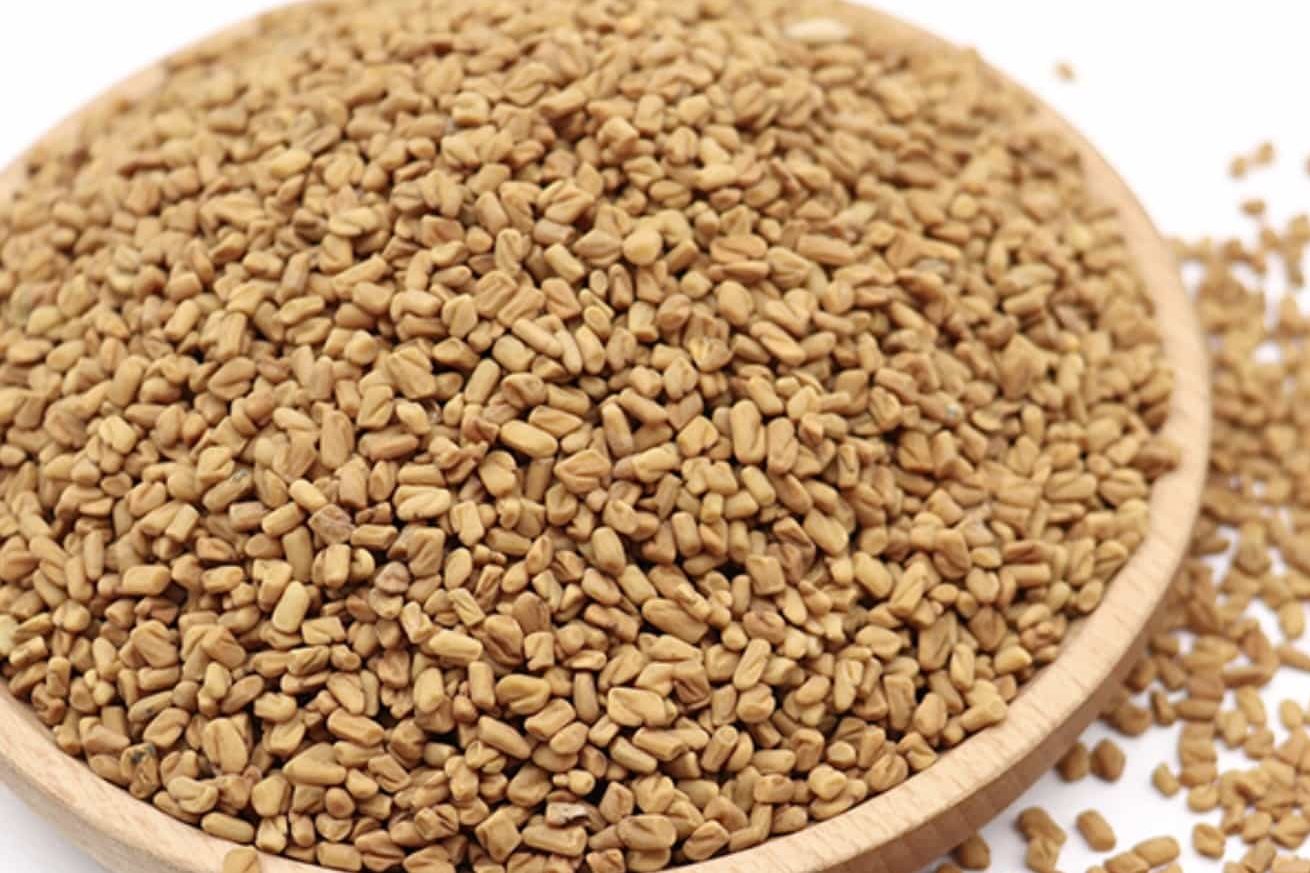
8. Fenugreek – Hú Lu Bā (葫芦巴)
Fenugreek isn’t native to China, but it’s been part of the Chinese pharmacopoeia for centuries under the name Hu Lu Ba, classified as a Kidney Yang tonic used mainly for cold-type lower abdominal and testicular pain. It’s this Kidney-tonifying reputation, more than a specific sexual indication, that led practitioners to it historically – but it’s become one of the more actively researched herbs for male hormonal health in the last decade.
Several placebo-controlled human trials have looked specifically at fenugreek extract and testosterone or libido outcomes. A 12-week randomised trial of 95 men aged 40-80 found that saliva testosterone increased significantly more with fenugreek extract than with placebo, with the highest dose producing a 19.6% increase, although the effect on blood plasma testosterone didn’t reach statistical significance versus placebo. A separate open-label study of a different fenugreek extract in 50 men over 12 weeks reported improvements in testosterone levels, sperm profile, and self-reported libido and sexual health, alongside favourable changes in cholesterol markers – though without a placebo arm, this study can’t rule out a placebo effect on its own. In women, a randomised trial of a fenugreek extract over two menstrual cycles reported improvements on validated sexual function measures compared to placebo.
Fenugreek is a good example of a herb where the modern research is arguably ahead of its traditional Chinese medicine reputation – it’s been folded into the Kidney Yang tonic category, but most of its recent evidence base comes from Western andrology research rather than TCM clinical trials.
Why Chinese Medicine Rarely Prescribes Just One Herb
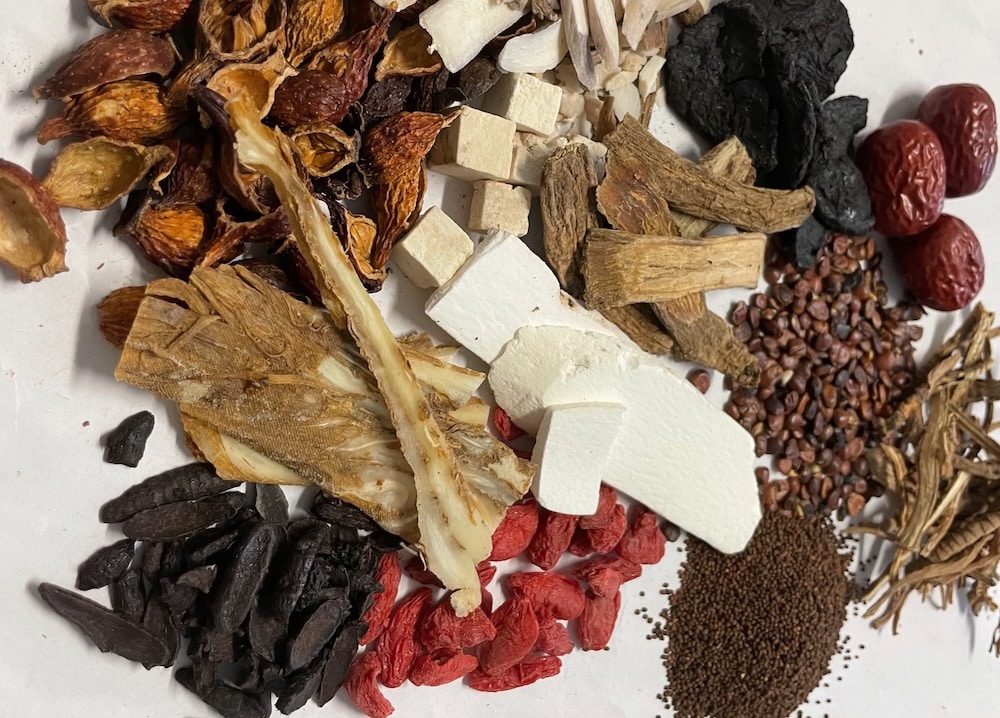
Chinese herbal formula for fertility
I want to flag something important: everything above describes single herbs studied in isolation, but that’s not really how Chinese herbal medicine works in practice. In the clinic, herbs like these are almost always combined into a formula, and which herbs go into that formula depends on your individual pattern – whether your presentation looks more like Yang deficiency (cold, fatigue, low drive) or Yin deficiency (restlessness, night sweats, a “wired but tired” feeling), and what else is going on for you physically and emotionally.
This is also why I’d be cautious about anyone reaching for a single herb off a supplement shelf and expecting a specific result. The traditional use of these herbs, and the way the research is designed, both assume a level of individualisation that a generic capsule can’t replicate.
Safety Considerations
A few things worth being aware of before considering any of these herbs:
Medication interactions. Epimedium’s proposed PDE5-inhibiting mechanism means it shouldn’t be combined with erectile dysfunction medications or nitrate medications without medical guidance. Several of these herbs also affect liver enzymes involved in drug metabolism.
Hormone-sensitive conditions. Because a number of these herbs (Epimedium, Cistanche, Cordyceps, Ginseng, Goji, Tribulus, fenugreek) are thought to influence hormone levels, they warrant extra caution in anyone with a hormone-sensitive condition, or who is pregnant or breastfeeding.
Quality and sourcing matter. Raw herb quality, processing method, and dosage vary enormously between products, which is part of why clinical results in the research are so inconsistent.
This isn’t a substitute for medical assessment. Persistent low libido or erectile difficulty can have cardiovascular, hormonal, psychological, or medication-related causes that deserve proper investigation, not just herbal management.
A Note From Dr. Zeng
Questions about libido and sexual function are some of the most common (and most under-discussed) reasons patients come to see me. There’s often a story underneath the symptom: chronic stress, poor sleep, a period of illness or overwork, or simply getting older. Herbal medicine can be a genuinely useful part of addressing that, but it works best as part of a proper diagnosis and a tailored formula, not as a single ingredient picked off a list.
If this is something you’re navigating, I’d encourage you to come in for a consultation rather than self-treating – we can talk through what’s actually going on and build a plan around it, at either our Coburg or Ringwood clinic. And if libido or sexual function has come up alongside trying to conceive, it’s worth having a look at our pages on fertility acupuncture, natural fertility acupuncture, and IVF acupuncture support, since a lot of the same Kidney-tonifying herbs and principles apply.
Frequently Asked Questions
Are these herbs safe to take together?
Not necessarily. Several of these herbs affect similar pathways (hormone levels, liver enzymes, blood flow), and combining them without guidance can increase the risk of side effects or interactions with medications. A practitioner can advise on safe, appropriate combinations for your situation.
How long does it take to notice an effect?
Traditionally, Chinese herbal tonics are taken over weeks to months rather than as a one-off dose – they’re framed as building underlying vitality rather than providing an immediate effect. The clinical trials referenced above generally ran from several weeks to a few months.
Can women use these herbs too?
Yes – several of the herbs above (Epimedium, Cistanche, Goji berry, Schisandra, Tribulus, fenugreek) are traditionally used for both men and women, and some of the more recent clinical trial research (including for Tribulus and fenugreek in women, and ginseng in menopausal sexual function) has focused specifically on women. The appropriate formula still depends on individual presentation.
Do I need a diagnosis before trying Chinese herbal medicine for this?
I’d strongly recommend it. Low libido and sexual difficulty can stem from a wide range of causes, and a proper intake helps identify which pattern (or combination of patterns) you’re dealing with, as well as ruling out anything that needs separate medical attention.
References
Chiu JH, Chen KK, Chien TM. Epimedium brevicornum Maxim extract relaxes rabbit corpus cavernosum through multitargets on nitric oxide/cyclic guanosine monophosphate signaling pathway. Int J Impot Res. 2006 Jan.
Epimedium extract [Internet]. In: ScienceDirect Topics. Amsterdam: Elsevier; [cited 2026 Aug 18]. Available from: https://www.sciencedirect.com/topics/pharmacology-toxicology-and-pharmaceutical-science/epimedium-extract
Niu R, et al. Deciphering the myth of icariin and synthetic derivatives in improving erectile function from a molecular biology perspective: a narrative review. Transl Androl Urol. 2022 Jun 23. Available from: https://tau.amegroups.org/article/view/97001/html
Chemical composition, pharmacological effects, and parasitic mechanisms of Cistanche deserticola: an update [Internet]. ScienceDirect; 2024 Jun 7 [cited 2026 Aug 18]. Available from: https://www.sciencedirect.com/science/article/pii/S0944711324004665
Functional study of Cordyceps sinensis and cordycepin in male reproduction: a review [Internet]. ScienceDirect; 2016 Dec 8 [cited 2026 Aug 18]. Available from: https://www.sciencedirect.com/science/article/pii/S102194981630182X
Singh M, Tulsawani R, Koganti P, Chauhan A, Manickam M, Misra K, et al. Cannabigerol (CBG) products and methods of use [patent document]. Washington (DC): US Patent and Trademark Office. Available from: https://image-ppubs.uspto.gov/dirsearch-public/print/downloadPdf/12274727
Korean red ginseng may aid in erectile dysfunction, but better quality trials are needed [Internet]. Austin (TX): American Botanical Council, HerbalGram HerbClip; [cited 2026 Aug 18]. Available from: https://www.herbalgram.org/resources/herbclip/issues/2008/bin_364/review100581-364/
Schisandra chinensis 五味子 (Wuweizi, Chinese Magnoliavine) [Internet]. ResearchGate; 2015 May 17 [cited 2026 Aug 18]. Available from: https://www.researchgate.net/publication/300631660
GojiMax – recent studies [Internet]. London: Chemist Direct; [cited 2026 Aug 18]. Available from: https://www.chemistdirect.co.uk/gojimax-recent-studies
The effects of Lycium barbarum polysaccharide on oxidative stress and sperm health in varicocele patients: a randomized clinical trial [Internet]. ScienceDirect; 2025 Sep 25 [cited 2026 Aug 18]. Available from: https://www.sciencedirect.com/science/article/abs/pii/S0040816625004422
de Oliveira Vilar Neto J, de Moraes WMAM, Pinto DV, da Silva CA, Caminha JSR, Nunes Filho JCC, et al. Effects of Tribulus (Tribulus terrestris L.) supplementation on erectile dysfunction and testosterone levels in men — a systematic review of clinical trials. Nutrients. 2025;17(7):1275.
Tribulus terrestris for female sexual dysfunction: a systematic review [Internet]. PMC; [cited 2026 Aug 18]. Available from: https://pmc.ncbi.nlm.nih.gov/articles/PMC10316844/
Lee-Ødegård S, Gundersen TE, Drevon CA. Effect of a plant extract of fenugreek (Trigonella foenum-graecum) on testosterone in blood plasma and saliva in a double blind randomized controlled intervention study. PLoS One. 2024;19(9):e0310170.
Sankhwar SN, Kumar P, Bagchi M, Rungta M, Bagchi D. Safety and efficacy of Furosap®, a patented Trigonella foenum-graecum seed extract, in boosting testosterone level, reproductive health and mood alleviation in male volunteers. J Am Nutr Assoc. 2023;42(1):27-35.
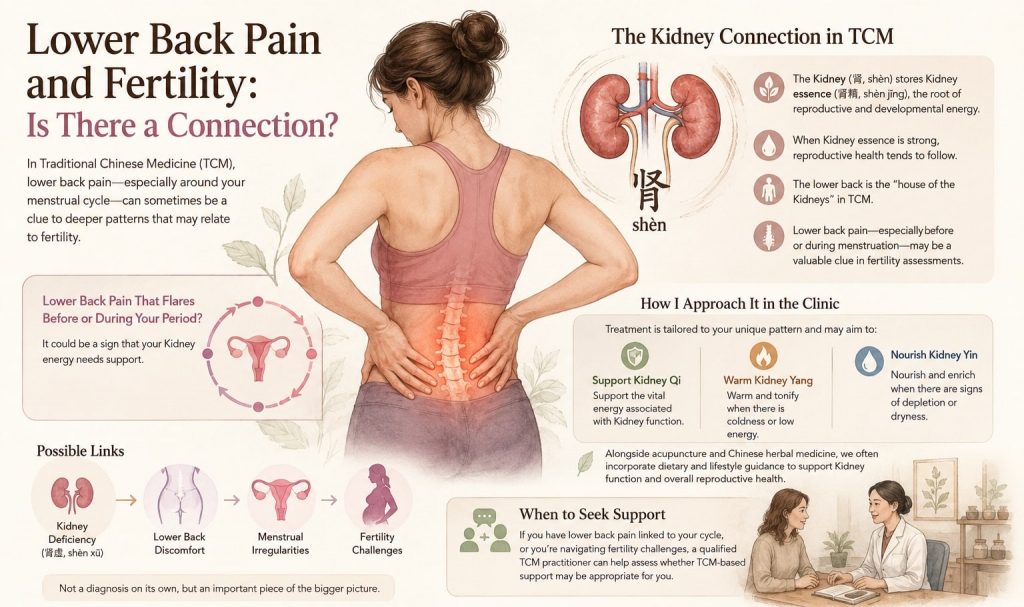
Lower back pain is something most of us will experience at some point – studies suggest it affects around 90% of people during their lifetime. We usually put it down to a strain, an old injury, or too many hours hunched over a desk. But in my clinical experience, and in Traditional Chinese Medicine (TCM) more broadly, lower back pain – particularly around the menstrual cycle – can sometimes point to something deeper: a possible link with fertility.
The Kidney connection in TCM
In TCM, the Kidney (肾, shèn) is about much more than urinary function. It’s considered the root of the body’s reproductive and developmental energy, storing what’s known as Kidney essence (肾精, shèn jīng). When Kidney function is strong, reproductive health tends to follow. When Kidney essence is depleted – a pattern we describe as Kidney Deficiency (肾虚, shèn xū) – it may correspond with fertility challenges in some patients.
The lower back is considered the “house of the Kidneys” in TCM theory, which is part of why persistent lower back pain – especially pain that flares before or during menstruation – is something I pay close attention to in a fertility consultation. It doesn’t mean a diagnosis on its own, but it can be a useful clue when we’re building a fuller picture of someone’s reproductive health.
How I approach it in the clinic
When a patient presents with lower back pain alongside fertility concerns, my approach usually involves acupuncture and Chinese herbal medicine, tailored to the individual’s presentation. This applies whether someone is trying to conceive naturally or alongside IVF. Depending on the pattern involved, treatment may aim to:
Support Kidney Qi – the vital energy associated with Kidney function
Warm Kidney Yang – where a pattern of coldness or low energy is present
Nourish Kidney Yin – where signs of depletion or dryness are present
Improve Qi and Blood flow – where a pattern of Qi and Blood stagnation (气血瘀滞, qì xuè yū zhì) is contributing to pain or poor circulation to the reproductive organs
At Almond Wellness Centre, treatment plans are personalised rather than one-size-fits-all. Alongside acupuncture and herbal medicine, we often incorporate dietary and lifestyle guidance, since these can also influence Kidney function and overall reproductive health.
When to seek support
If you’ve noticed lower back pain that seems connected to your menstrual cycle, or you’re navigating fertility challenges and wondering whether there’s more going on beneath the surface, it may be worth having a conversation with a qualified practitioner. Our women’s health acupuncture service takes this kind of full-picture approach, and a proper assessment can help clarify whether TCM-based support is appropriate for your situation, alongside any care you’re already receiving.
This article is general information based on Traditional Chinese Medicine theory and clinical experience, and is not a substitute for individual medical advice. If you have concerns about fertility or persistent pain, please consult your GP or fertility specialist.
Polycystic ovary syndrome (PCOS) is one of the most common reasons women come to see me at the clinic, whether they’re dealing with irregular periods, absent ovulation, trying to conceive, or managing the metabolic side of PCOS. It’s also a condition I get asked about constantly:
does acupuncture actually do anything for PCOS, or is it just wishful thinking?
A narrative review published this month in the International Journal of Women’s Health (July 2026) took a close look at exactly this question. Rather than cherry-picking studies that support acupuncture, the authors set out to sort the evidence by how direct and reliable it actually is — separating solid human clinical data from promising animal research, and animal research from studies on completely different conditions being used to fill in the gaps. I think that kind of honesty is rare in this space, and it’s worth walking you through what they found.
PCOS is more than an ovary problem
Before getting to acupuncture, it’s worth understanding why PCOS is so stubborn to treat. The review frames it as a whole-system issue – what researchers call a neuroendocrine-immune network problem – rather than something happening in isolation in the ovaries.
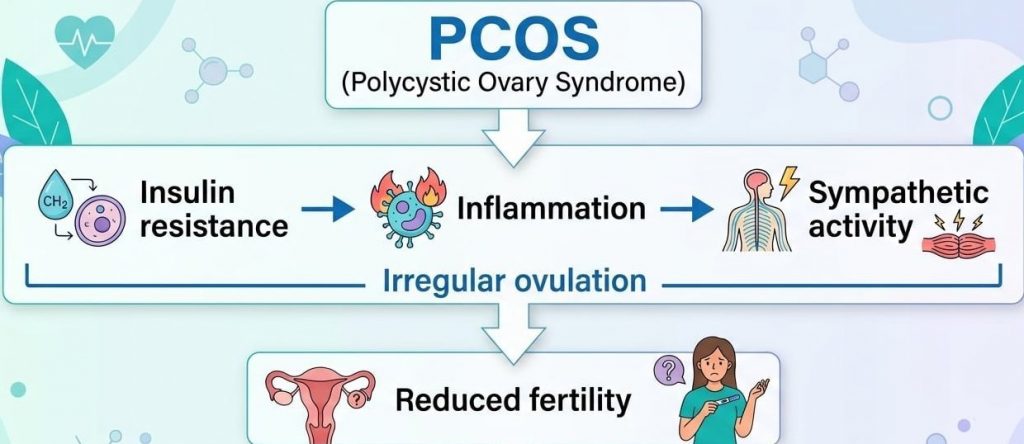
In PCOS, the signalling between the brain and the ovaries (the hypothalamic-pituitary-ovarian axis) tends to run too fast, pushing luteinising hormone (LH) up and leaving follicle-stimulating hormone (FSH) relatively low. That imbalance interferes with follicles developing properly and pushes androgen production up, which then feeds back and speeds the whole cycle up again. Layered on top of that, many women with PCOS also have an overactive sympathetic nervous system (the “fight or flight” side), low-grade chronic inflammation, and insulin resistance – and all three tend to reinforce each other. It’s a genuinely tangled picture, which is part of why no single treatment, acupuncture included, is likely to be a silver bullet.
In TCM terms, this cluster of imbalance and stagnation is often connected to patterns like Phlegm-Damp (痰湿, tán shī) or Kidney deficiency (肾虚, shèn xū) — different language for a similar idea, that the body’s regulatory systems have gotten out of sync.
Here’s a simplified picture of how these pieces feed into one another:
Where the evidence for acupuncture is strongest
The review is refreshingly specific about which effects are backed by solid human trials and which are still hopeful extrapolation from animal studies. Two areas stood out as having the most direct clinical support:
Sympathetic nervous system activity
A randomised controlled trial found that low-frequency electroacupuncture over 16 weeks meaningfully reduced sympathetic nerve activity in women with PCOS, with results comparable to a structured aerobic exercise program. Since sympathetic overactivity is thought to be one of the drivers of PCOS, calming this system down is a genuinely encouraging finding.
Insulin resistance
Several human trials, including a three-arm randomised study comparing acupuncture with metformin, found modest improvements in insulin sensitivity markers (like HOMA-IR) after a course of acupuncture. Given how tightly insulin resistance is linked to androgen excess and ovulatory problems in PCOS, this is a meaningful area of support — though the review is careful to note the effect sizes vary a lot between studies and aren’t as strong or consistent as a first-line medication.
One interesting point from the review is that many of the stronger clinical studies used low-frequency electroacupuncture rather than manual acupuncture alone. Electroacupuncture involves attaching a gentle electrical current to acupuncture needles after insertion, providing consistent stimulation throughout the session. This doesn’t mean manual acupuncture is ineffective, but it does mean the results of these studies may not always translate directly to every acupuncture protocol used in clinical practice – it’s worth asking your practitioner which approach they’re using and why.
Where the picture is more promising than proven
This is the part I appreciate most about the review: it doesn’t pretend the exciting mechanistic story is the same as clinical proof.
A lot of the more detailed explanations you’ll read about how acupuncture might help PCOS – things like rebalancing immune cells in the ovary, correcting the “window of implantation” in the uterine lining, or reprogramming inflammatory pathways at a cellular level – come almost entirely from studies in rats and mice, or from research on completely different conditions like general implantation failure. These are legitimate and interesting research directions, but they’re not the same as evidence that acupuncture does these things in real women with PCOS. The review is explicit that human data confirming these deeper immune mechanisms is largely absent.
On the reproductive outcomes that matter most to patients – actual pregnancy, ongoing pregnancy, and live birth – the evidence is genuinely mixed. One large multicentre trial did not find that acupuncture improved live birth rates when added to standard fertility care. A smaller study on IVF embryo transfer reported better embryo quality and live birth rates, but this hasn’t been consistently reproduced elsewhere, so it should be read as an interesting early signal rather than a proven benefit.
What this means if you’re considering acupuncture for PCOS
When performed by an AHPRA-registered practitioner using sterile, single-use needles, acupuncture is generally considered safe and is commonly used alongside conventional fertility care.
If you’re navigating PCOS, here’s how I’d summarise where things stand:
Acupuncture is not a substitute for guideline-based PCOS care – lifestyle management, and where appropriate, pharmacological or fertility treatment recommended by your GP, endocrinologist, or fertility specialist.
There’s reasonably good evidence that acupuncture, particularly electroacupuncture, may help calm an overactive sympathetic nervous system and support insulin sensitivity – two of the underlying drivers of PCOS.
Evidence for improving menstrual regularity and ovulation remains encouraging but inconsistent across studies, with differences in treatment protocols and study quality making firm conclusions difficult.
Claims about acupuncture “fixing” implantation or fertility outcomes at a cellular level are not yet supported by strong human evidence, however plausible they may sound.
What I find most useful about this kind of research isn’t a green light or a red light – it’s a map. It tells us acupuncture is a reasonable adjunct worth discussing as part of a broader PCOS management plan, and it tells us where the honest gaps are so nobody’s oversold on what a course of treatment can do.
No. PCOS is a chronic condition with no single cure, and acupuncture is best considered a possible adjunct to lifestyle changes and conventional medical care, not a replacement for them.
Does acupuncture help with PCOS-related weight gain and insulin resistance?
Some clinical trials have shown modest improvements in insulin sensitivity markers with acupuncture, though results vary between studies and individuals.
How long does it take to see results from acupuncture for PCOS?
Studies referenced in the review used courses of treatment lasting around 16 weeks, though individual response varies and should be discussed with your practitioner.
Should I stop my PCOS medication if I start acupuncture?
No – please don’t change or stop any prescribed medication without speaking to your GP or specialist first. Acupuncture is generally considered as an adjunct, not a replacement, for evidence-based PCOS treatment.
Reference
Chen S, Xue Z, Song W. Acupuncture in Polycystic Ovary Syndrome: A Narrative Review of Neuroendocrine–Immune Evidence, Reproductive Outcomes, and Evidence Gaps. Int J Womens Health. 2026;18:614225. https://doi.org/10.2147/IJWH.S614225S614225
You stopped the pill a few months ago, expecting your period to return fairly quickly.
But weeks have passed. Then months.
Now you’re wondering:
“Is this normal?”
“Did the pill damage my fertility?”
“Should I be worried?”
These are some of the most common questions we hear at Almond Wellness Centre.
The good news is that in most cases, post-pill amenorrhea is temporary and does not mean you have become infertile. However, if your period hasn’t returned after several months, it’s also important not to ignore it.
Understanding the difference between a normal adjustment period and an underlying hormonal issue is the key.
What Is Post-Pill Amenorrhea?
Post-pill amenorrhea refers to the absence of menstruation for three months or longer after stopping oral contraceptive pills.
It is a type of secondary amenorrhea, meaning periods have stopped after previously occurring.
One thing many women are never told is that the monthly bleeding experienced while taking the pill is not a true menstrual period. It is a withdrawal bleed caused by a temporary drop in synthetic hormones.
Because of this, regular bleeding while on the pill doesn’t necessarily tell us whether natural ovulation was occurring underneath.
When the pill is stopped, your body’s own hormonal cycle has to take over again.
For most women, it does.
For some, it takes longer than expected.
How Common Is It?
Short-term cycle irregularity after stopping the pill is actually quite common.
Research suggests that many women experience temporary delays or irregular cycles during the first one to two months after discontinuing oral contraceptives.
True post-pill amenorrhea, where periods do not return for three months or more, is estimated to affect approximately 1-3% of women after stopping the pill.
Although that percentage sounds small, it represents a significant number of women looking for answers about why their cycle has not resumed.
Why Doesn’t My Period Come Back Immediately?
While you’re taking the pill, your body’s reproductive hormone system is largely placed on pause.
The pill suppresses ovulation by influencing communication between:
The hypothalamus
The pituitary gland
The ovaries
Together, these form what doctors call the Hypothalamic-Pituitary-Ovarian (HPO) Axis.
After stopping the pill, this hormonal communication network must restart.
The hypothalamus begins releasing GnRH again, the pituitary produces FSH and LH, and the ovaries gradually resume ovulation.
For most women this process takes between four and eight weeks.
For others, it simply takes longer.
This delay alone is not necessarily a sign that something is wrong.
The Most Important Thing Most Women Aren’t Told
In many cases, the pill isn’t causing the problem.
It’s revealing a problem that was already there.
Many women originally started the pill because they had:
Irregular periods
Painful periods
Acne
Suspected PCOS
Heavy bleeding
While on the pill, these issues may appear to disappear because the medication creates an artificial cycle.
When the pill is stopped, the original pattern often returns.
This is known as the “unmasking effect.”
In other words, the pill may have been hiding an underlying condition rather than causing a new one.
Conditions That May Become Apparent After Stopping the Pill
Polycystic Ovary Syndrome (PCOS)
PCOS is one of the most common reasons periods fail to return after stopping oral contraceptives.
Many women are diagnosed only after discontinuing the pill and noticing absent or highly irregular cycles.
Hypothalamic Amenorrhea
This occurs when the brain temporarily suppresses reproductive function due to:
Chronic stress
Under-eating
Significant weight loss
Excessive exercise
The body essentially decides that conditions are not ideal for reproduction.
Thyroid Disorders
Both underactive and overactive thyroid conditions can interfere with ovulation and menstrual cycles.
Elevated Prolactin
High prolactin levels can suppress ovulation and prevent regular periods from occurring.
Premature Ovarian Insufficiency (POI)
Although less common, POI should be considered, especially in women over 35 experiencing symptoms such as:
Hot flushes
Night sweats
Vaginal dryness
Reduced ovarian reserve
Most women with post-pill amenorrhea do not have these conditions.
However, they are important reasons why prolonged absence of periods deserves investigation.
When Should You Seek Medical Advice?
First 6 Weeks
No period is generally considered normal.
At this stage, your body is still adjusting.
If pregnancy is possible, take a pregnancy test.
2-3 Months
Many women are still within a normal adjustment window.
Monitoring is appropriate.
Around 3 Months
If your period has not returned, it is reasonable to speak with your GP and discuss whether further assessment is needed.
Around 6 Months
If periods have still not returned after six months, formal investigation is strongly recommended.
At this stage, it is important to identify any underlying cause.
A pelvic ultrasound may also help assess ovarian appearance and endometrial thickness.
These investigations can help identify conditions such as PCOS, thyroid dysfunction, hypothalamic amenorrhea, or premature ovarian insufficiency.
A Traditional Chinese Medicine Perspective
In Traditional Chinese Medicine (TCM), healthy menstruation depends on the smooth flow of Qi and Blood through the Chong Mai and Ren Mai channels, which help regulate reproductive function.
When women present with post-pill amenorrhea, several patterns commonly emerge.
Kidney Yang Deficiency
Often associated with:
Fatigue
Feeling cold
Low motivation
Reduced libido
Blood and Kidney Deficiency
Often seen in women with:
Light periods
Pale complexion
Dizziness
Dry skin
Liver Qi Stagnation
Frequently linked to:
Stress
Emotional tension
Anxiety
Hypothalamic amenorrhea
At Almond Wellness Centre, treatment is always individualised.
Acupuncture and Chinese herbal medicine are selected based on the specific pattern present rather than applying the same treatment to every woman.
Importantly, Chinese medicine should complement appropriate medical assessment, not replace it.
Research suggests acupuncture may support reproductive health by influencing the nervous and endocrine systems, improving blood flow to the reproductive organs, and reducing stress.
A study by Paulus et al. found improved pregnancy rates when acupuncture was used alongside assisted reproductive treatments. Another study by Hullender Rubin and colleagues reported improved IVF outcomes using a whole-systems Traditional Chinese Medicine approach.
While acupuncture is not a guaranteed solution, many women find it a helpful part of a broader plan to restore cycle regularity and support reproductive health.¹²
Frequently Asked Questions
Can the pill permanently affect fertility?
Current evidence does not support this.
Studies consistently show that fertility returns to normal after stopping oral contraceptives, although some women may experience a temporary delay before cycles resume.
How long does it usually take for periods to return?
Most women resume menstruation within four to eight weeks.
The vast majority have resumed cycling by three months.
A sustained temperature rise after mid-cycle often indicates ovulation has occurred, even before periods become regular.
When to Seek Support
If your period has not returned three months after stopping the pill, don’t panic – but don’t ignore it either.
The most helpful next step is often a conversation with your GP and appropriate testing.
If no clear cause is found, or if you’re looking for additional support alongside conventional care, acupuncture and Traditional Chinese Medicine may help support your body’s return to a healthy cycle.
Paulus WE, Zhang M, Strehler E, El-Danasouri I, Sterzik K. Influence of acupuncture on the pregnancy rate in patients who undergo assisted reproduction therapy. Fertility and Sterility. 2002;77(4):721-724.
Hullender Rubin LE, Opsahl MS, Wiemer KE, Mist SD, Caughey AB. Impact of whole systems Traditional Chinese Medicine on in vitro fertilisation outcomes. Reproductive BioMedicine Online. 2015;30(6):602-612.
Last reviewed: June 2026
Author: Dr. Richard Zeng, Fourth-generation Traditional Chinese Medicine practitioner with more than 25 years of clinical experience in fertility and women’s health in Melbourne.