Chemotherapy can sometimes lower your platelet count, which increases the risk of bleeding and other complications. Chinese herbal medicine has been used for centuries to treat various health issues, including low platelet counts. Some scientific evidence suggests that these herbs might help boost platelet counts during chemotherapy, but more research is needed.
How Can Chinese Herbal Medicine Help?
Our registered Chinese medicine practitioners will assess your overall health and make a Pattern Diagnosis based on Chinese medicine principles. They will then recommend an herbal formula and treatment plan tailored to the severity of your low platelet count.
You can use Chinese herbal medicine alongside other treatments, but always under the supervision of a healthcare provider.
Research and Reviews
Shen Cao Granules Study: This study found that Shen Cao granules helped reduce low platelet counts in chemotherapy patients with gastrointestinal cancer. It also shortened the duration of low platelet counts and reduced hospital stays and costs.
Chang Gung Platelet Elevating Formula (CGPEF): A 2018 study on gynecologic cancer patients showed that CGPEF might increase platelet counts during chemotherapy. The study was small, so more research is needed.
Systematic Review and Meta-Analysis: A review of 12 trials found that Chinese herbal medicine could increase platelet counts and reduce bleeding risks in chemotherapy patients. However, more studies are needed to confirm these findings.
Summary
Chinese herbal medicine has traditionally been used to boost platelet counts. Always consult your doctor and a registered Chinese medicine practitioner to ensure safe and effective treatment.
References
Chunfeng Yu et al., “Effects of Shen Cao Granules on Chemotherapy-Induced Thrombocytopenia in Gastrointestinal Cancer Patients: A Randomized Controlled Trial,” Integrative Cancer Therapies, 2019.
Yi-Hong Wu et al., “Use of Chinese Herbal Medicine Improves Chemotherapy-Induced Thrombocytopenia among Gynecological Cancer,” Evid Based Complement Alternat Med, 2018.
Li YX et al., “Effectiveness of Chinese Herbal Medicine in Improving Platelet Count among Patients with Chemotherapy-Induced Thrombocytopenia: A Systematic Review and Meta-Analysis,” BMC Complement Altern Med, 2017.
Recently, there has been a large increase in the number of patients who come to our clinic for neck related symptoms. In addition to neck shoulder and back pain, some people may don’t known that their symptoms are neck related, such as vertigo, dizziness, numbness in the fingers, sore arms, palpitations and anxiety.
Due to Covid-19 restrictions in the past two years, many people get used to use mobile phones at home, and even addict to them. People surf the Internet, and connect others more often on social medias such as facebook, instagram, Wechat, or watch movies/videos on youtube/Tiktok. And, it took a long time.
The use of smartphones can easily lead to neck related diseases for two reasons:
Firstly, the pressure on neck increases.
When using a mobile phone, you lower your head more, and your cervical spine tilts more forward than when you are sitting and looking straight. This increases the pressure on the cervical spine.
Secondly, using a mobile phone is more addictive.
The time spent on the phone is often much longer than you think. Many of our patients use their phones for more than 5-6 hours a day, and it’s not uncommon for some to exceed 12 hours!
Excessive smartphone use can trigger or worsen neck-related symptoms. It has become the new “pandemic” during Covid 19.
Here is a reminder for everyone – Please check your phone’s screen time, preferably no more than 2 hours a day.
COVID-19 has changed the way we live our everyday lives and there is no sign that it will end any time soon. With the periodic and unpredictable lockdowns, we have all had to quickly adapt to this new lifestyle. With more and more online studies, children are using digital devices almost every day. As such, internet dependence/addiction has become a common issue.
Addiction to digital devices causes many bad habits. From losing hours or sleep to losing motivation for fitness and wellbeing, many of our children are spending hours engaging in YouTube or TikTok video clips instead of achieving something more meaningful. These bad habits reduce dopamine production and release, which results in emotional numbness and negative feelings. The rates of anxiety and depression are skyrocketing.
As parents, we want our children to stay away from overuse of electronic devices and feel better. Owing to lockdown, it has become one of the biggest challenges.
Recognise and Accept
Ignoring or trying to change how your kids think or feel won’t work. Lecturing them about their internet usage only creates more fights. Keep in mind that most of them would play sports or meet friends if it were allowed. Allow your children to have and express their feelings in a healthy way if they are anxious, impatient or frustrated. Give time for them to settle. Just being there for them already means a lot. Admitting and accepting that their feelings are true and real can relax their young souls.
11 Ways to Interact with Your Child Under 12
Here are 11 ways for you to interact with children under 12 years to keep them away from digital devices:
Encourage them to write down or draw their present feelings or a place that relaxes your child. (e.g. mountain, ocean, different season.)
Go on a 10 minute walk together.
Listen to music.
Take a bath.
Give every family member a hug.
Play with clay/play-doh (the sensation of touch is engaging and allows them to just be in present moment)
Stretch for 10 minutes.
Read an article or a story.
Dance to and/or sing a song (or a few songs)!
Make a dessert (foods like jelly and egg tarts are simple and easy to make).
Do an experiment (make your own Oobleck: this only uses cornflour, water and some food colour – and it’ll keep your kids occupied for a whole afternoon!).
3-Minute Mindfulness Breathing Exercises To Engage The Five Senses
Mindfulness breathing exercises can help to calm your child. Here is a simple 3-minute exercise for you to do with your child:
Firstly, take a few deep breaths slowly, then
Ask your child to name three things that they can see
Ask your child to name three things that they can hear
Ask your child to name three things that they can feel
Ask your child to name three things that they can smell
Let your child sip some water and ask them to name three feelings while they can feel the water down their throat
5 Topics to Explore Your Teenage Child’s Thoughts
Once your child is in a calmer state of mind, they are more likely to chat with you about how they are feeling. Building a solid relationship between you and your child enables you to participate more in your child’s life.
Below are 5 topics that might be interesting for you to explore more about your teenager children’s thoughts and plan for the future.
How is your child prioritizing their tasks throughout the day?
What are their interests and/or hobbies?
What are their goals for the future in terms of further study or career direction?
Do they need help in setting and achieving study goals?
What do they value in life?
We hope that this article gives you some ideas about how to calm and be present with your child during this chaotic COVID-19 pandemic.
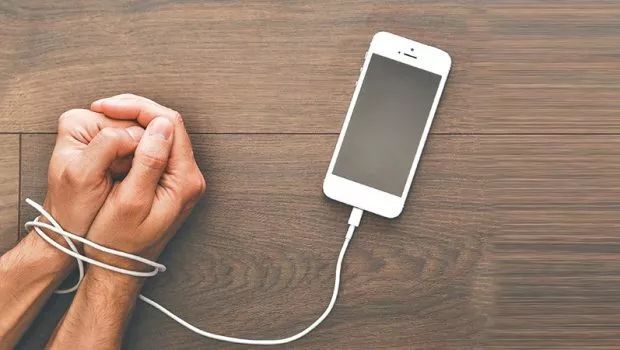
Nowadays, our digital devices provide us with countless entertainment and social platforms at the touch of a button. It is very easy to become addicted. To some extent, we are all aware of the excessive time spent using these devices, but using these digital devices can cost you a lot more than just your time. As you use your devices more and more, they can also prevent you from achieving your goals, whilst slowly eating away your health. Here are some reasons why excessively using your digital devices is harming both your physical and mental health:
1. It steals time and opportunity
How many times have you launched an app to just watch a clip, but end up hours later having watched many clips? When you spend a lot of time engaging in meaningless internet browsing, you’ve wasted time that you could’ve put towards achieving something.
2. You develop bad habits
Each time you struggle to put down your device eats away at your self-discipline. You might start drowning yourself in negative thoughts like “I can’t live without my mobile”, “I cannot quit” and/or “I am not able to control myself”.
3. You give up more easily.
Your passions and interests take a backseat because you are not prioritising your time well. In reality, you’ve just become lazy and justify it with “I am busy with my mobile/PC”.
4. Your social skills decline
Only socialising via digital devices causes one to gradually lose interest in meeting people/friends in person. Over time, you’ll start to notice important habits, such as maintaining proper eye contact, take a dive and affect your social interactions.
5. You’ll lose sleep
Your priorities have shifted, and you’ll sacrifice a healthy night’s sleep in order to play or browse more.
6. It may lead to chronic pain
Without even noticing it, you may be maintaining a particular posture or position for a long time as your use your device. This creates many body aches, which, if not corrected over time, can develop into chronic pain.
7. You may lose touch with reality
Immersing yourself in the internet world for too long can cause you to lose the feeling of reality.
8. You’re at risk for severe medical issues
Your sedentary lifestyle leads to bad metabolism and weight gain. There have been many cases where people die in internet cafés due to playing online games for days without moving.
9. It can cause numbness and negative emotions
Dopamine is well known as the ‘happy hormone’ that the body produces when you have enough sleep, an appropriate amount of exercise and you’re achieving your goals. Using digital devices for too long can increase the risk of imbalanced dopamine release. Over time, a lack of dopamine can result in feelings of numbness, pessimism and boredom with life.
How we use digital entertainment in our everyday life is a serious matter. In order to live a meaningful and creative life, let’s use our devices in a way to enrich, instead of harm, our lives.
In order to ensure that you remain safe while visiting our clinics, we’ve implemented the appropriate measures in our clinics.
Here is our updated Infection Control and Prevention Protocol.
We’ve committed to make sure that you are safe.
Infection control and prevention protocol
All our staffs will:
Self check temperature on arrival of clinic;
Wear mask and gloves at all time;
Wash hands thoroughly after servicing each patient.
All patients:
Screen when making appointment
We will make sure that you are not returned from overseas in the last 14 days, or are suffering from cold or flu symptoms or been in contact with someone who has COVID-19 symptoms.
We will reschedule patients who are currently unwell or have been in contact with someone who has the virus.
Telehealth phone or video consultation is open if you are unable to attend our clinics. Chinese herbal medicine can be dropped in your car while you are waiting. We can also post herbs to your address as your choice.
Screen on arrival of clinic
Check your temperature;
You will be offered a mask to wear;
Hand sanitiser station for anyone attending the clinic. It is important that you wash hands thoroughly during your visit.
Clean – hourly cleaning of all public areas including:
Reception desk/herbal room:
Computer keyboard/mouse/hicaps/ftpos machine, and herbal room desk tables
Waiting room:
Mop floor at least 2 times per day
Toilet – spay wipe with disinfectant every one hour and after each usage
Clinic door handles, waiting room chairs – spray clean after each patient’s visit
Treatment/consultation Room:
Single used disposable cover sheets are used in all treatment;
Chairs/ desk/ treatment bed/table: spray clean with disinfectant after each visit;
Towel: all cover towels are washed and put in the cabinet – not left on treatment tables;
Gowns: wash after each visit and put inside the cabinet;
Face hole cover /paper cover: single sued disposable cover sheet. Change and spray clean the face hole after each patient;
Suction cups: wash and spray wipe with alcohol sanitiser after each using
Social distance
Ensure adequate social distancing by:
Spacing out chairs in waiting room and
Staggering appointment times. Allow adequate time for cleaning as well as appropriate social distancing.