Saturday last week (5th July 2023) American actress Sandra Bullock’s partner Bryan Randall passed away at 57. He battled Amyotrophic Lateral Sclerosis (ALS) privately for 3 years.
What is Amyotrophic Lateral Sclerosis (ALS)?
Amyotrophic Lateral Sclerosis (ALS) also known as Lou Gehrig’s disease, is a progressive and neurodegenerative disorder that affects the nerve cells (neurons) responsible for controlling voluntary muscle movements. ALS primarily involves the motor neurons in the brain and spinal cord, leading to their degeneration and eventual death. As these neurons die, the brain loses the ability to initiate and control muscle movement, leading to muscle weakness, paralysis, and, eventually, respiratory failure.
Main Symptoms of ALS
Muscle weakness: Initial symptoms often include weakness in the limbs, which may affect the ability to walk, grasp objects, speak, or swallow.
Muscle cramps and twitching: Individuals with ALS may experience muscle cramps and fasciculations (muscle twitching).
Difficulty speaking and swallowing: As the disease progresses, speech and swallowing become challenging.
Muscle atrophy: Affected muscles begin to shrink due to the lack of nerve stimulation.
Difficulty breathing: In later stages, respiratory muscles become affected, leading to breathing difficulties.
Causes
The exact cause of ALS is not fully understood, but it is believed to be a combination of genetic and environmental factors. In some cases, ALS can be linked to specific genetic mutations. However, the majority of cases appear to be sporadic with no clear genetic inheritance pattern.
Diagnosis
Diagnosing ALS can be complex and involves ruling out other conditions with similar symptoms. The process usually includes a thorough neurological examination, electromyography (EMG), nerve conduction studies, MRI scans, and blood tests. A diagnosis of ALS is typically made based on clinical observations and the exclusion of other possible causes.
Treatment
As of my knowledge cutoff in September 2021, there is no cure for ALS, and treatment mainly focuses on managing symptoms and improving the patient’s quality of life. Medications, such as riluzole and edaravone, may help slow disease progression and provide some symptom relief. Physical therapy, occupational therapy, and speech therapy can assist in maintaining mobility and communication. Devices like ventilators may be used to support breathing in later stages of the disease.
ALS and Traditional Chinese medicine
There is limited scientific evidence to suggest that Traditional Chinese Medicine (TCM) may provide some symptom relief for individuals with Amyotrophic Lateral Sclerosis (ALS). It’s important to note that TCM is a holistic system that aims to restore balance and harmony within the body, and individual responses to TCM treatments can vary.
Some of the ALS symptoms that TCM may potentially address include:
Muscle Cramps and Twitching: Certain herbal remedies and acupuncture may help alleviate muscle cramps and fasciculations.
Pain: TCM treatments, such as acupuncture and herbal medicines, have been used traditionally to manage pain associated with various conditions, including neurological disorders like ALS.
Stress and Anxiety: TCM practices, such as acupuncture and meditation techniques, may help reduce stress and anxiety levels, providing some relief to individuals with ALS who may experience emotional distress.
Improving General Well-Being: TCM treatments often focus on supporting the overall well-being of an individual, which may contribute to an improved sense of quality of life.
It is essential to understand that TCM should not be considered a substitute for evidence-based medical treatments for ALS. ALS is a severe and progressive neurological disorder, and while TCM practices may offer some symptomatic relief or complementary support, there is no cure for the disease through TCM alone.
If someone with ALS is interested in exploring TCM or other complementary therapies, it is crucial that they consult with their healthcare team, including a qualified TCM practitioner, to ensure that these treatments are safe and do not interfere with any existing medical interventions.
Since research and medical knowledge are continuously evolving, it is advisable to consult updated sources and medical professionals for the most recent information regarding ALS treatments and complementary therapies.
How to choose TCM for ALS
When considering the use of Chinese herbal tea as a complementary approach for managing ALS symptoms, it’s crucial to work with a qualified and experienced TCM practitioner. They will take into account the individual’s overall health, specific symptoms, constitution, and any other relevant factors before recommending specific herbs or herbal formulas.
Here are some points to keep in mind:
Consultation with a TCM Practitioner
A TCM practitioner will conduct a thorough assessment to determine the pattern of disharmony or syndrome that best matches the individual’s condition. This involves examining symptoms, pulse, tongue appearance, and other diagnostic methods.
Herb Selection and Formula Creation
Based on the assessment, the TCM practitioner will select appropriate herbs and create a herbal formula tailored to the individual’s needs. The formula may consist of multiple herbs that work synergistically to address specific imbalances.
Quality and Safety
It’s crucial to use high-quality herbs from reputable sources to ensure their safety and effectiveness. Working with a qualified TCM practitioner helps ensure that the herbs are properly sourced and prepared.
Monitoring and Adjustment
TCM treatments are often adjusted over time as the individual’s condition changes. Regular follow-ups with the TCM practitioner are important to assess progress and make any necessary modifications to the treatment plan.
Integration with Conventional Care
TCM should not replace conventional medical treatments for ALS. It can be considered a complementary approach to help manage symptoms and improve well-being alongside standard medical care.
Communication with Medical Team
It’s important for individuals with ALS to maintain open communication between their TCM practitioner and their medical doctors. This ensures that all healthcare providers are aware of the treatments being pursued and can collaborate to provide comprehensive care.
Reference
Significant Neurological Improvement in Two Patients with Amyotrophic Lateral Sclerosis After 4 Weeks of Treatment with Acupuncture Injection Point Therapy Using Enercel
Author links open overlay panelShan Liang 1, David Christner 2, Stephanie Du Laux 2, Dariel Laurent. Journal of Acupuncture and Meridian Studies. Volume 4, Issue 4, December 2011, Pages 257-261
Erik K Koda, Acupuncture for Managing Amyotrophic Lateral Sclerosis. Med Acupunct 2021 Feb 1;33(1):103-106. doi: 10.1089/acu.2020.1474. Epub 2021 Feb 16.
Poovadan Sudhakaran, Amyotrophic Lateral Sclerosis: An Acupuncture Approach, Med Acupunct. 2017 Oct 1; 29(5): 260–268.
Mudan Cai , Eun Jin Yang, Complementary and alternative medicine for treating amyotrophic lateral sclerosis: A narrative review. Integr Med Res. 2019 Dec;8(4):234-239
The absence of your period (amenorrhea) is more than a missed cycle – it’s a sign from your body that something is out of balance. If you’re trying to conceive, it can feel especially discouraging. At Almond Wellness Centre in Melbourne, we provide acupuncture and Chinese medicine to treat the root causes of amenorrhea, support healthy ovulation, and enhance your fertility naturally.
Understanding Amenorrhea and Anovulation
Amenorrhea is the medical term for a lack of menstruation. It can be classified into two types:
Primary Amenorrhea: When a young woman has not had her first period by age 15.
Secondary Amenorrhea: When a woman with previously regular cycles stops menstruating for three or more months.
Both types can be caused by various factors, including hormonal imbalances, stress, and lifestyle factors. When a woman doesn’t ovulate, a condition known as anovulation, it is often a key cause of infertility.
Common Causes of Amenorrhea and Anovulation
Our holistic approach focuses on identifying and treating the root cause of your symptoms. The most common causes we see include:
Hormonal Imbalances: Disruptions in estrogen, progesterone, or thyroid hormones can prevent ovulation and menstruation.
PCOS & Premature Ovarian Failure (POF): Both conditions disrupt the menstrual cycle. Our approach helps to nourish ovarian function and naturally balance hormones.
Stress & Lifestyle: Excessive stress, intense exercise, poor nutrition, and weight fluctuations can all impact reproductive health.
Post-Pill Amenorrhea: Stopping oral contraceptive pills (OCPs) can temporarily disrupt the menstrual cycle. This condition, known as post-pill amenorrhea, occurs due to: 1. hormonal readjustment as the body transitions from synthetic hormones; 2. Withdrawal from continuous hormonal regulation. 3. Individual differences in how quickly the body restores ovulation. If menstruation does not return after several months, acupuncture and Chinese herbal medicine may assist in regulating hormonal balance.
Traditional Chinese Medicine (TCM) for Amenorrhea and Anovulation
TCM views amenorrhea as a symptom of an underlying imbalance in the body’s energy (Qi) and Blood. Our goal is to restore this balance, which naturally encourages the return of a regular, healthy cycle.
Acupuncture
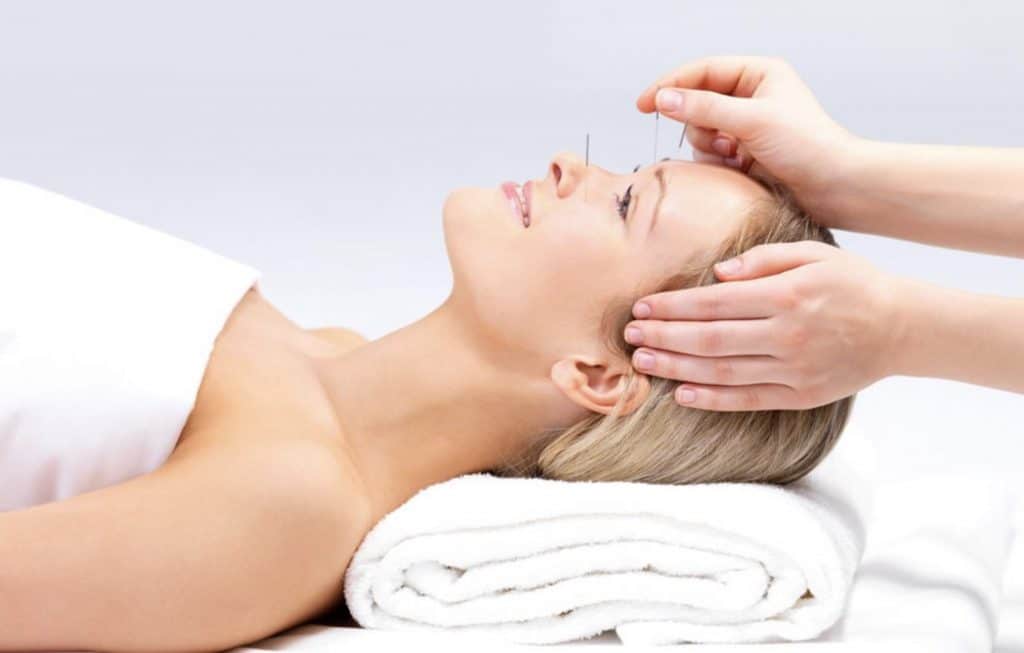
Acupuncture helps improve blood flow to the reproductive organs, support healthy hormonal function, and calm the nervous system. By stimulating specific points, it encourages the body to restore a regular menstrual cycle and promote ovulation.
Chinese Herbal Medicine
Our practitioners may prescribe customised herbal formulas to nourish the blood, support hormonal function, and promote menstrual health. Commonly used herbs include:
Chinese motherwort (Leonurus japonicus) – Promotes blood flow and menstrual regularity
Tribulus terrestris – Supports ovulation and improves ovarian function
Holistic Support
In addition to our clinic treatments, we provide personalised dietary and lifestyle recommendations to support your reproductive health, including:
Nutrient-dense foods to support hormonal function.
Stress management techniques like meditation or Tai Chi.
Moderate exercise to maintain balance without excessive strain.
TCM Treatment Approach & What to Expect
Assessment: Detailed health history including cycles, symptoms, lifestyle, labs if available.
Personalised Plan: Number, frequency of acupuncture & herbal sessions depend on the cause (e.g. PCOS vs post-pill vs POF).
Timeline: Some women start to see changes (lighter flow, spotting) within a few sessions; more lasting results often seen over 8-12 weeks.
Ongoing Support: Maintenance treatments and supporting practices to prevent relapse.
Why Choose Almond Wellness Centre?
Experienced practitioners: experienced in fertility, amenorrhea & women’s health.
Dual clinic locations: (Coburg & Ringwood) in Melbourne.
Combined acupuncture, herbal medicine & holistic lifestyle support.
Natural, evidence-informed approach with full health history & personalised care.
FAQs
Q: Is acupuncture effective for post-pill amenorrhea or hormonal imbalances?
A: Research and clinical reports suggest acupuncture may help support the return of regular menstrual cycles and hormonal balance in some women with amenorrhea or cycle irregularities. While studies do not focus specifically on post-pill amenorrhea, acupuncture has been shown to influence the hypothalamic–pituitary–ovarian axis, which plays an important role in hormonal regulation.(Cochrane et al., 2014, Evidence-Based Complementary and Alternative Medicine)
Q: How many treatments will I need to see results?
A: Many clients notice subtle changes after 3-4 sessions. For more established amenorrhea, 8-12 weekly sessions with herbal support tend to provide more lasting restoration.
Q: Can TCM help if I have PCOS or premature ovarian insufficiency (early ovarian failure)? A: Some clinical studies and systematic reviews suggest acupuncture and Chinese herbal medicine may support hormone regulation, menstrual regulation and aspects of ovarian function in people with PCOS or Premature Ovarian Insufficiency (POI). (Selected sources: Cochrane-style and systematic reviews on acupuncture/CHM for reproductive disorders. Frontiers). We do have some cases having positive results with POI with acupuncture TCM treatment. However, individual responses vary, and current research has limitations. Any TCM care should be discussed with your medical team and tailored to your clinical situation.
Take the Next Step
If amenorrhea, irregular cycles, or fertility concerns are impacting your life, reach out. Our Ayurveda/TCM practitioners in Coburg & Ringwood, Melbourne are ready to hear your story, assess your needs, and work with you to restore balance.
Fill out the contact form, or simply call us to 📞 Book your appointment today.
The weeks and months after childbirth are a beautiful yet demanding time of transition. At Almond Wellness Centre, we understand that caring for yourself is just as important as caring for your new baby. Our Chinese medicine practitioners in Melbourne feel honoured to support new mothers during this special chapter.
Understanding the Postpartum Period in Chinese Medicine
In Chinese medicine, the postpartum period is seen as a time of unique vulnerability and opportunity. Your body has undergone tremendous change, and now requires gentle support to restore balance and vitality. Many new mothers find acupuncture and Chinese herbal medicine offer comforting, holistic approaches to postpartum recovery.
Supporting Physical Recovery After Birth
After delivery, your body needs time and care to heal. Acupuncture and Chinese herbal medicine may help support:
Comfort and recovery from birth-related soreness
Restoring energy levels and addressing fatigue
Supporting the body’s natural healing processes
Managing common postpartum discomforts
Many women appreciate having dedicated time for self-care during acupuncture sessions, allowing them to focus on their own wellbeing.
Nurturing Emotional Balance
The emotional landscape of new motherhood can be complex. Hormonal changes, sleep disruption, and the demands of caring for a newborn can affect your mood and sense of balance.
Acupuncture and Chinese herbal medicine may help support:
Emotional wellbeing during transition
Relaxation and stress management
Adaptation to new routines and responsibilities
Overall sense of centeredness
Research, including studies published in biomedical journals, has explored acupuncture’s potential role in supporting emotional health during the postpartum period.
Lactation and Breastfeeding Support
Many new mothers seek gentle approaches to support their breastfeeding journey. Chinese medicine offers traditional approaches that may help with:
Supporting healthy milk supply
Addressing common breastfeeding challenges
Overall maternal wellbeing during lactation
Some studies have investigated traditional Chinese approaches to lactation support, and many women find these gentle methods complement their breastfeeding experience.
Restoring Energy and Vitality
The demands of new motherhood can be exhausting. Chinese medicine approaches aim to support your body’s natural energy restoration through:
Gentle acupuncture to support vitality
Individualised herbal formulas tailored to your needs
Dietary and lifestyle guidance based on Chinese medicine principles
Supporting overall balance during recovery
Personalised Postpartum Care in Melbourne
At Almond Wellness Centre, we recognise that every mother’s journey is unique. Our registered practitioners take time to understand your individual experience and create personalised care plans that may include:
Acupuncture sessions
Chinese herbal medicine (when appropriate)
Dietary and lifestyle suggestions
Ongoing support as needed
We welcome you to our welcoming clinics in Coburg and Ringwood, where we provide a calm, supportive environment for your postpartum recovery.
Frequently Asked Questions
Q: How soon after birth can I start acupuncture?
A: Many women begin acupuncture within the first few weeks after delivery, but the timing depends on your individual recovery and birth experience. We recommend consulting with your healthcare provider and then we can create a plan that respects your healing process.
Q: Are Chinese herbs safe while breastfeeding?
A: When prescribed by a registered Chinese medicine practitioner, herbal formulas are selected with consideration for both maternal and infant wellbeing. We use herbs with established safety profiles and consider your breastfeeding journey in every prescription.
Q: What can I expect during a postpartum acupuncture session?
A: Sessions are gentle and relaxing. We provide comfortable positioning (including side-lying when needed), use few needles, and ensure you feel supported throughout. Many mothers appreciate the quiet, restorative time.
Q: How many sessions will I need?
A: This varies depending on your individual needs and goals. Some women benefit from regular weekly sessions initially, while others prefer occasional support. We’ll discuss what approach might work best for you during your consultation.
Ready to Explore Postpartum Support?
If you’re curious about how Chinese medicine might support your postpartum recovery, we invite you to reach out. Our friendly team at Almond Wellness Centre is here to answer your questions and help you navigate this special time.
Chinese medicine is used as a complementary therapy and should not replace professional medical advice. Always consult with your healthcare provider regarding your postpartum care.
Ming Ho, 1 Tsai-Chung Li, 2 and Shan-Yu Su 3. The Association between Traditional Chinese Dietary and Herbal Therapies and Uterine Involution in Postpartum Women. Evid Based Complement Alternat Med. 2011
Wei Li, 1 , 2 Ping Yin, 1 Lixing Lao,corresponding author 3 , 4 and Shifen Xu. Effectiveness of Acupuncture Used for the Management of Postpartum Depression: A Systematic Review and Meta-Analysis. Biomed Res Int. 2019; 2019: 6597503
Shuaishuai Wang etc. Efficacy of Chinese herbal medicine Zengru Gao to promote breastfeeding: a multicenter randomized controlled trial. BMC Complement Altern Med. 2018
Living with arthritis can feel like a constant battle against stiffness, pain, and fatigue. It can rob you of the simple joys – a leisurely walk, gardening, or playing with grandchildren. If you’re tired of just managing symptoms and are looking for a way to address the root causes of your discomfort, you’ve come to the right place.
At Almond Wellness Centre, we see you as more than your diagnosis. We use the time-honoured wisdom of Traditional Chinese Medicine (TCM) to create a personalised plan that not only eases your pain but also helps restore your vitality and mobility.
Ready to move with more ease?
Book Online Today or call us at 03 8802 1519 to discover how we can help.
Conventional medicine rightly focuses on the inflammation and joint degeneration in conditions like Osteoarthritis (OA) and Rheumatoid Arthritis (RA). Traditional Chinese Medicine offers a complementary perspective that looks at your whole body’s ecosystem.
In TCM, arthritis is often seen as a condition of “blockage” or “stagnation.” When your body’s vital energy (Qi) and blood cannot flow freely through the joints, pain, swelling, and stiffness occur. This stagnation can be caused or worsened by a few key factors:
Wind, Cold, and Dampness: Think of these as environmental influences that can invade the body. You might notice your pain worsens in cold, damp weather—a classic sign of these factors obstructing the joints.
Underlying Weakness (Deficiency): Sometimes, the body lacks the essential energy or resources to nourish the joints and tendons. This is often linked to aging, chronic illness, or exhaustion, and can lead to the dull, chronic ache of OA.
Heat and Toxins: In conditions like RA, the body’s immune response can create intense inflammation and heat in the joints, leading to redness, swelling, and sharp pain.
By identifying your unique pattern, we can tailor a treatment that doesn’t just mask the pain but actively works to resolve the underlying imbalance.
How We Can Help: Our Holistic Toolkit for Arthritis
Our approach is multi-faceted, designed to provide relief and promote long-term joint health.
Acupuncture for Pain Relief and Healing
Acupuncture is far more than just pain relief. By inserting fine, sterile needles into specific points, we send signals to your body to:
Unblock Stagnation: Restoring the smooth flow of Qi and blood to reduce pain and stiffness.
Reduce Inflammation: Calming the inflammatory response that causes swelling and heat in the joints.
Trigger Natural Healing: Encouraging the release of your body’s own pain-relieving endorphins and anti-inflammatory compounds.
Modulate the Immune System: For autoimmune forms like RA, acupuncture can help regulate an overactive immune response.
Research Backs This Up:
A landmark study in the Annals of Internal Medicine found that acupuncture significantly reduced pain and improved function in patients with knee osteoarthritis.
Further research in the Journal of Clinical Rheumatology showed that acupuncture improved joint function and alleviated pain for rheumatoid arthritis patients.
Chinese Herbal Medicine: Your Personalised Internal Support
Herbs are a powerful way to extend your treatment beyond the clinic. We create custom formulas to target your specific type of arthritis. For example, we might use:
Frankincense (Ru Xiang) & Myrrh (Mo Yao): A powerful duo to invigorate blood flow and relieve pain.
Chinese Skullcap (Huang Qin): To clear heat and reduce inflammation, especially useful for RA.
Eucommia Bark (Du Zhong): To strengthen the bones and tendons, ideal for chronic weakness and lower back pain.
Clematis Root (Wei Ling Xian): To break through obstruction and ease stiffness, particularly in the limbs.
These formulas are prescribed by our qualified practitioners and can be taken as teas, powders, or capsules.
Supportive Therapies for Comprehensive Care
Tui Na (Chinese Therapeutic Massage): This isn’t a relaxing spa massage. Tui Na works to release deep-seated tension in the muscles around the joints, improve circulation, and break up adhesions.
Cupping Therapy: Excellent for relieving muscle stiffness and improving blood flow to affected areas, which can significantly reduce arthritic pain.
Lifestyle & Movement Guidance: We may discuss dietary choices that reduce inflammation and recommend gentle exercises like Tai Chi or Qi Gong, which are renowned for improving flexibility, balance, and joint health without strain.
Acupuncture for Arthritis FAQ
Q: I have osteoarthritis in my knees. Can acupuncture really help?
A: Yes, absolutely. Acupuncture is particularly effective for osteoarthritis. It helps by reducing inflammation, relieving pain, and improving circulation to the joint, which can support the health of the remaining cartilage and slow degeneration. Many of our patients report being able to reduce their reliance on pain medication and return to activities they love.
Q: How is treating Rheumatoid Arthritis (RA) with TCM different from treating Osteoarthritis (OA)?
A: This is a key distinction. While OA is often seen as a “wear and tear” issue, RA is an autoimmune, inflammatory condition. Our treatment for RA focuses strongly on clearing heat and toxins from the body, modulating the immune system, and cooling the inflammation. The acupuncture points and herbal formulas we choose will reflect this different approach.
Q: Are the Chinese herbs safe to take with my current arthritis medications?
A: Our practitioners are aware of any herb-drug interactions. We will conduct a thorough health history and will only prescribe herbs that are safe and appropriate for you. It is crucial that you inform us of all medications and supplements you are taking so we can create a completely safe and effective treatment plan.
Q: How long will it take to see results?
A: This varies depending on the type and severity of your arthritis, as well as your overall health. Some people feel significant relief after just a few sessions. For chronic conditions, we often recommend a course of treatment, such as weekly sessions for 4-6 weeks, to achieve stable and lasting results. We will be transparent with you about our expected timeline from the beginning.
Your Partners in Joint Health at Almond Wellness Centre
With clinics in Coburg and Ringwood, we are here to make holistic arthritis care accessible. We believe in treating the whole person, not just the painful joint. Our goal is to empower you with the tools and treatments you need to live a more active, comfortable life.
Take the first step towards a life with less pain.
Call us at 03 8802 1519 or book your appointment online today.
References
Annals of Internal Medicine (2004): Acupuncture for knee osteoarthritis.
Journal of Clinical Rheumatology (2008): Acupuncture for rheumatoid arthritis.
If you know the dread of that familiar aura, the throbbing pain that takes over, and the days lost to darkness and quiet rooms, you understand that migraines are so much more than “just a headache.” They can feel like a force that controls your life. If you’re tired of just managing attacks and are looking for a way to reduce their very frequency, we want you to know there is a gentle, natural path forward.
At Almond Wellness Centre Melbourne, we see the person behind the pain. We use the proven power of acupuncture and Chinese herbal medicine to not only relieve your acute migraine pain but to help rebalance your body’s systems, making you less susceptible to them in the first place.
Ready to reduce your reliance on painkillers and reclaim your days?
Book Online Today or call us at 03 8802 1519 to discover how we can help.
Understanding Migraines: More Than Just a Headache
From a Western perspective, migraines are a complex neurological event involving abnormal brain activity, blood vessel changes, and inflammatory pathways. They’re often triggered by a perfect storm of factors like stress, hormonal shifts, certain foods, lack of sleep, or sensory overload.
Traditional Chinese Medicine provides a complementary framework. We view migraines as a sign of imbalance, often involving:
Liver Yang Rising: This is one of the most common patterns. Think of it as a hyperactive energy that surges upwards to the head, causing throbbing, vascular-type pain, often with irritability—a classic migraine.
Qi and Blood Stagnation: When the smooth flow of energy and blood is blocked, it can cause sharp, stabbing, fixed pain. This can relate to tension headaches that trigger or accompany migraines.
Phlegm-Dampness Obscuring the Clear Orifices: This pattern can manifest as a heavy, foggy-headed pain with nausea and dizziness, as if a cloud has settled in your brain.
Deficiency of Qi and Blood: When your body’s fundamental energy is depleted, it can’t properly nourish the head, leading to a dull, lingering headache after the main attack has passed, along with general fatigue.
By identifying your unique pattern, we can move beyond a one-size-fits-all solution and create a treatment plan that addresses why you get migraines, not just where it hurts.
How We Can Help: A Dual Strategy for Lasting Relief
Our approach combines the immediate calming effects of acupuncture with the sustained, internal support of herbal medicine.
Acupuncture: Calming the Neurological Storm
Acupuncture can be a valuable support for people who experience migraines. It works on several important pathways that influence migraine frequency and intensity:
Regulates blood flow: Acupuncture helps smooth the constriction and dilation of blood vessels in the head, easing the vascular changes that often drive migraine pain.
Modulates pain pathways: It encourages the release of your body’s natural pain-relieving chemicals, including endorphins and serotonin, both of which are closely connected to migraine mechanisms.
Reduces inflammation: Treatment may help reduce pro-inflammatory substances that contribute to the severity of migraine episodes.
Supports nervous system balance: By helping your body move out of “fight-or-flight” and into a calmer parasympathetic state, acupuncture can lower stress levels—a well-known migraine trigger.
Eases nausea and digestive discomfort: Many people with migraines also experience nausea or sickness. Acupuncture can gently support these symptoms as well. If you’d like to learn more, you can read our guide on the 5 best acupuncture and acupressure points for nausea and sickness.
The Evidence Is Compelling:
A large Cochrane review concluded that acupuncture is effective at reducing the frequency of migraines and may be just as effective as preventive medications.
Another study in the journal Pain found that acupuncture was superior to sham acupuncture and had similar effectiveness to the migraine medication flunarizine.
Common Acupuncture Points for Migraine:
During a session, we may use points on your head, neck, and limbs. Common points include:
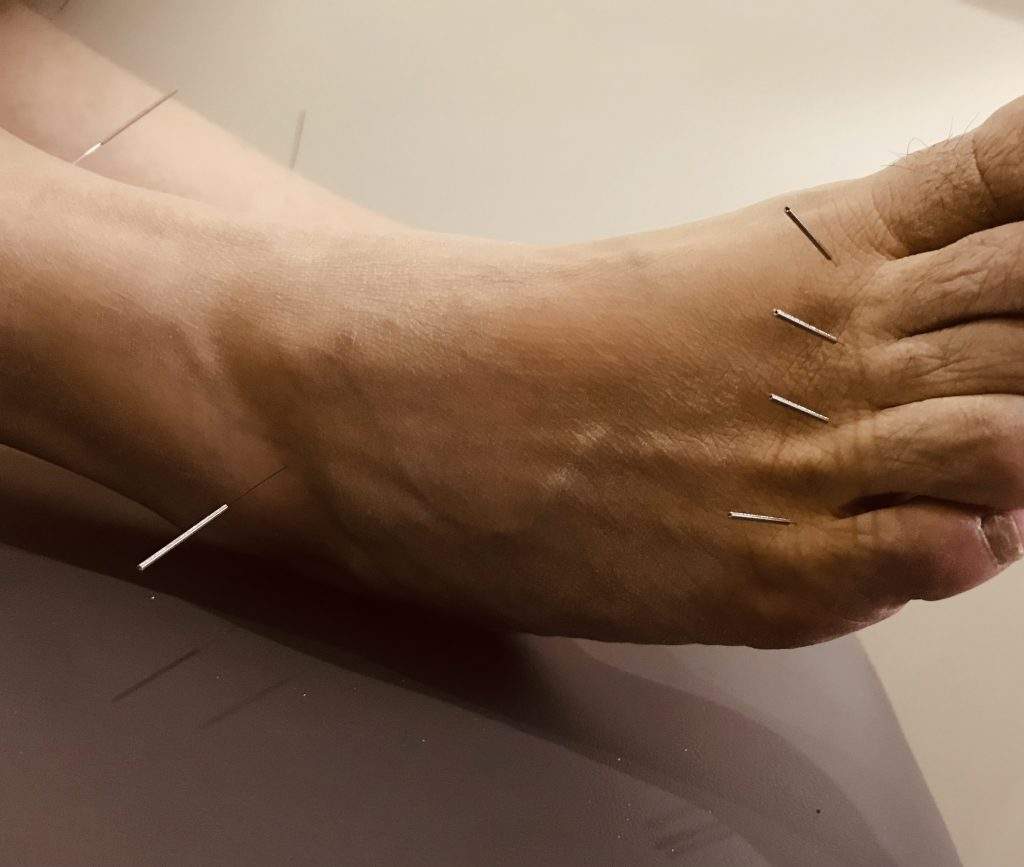
Feng Chi (GB20) at the base of your skull to subdue rising energy and relieve headache pain.
He Gu (LI4) on your hand, a powerful point for pain relief throughout the body.
Tai Yang (EX-HN5) on your temples to ease tension and throbbing.
Chinese Herbal Medicine: Building Resilience from Within
Herbs provide the long-term support to address your underlying imbalance. Your custom formula might include:
Chuan Xiong (Ligusticum): Known as the “headache king,” it powerfully invigorates blood flow to stop pain.
Gastrodia (Tian Ma): Extinguishes “Liver Wind,” perfect for the vertigo and violent throbbing of a migraine.
White Peony (Bai Shao): Nourishes the blood and calms the Liver, helping to prevent attacks from starting.
Lifestyle & Trigger Management
We’ll work with you to identify your personal triggers and provide practical advice on diet, sleep hygiene, and stress management techniques to empower you in your daily life.
Your Migraine Questions, Answered
Q: Can acupuncture stop a migraine that’s already started?
A: Yes, absolutely. Many patients come to us during an active migraine attack. Treatment can often reduce the intensity and duration of the attack, sometimes even aborting it completely. We focus on points that quickly subdue pain and calm the nervous system.
Q: I’m on preventive migraine medication. Can I still try acupuncture?
A: Definitely. Acupuncture is a wonderful complementary therapy. In fact, many people find that as acupuncture helps reduce their migraine frequency, they can work with their doctor to potentially lower their medication dosage. We will always take your current medications into account when creating your treatment plan.
Q: How many sessions will I need before I see a change?
A: Many people notice a reduction in the intensity or frequency of their migraines within the first 4-6 sessions. For lasting preventive results, we typically recommend a consistent course of treatment, such as weekly sessions for 6-8 weeks, to help re-regulate your body’s systems. We then taper down to a maintenance plan that works for you.
Q: I’m scared of needles. What does acupuncture feel like?
A: This is very common! The needles we use are incredibly fine, much thinner than a hypodermic needle. Most people feel only a tiny pinch upon insertion, followed by a sense of heaviness, warmth, or relaxation. Acupuncture is not typically painful; in fact, many people find the treatments so relaxing they fall asleep.
Q: Do you only treat the head during a session?
A: Not at all. While we may use some local points on your head, neck, and temples, we often use points on your arms, legs, hands, and feet. In TCM, these distal points are incredibly powerful for influencing the energy and blood flow to your head and are a core part of effective migraine treatment.
With clinics in Coburg and Ringwood, we are here to provide a supportive and understanding environment. We know how debilitating migraines can be, and we are committed to being your partners in finding a sustainable solution.
Take the first step toward fewer migraines and more good days.
Call us at 03 8802 1519 or book your appointment online today.
References
Linde et al. Acupuncture for migraine prophylaxis. The Cochrane Database of Systematic Reviews, (1), CD001218.
Cochrane, D. J. (2016). Acupuncture as a treatment for migraine: A systematic review and meta-analysis of randomised controlled trials. The Journal of Headache and Pain, 17(1), 1-9.
Wang et al. Efficacy of acupuncture for migraine prophylaxis: A single-blinded, double-dummy, randomised controlled trial. Pain, 158(10), 1864-1871.
 Holistic Support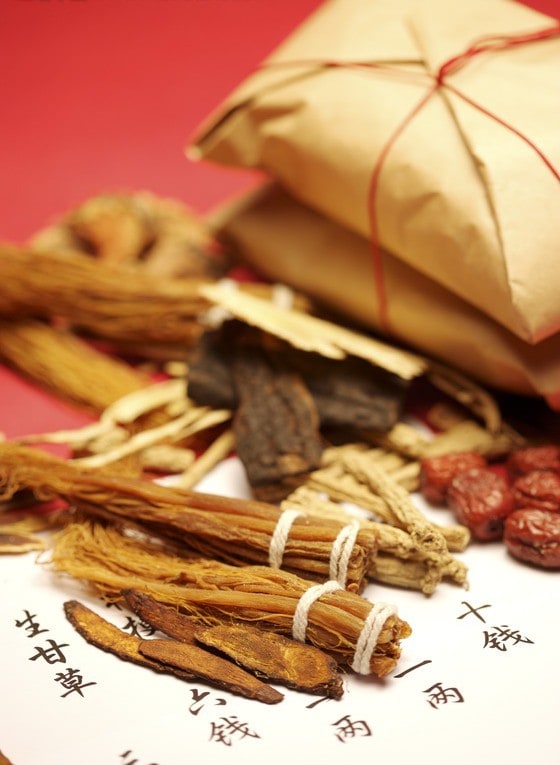
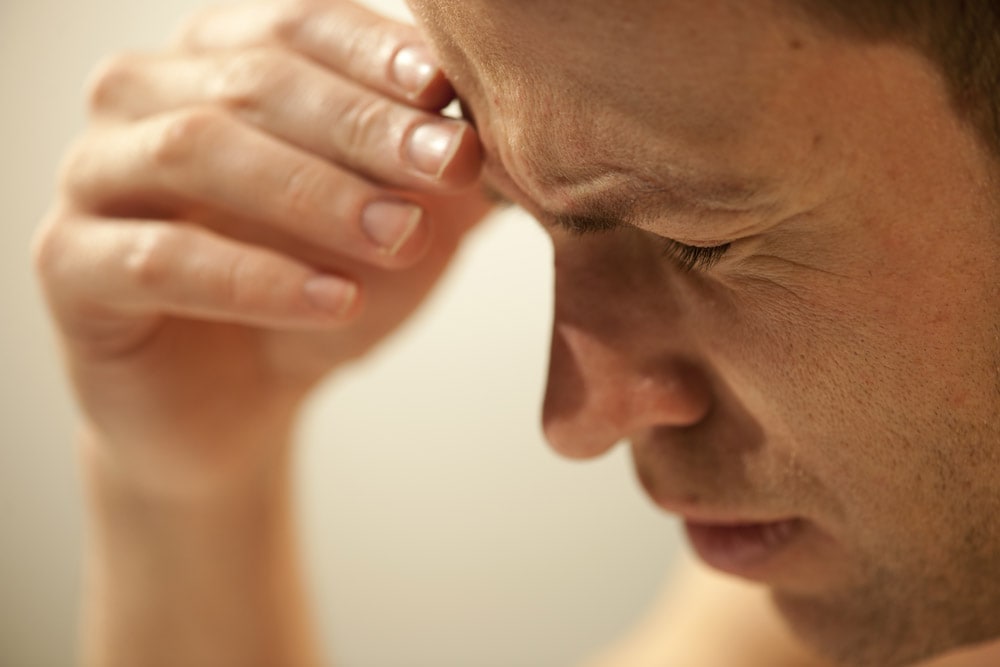 Breaking Free from the Cycle of Migraine Pain