The Coronarivus has been spreading in Australia. There are increasing information about the coronavirus from the media and social media. People are becoming more anxious about the virus – we see panic buying of toilet paper and other stuffs from the supermarket.
Here are a few things that I would like to share with you about the virus and tips to avoid COVID 19 infection at this special period of time.
First please remember – virus are opportunists.
Opportunistic infections happen when your immune systems are weak. If your immune systems are strong, you have less change of being infected, or have less severe symptoms if you are infected.
As the Bible of Chinese medicine – Yellow Yellow Emperor’s Inner Classic Says:
正气存内,邪不可干 – When there is sufficient healthy qi inside, pathogenic factors have no way to invade the body
Therefore the most important thing is:
Don’t give virus any opportunity!
That includes two measures:
Firstly, keep your immune system strong
Secondly, avoid the virus
Here are a few tips for a healthy immune systems
Stay calm and have less stress – constant worry or persistent high stress blocks your energy flow and reduce your immune system.
Be mindful to have necessary and enough rest when you are tired – Do Not overstrain or overwork, especially when we are in a COVID pandemic.
Have enough sleep – Go to bed early if you can. Our body repairs, recovers and recreates energy during sleep, so does our immune system.
Keep warm – avoid get cold by wearing enough clothes.
Eat a healthy diet – Less drinking alcohol and have enough water
No smoking – smoker’s lung function have already been compromised. Evidence showed smokers have higher rate to become severe cases once they have contract Covid-19. It is time to quit smoking now.
Lots of sunlight – Sunlight is the nature’s greatest disinfectant because the ultraviolet light inactivates bacteria and viruses. Researchers found a certain spectrum of ultraviolet light — far-UVC easily kills airborne flu viruses while posing no risk to people.
Sunlight will also improve your vitamin D which is important to your immune system.
Now in Melbourne is Autumn – the most beautiful season and full of sunlight. So Let’s get outdoor and enjoy the sunshine.
Moderate exercises – Exercises contribute to general good health and boost your immune system. I suggest moderate intensity exercises such as power walking, jogging, light weight training, yoga, Taichi.
Important: Remember to take a shower straight away after your exercises if you sweat during exercises. Or at least change into dry clothes.
Why is that?
Although exercises improve your immune system, your body is temporarily vulnerable after exercise, especially if after perspiration:
– You are tired after exercises.
– Your core temperate is high however your body surface temperature is low from sweating because your clothes are still wet.
Taking a shower and change into dry clothes give you less opportunity for virus to attack you.
AVOID virus
虚邪贼风 避之有时
For evil pathogens, avoid at times – Yellow Yellow Emperor’s Inner Classic
Wash your hands
Viruses bind with grease. Washing your hands with soap kills virus.
Hand sanitiser with 70~75% alcohol kills virus too.
If you can’t buy sanitiser you can make your own at home – buy the 95% methylated spirit and dilute into 70~75%.
Avoid touch you face, mouth, eyes and nose
Avoid close contact with people who are sick
Ventilate your home and office – Poor ventilation traps virus. Increase ventilation by opening windows and room doors.
Chinese herbal medicine
I recently read articles in Chinese regarding Chinese herbal medicine treatment that seems to have the ability to reduce symptoms of coronavirus.
I’ve also read news that almost everyone is taking Chinese herbal medicine decoctions for those who have been isolated in the Fang-Chang hospitals (mobile cabin hospitals) with mild to moderate symptoms. It has reported that none of those patients turned into severe cases with herbal medicine.
20 years ago I worked at Wuhan Chinese Medicine Hospital. One of ex colleague, Dr. Lv have recently participated in treating patients at one of the mobile cabin hospitals. I had a few chats with him. He shared a lot of information about both WM and TCM diagnosis and treatment for Covid-19. He also shared some Chinese medicine formulas that they’ve used to prevent and treat the disease at those hospitals.
I am studying these herbal-medicine-formulas and will be prepared to engage in ‘telehealth’ sessions with anyone should you experience any symptoms.
If anyone of you, or your family members have any concern or experience any symptoms, please let us know by call 03 8802 1519.
Via the phone or video consultation I may be able to prepare the proper herbs for you to pick up or post to your address.
Influence of acupuncture on idiopathic male infertility in assisted reproductive technology
J Huazhong Univ Sci Technolog Med Sci. 2002;22(3):228
Zhang M, Huang G, Lu F, Paulus WE, Sterzik K.
Tongji Hospital, Tongji Medical College, Huazhong University of Science and Technology, Wuhan 430030.
The clinical effects of acupuncture on idiopathic male infertility in sperm parameter and on therapeutic results in assisted reproductive technology were investigated. 22 patients failed in intracytoplasmic sperm injection (ICSI) with idiopathic male infertility were treated with acupuncture twice weekly for 8 weeks, followed by ICSI treatment again. The sperm concentration, motility, morphology, fertilization rates and embryo quality were observed. Quick sperm motility after acupuncture (18.3% +/- 9.6%) was significantly improved as compared with that before treatment (11.0% +/- 7.5%, P < 0.01). The normal sperm ratio was increased after acupuncture (21.1% +/- 10.4% vs 16.2% +/- 8.2%,P < 0.05). The fertilization rates after acupuncture (66.2%) were obviously higher than that before treatment (40.2%, P < 0.01). There was no significant difference in sperm concentration and general sperm motility between before and afteracupuncture. The embryo quality after acupuncture was improved, but the difference between them was not significant (P > 0.05). Acupuncture can improve sperm quality and fertilization rates in assisted reproductive technology.
PMID: 12658811 [PubMed-indexed for MEDLINE]
Does acupuncture treatment affect sperm density in males with very low sperm count? A pilot study
Andrologia Volume 32 Issue 1 Page 31 January 2000
S. Siterman, F. Eltes, V. Wolfson, H. Lederman & B. Bartoov
Classic therapies are usually ineffective in the treatment of patients with very poor sperm density. The aim of this study was to determine the effect of acupuncture on these males. Semen samples of 20 patients with a history of azoospermia were examined by light microscope (LM) and scanning electron microscope (SEM), with which a microsearch for spermatozoa was carried out. These examinations were performed before and 1 month after acupuncture treatment and revealed that the study group originally contained three severely oligoteratoasthenozoospermic (OTA), two pseudoazoospermic and 15 azoospermic patients. The control group was comprised of 20 untreated males who underwent two semen examinations within a period of 24 months and had initial andrological profiles similar to those of the experimental group. No changes in any of the parameters examined were observed in the control group. There was a marked but not significant improvement in the sperm counts of severely OTA males following acupuncture treatment (average=0.7±1.1 10 6 spermatozoa per ejaculate before treatment vs. 4.3±3.2 10 6 spermatozoa per ejaculate after treatment). A definite increase in sperm count was detected in the ejaculates of 10 (67%) of the 15 azoospermic patients. Seven of these males exhibited post-treatment spermatozoa that were detected even by LM. The sperm production of these seven males increased significantly, from 0 to an average of 1.5±2.4 10 6 spermatozoa per ejaculate (Z= 2.8, P <0.01). Males with genital tract inflammationexhibited the most remarkable improvement in sperm density (on average from 0.3±0.6 106 spermatozoa per ejaculate to 3.3±3.2 10 6spermatozoa per ejaculate; Z=2.4, P 0.02). Two pregnancies were achieved by the IVF-ICSI procedure.It is concluded thatacupuncture may be a useful, nontraumatic treatment for males with very poor spermdensity, especially those with a history of genital tract inflammation.
Modification of semen quality by acupuncture in subfertile males
[Article in German]
Geburtshilfe Frauenheilkd. 1984 Aug;44(8):510
Fischl F, Riegler R, Bieglmayer C, Nasr F, Neumark J.
Our first attempt in treating subfertility by acupuncture was carried out on 28 males. The results obtained from the experiences in veterinary medicine encouraged us to attempt this type of therapy. Each patient received a total of 10 treatments for a period of three weeks. Several spermiograms were made afterdiagnosis subfertility. We checked spermiograms and hormone levels before and after acupuncture. Total count, concentration and motility were evaluated. In all cases we observed a statistically significant improvement of sperm quality. Having obtained these good results in our first studies, we now intend to continue acupuncture therapy in subfertile males for insemination or intercourse at the time of the ovulation of their female partners.
Fluid retention over period time? Eat the right food helps.
When menstrual period is due, some women find that their faces, fingers, calves and feet are swelling. It is because their body retains fluid. The fluid retention can increase their weight up to 2~4 kilos. At the same time, many women have abdominal bloating, sore or tender breasts.
What causes the fluids retention?
Fluid retention over period is due to the imbalance of hormone, mostly due to increasing of estrogen, which result in sodium and fluid stay in the body.
Often the feeling of swollen during period can be reduced via right diet and light exercise. For instance, stay away from sodium salty food, have more food such as, potato or cucumber.
Foods to reduce fluid retention over period
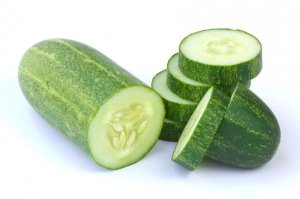
cucumber
Cucumber
90% of cucumber is water, it is a good source of food to get hydrated. The skin of cucumber contains a substance called isoquercitrin which is diuretic. Cucumber has been used in helping people reduce the excess fluid in the body since ancient China. There were records from traditional Chinese medicine (TCM) that cucumber was used in assisting treating cystitis and acute urine tract infection.
potato
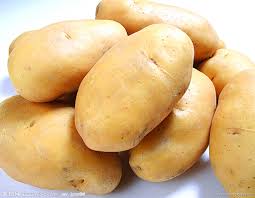
Potato
Potato has been known for long as “the apple grows in the ground” in the East. There are plenty of organic sodium and potassium in potato. It can help our body to get rid of the extra culinary sodium and fluid. In order to get the best effect from potato, do not peel its skin.
red beans
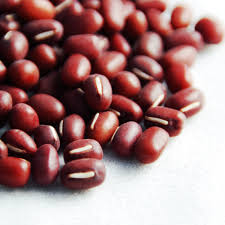
Red Beans (azuki beans)
Red azuki beans is rich in potassium and saponin which is diuretic. It has been used to treat water retention in TCM. In order to maximise the best nutritious from red bean, it is better to cook it slowly.
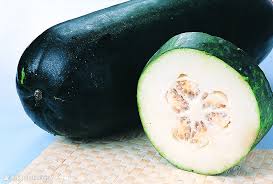
winter melon
Winter melon (white gourd)
Winter melon is rich in potassium. It is a food well known as a natural diuretic. It traditional Chinese medicine (TCM), the seeds and peel of winter melon are herbs both used for edema or water retention. It has a cooling effect and mostly importantly, taste good.
Chinese herbal medicine has a long history of use for various health conditions, including managing cholesterol levels. Listed here are 6 best Chinese herbs that commonly used to help lower cholesterol:
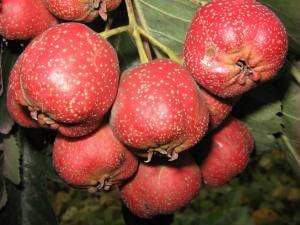
1. Hawthorn 山楂
Hawthorn
Hawthorn is rich in various beneficial substances such as hawthorn acid, tartaric acid, citric acid, and more. These components contribute to its ability to dilate blood vessels, reduce blood pressure, lower cholesterol levels, and enhance the activity of gastric digestive enzymes.
Hawthorn is available in different forms, including tablets and granules, making it convenient for consumption. Additionally, dried raw hawthorn fruit can be used to prepare herbal tea or decoctions, allowing for alternative methods of intake.
2. Polygonum multiflorum 何首乌
Polygonum multiflorum Thunb
Polygonum multiflorum can promote intestinal peristalsis, reduce cholesterol absorption and accelerate the excretion of cholesterol. This makes it effective in reducing cholesterol levels and providing anti-atherosclerosis benefits.
Clinical you can used Polygonum multiflorum tablets or granules 2.5 gram each dosage, 3 times per day.
Polygonum multiflorumthe also helps constipation, particularly suits for elderly patient who has chronic constipation and can be diagnosed as Liver and Kidney deficiency in Chinese medicine.
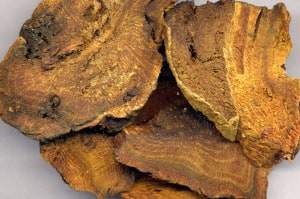
3. Rhubarb root 大黄
Rhubarb Dahuang
Rhubarb root has been shown to have beneficial effects on blood pressure and cholesterol levels.
Clinical studies suggest that Rhubarb root can be taken orally in doses of 0.25 grams, four times a day. After one month of treatment, it may help reduce triglyceride levels.
Rhubarb’s strong laxative effect makes it particularly suitable for individuals who have high cholesterol and suffer from constipation.
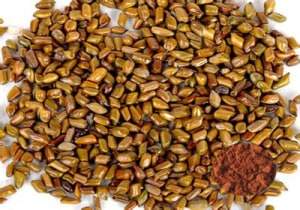
4. Cassia seed 决明子
Cassia Seed
Cassia seeds have been found to possess the ability to inhibit the formation of atherosclerosis plaques and lower serum cholesterol levels. Take fried Cassia as herbal tea may gradually lower cholesterol levels close to normal range. Average dosage is 5 to 10 gram per day, over the course of one month.
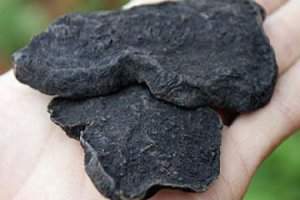
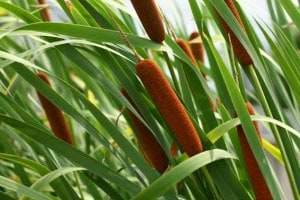
Pollen Typhae
5. Pollen Typhae 蒲黄
Pollen Typhae, also known as Typha pollen or Typhae Pollen (蒲黄), has been found to have the ability to inhibit the intestinal absorption of exogenous cholesterol. This property makes it effective in reducing lipid levels in the blood. It’s important to note that only raw Pollen Typhae is effective in reducing cholesterol, as charcoaled Typhae is commonly used for conditions such as excessive menstruation and painful menstruation.
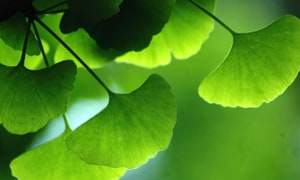
6. Ginkgo biloba 银杏叶
Ginkgo biloba
Research discovered that Ginkgo biloba has coronary dilation effect and it is able to lower serum cholesterol including total cholesterol and triglycerides.
Ginkgo biloba can be purchased from health food shop as tablets.
Almond Wellness Centre
At Almond Wellness Centre – Chinese medicine acupuncture Melbourne – we have different forms of high quality Chinese herbal medicine. These include the “real” dry raw herbs, concentrated herbal granules, patent herbal pills, topical used herbal cream, tinctures. They can be specially tailored for your conditions. Formulas can be prescribed in a number of ways at both our Ringwood clinic and Coburg clinic.
Ageing is a natural process, but how your skin ages can vary greatly. Many people in Melbourne notice early signs such as dryness, pigmentation, or fine lines due to lifestyle and environmental factors.
The good news is that with the right approach, you can slow visible skin ageing and support healthier, more resilient skin.
Understanding Your Skin Structure
Epidermis (Outer Layer)
The epidermis is your skin’s protective barrier. It renews itself every 15–30 days in younger skin.
As you age:
Cell turnover slows
Skin becomes dull and dry
Uneven tone becomes more noticeable
This layer also regulates moisture and protects against environmental damage, including UV exposure.
Dermis (Support Layer)
The dermis contains collagen and elastin, which maintain firmness and elasticity.
With age:
Collagen production declines
Skin loses strength and bounce
Wrinkles begin to form
Subcutaneous Layer (Foundation Layer)
This deeper layer provides volume and structure.
Over time:
Fat volume reduces
Skin begins to sag
Facial contours change
What Causes Skin Ageing?
Skin ageing is influenced by both internal and external factors.
Intrinsic Ageing (Natural Process)
This is the body’s natural ageing process, often starting in your mid-20s.
Common changes include:
Slower skin renewal
Reduced collagen production
Loss of elasticity
Signs:
Fine lines
Thinning skin
Gradual sagging
Extrinsic Ageing (Lifestyle & Environment)
In Melbourne, environmental and lifestyle factors play a major role in skin ageing.
Key contributors include:
Sun exposure (UV damage) – the leading cause of premature ageing
Pollution – increases oxidative stress
Diet and gut health – impacts inflammation and skin clarity
Stress and sleep quality – affects hormonal balance
Smoking and alcohol – reduce oxygen and nutrient supply
These factors can accelerate ageing far beyond natural processes.
The Gut–Skin Connection
Skin health reflects internal balance. Digestive health, hormones, and inflammation all influence how your skin ages.
This treatment works by stimulating collagen, improving blood flow, and relaxing facial tension for a more natural, long-lasting result.
When Should You Start Anti-Ageing Care?
Preventative care can begin in your late 20s or early 30s.
Early support helps:
Maintain collagen levels
Slow wrinkle formation
Preserve skin elasticity
However, it’s never too late to start. Skin can improve at any age with the right treatment and care.
Final Thoughts
Skin ageing is influenced by many factors, but it is not entirely out of your control.
By understanding the causes and taking a proactive, holistic approach, you can maintain healthier, more youthful skin for longer.
If you’re looking for personalised support, natural therapies such as acupuncture and Chinese medicine offer a safe and effective option.
About the Author
Dr. Mira An is a registered Chinese Medicine practitioner (AHPRA) and a member of AACMA. She is specially interested in skin health, cosmetic acupuncture, and integrative dermatology.
She completed advanced clinical training in the Dermatology Department at KyungHee University Hospital in Seoul, a leading centre for Korean medical dermatology.
Dr. Mira An practices at Almond Wellness Centre in Ringwood, Melbourne, where she provides personalised, evidence-informed care using acupuncture, herbal medicine, and nutrition.
Almond Wellness Centre is a Melbourne-based Chinese medicine clinic offering acupuncture, herbal medicine, and holistic care.
Our practitioners are fully registered with AHPRA and have extensive experience supporting skin health, fertility, and chronic conditions using Traditional Chinese Medicine (TCM).
📍 Located in Ringwood, we serve patients across Melbourne’s eastern suburbs.