Embracing the Final Stretch: How Acupuncture Supports Your Third Trimester Journey
As you enter your third trimester, your body and mind are preparing for one of life’s most transformative experiences. At Almond Wellness Centre, our Chinese medicine practitioners feel privileged to support Melbourne families during this special time. Many expectant parents find acupuncture offers gentle, holistic support as they approach their birthing day.
Breech Baby:
Around weeks 34-35, your healthcare provider will monitor your baby’s position. If your baby is breech or transverse, acupuncture with moxibustion may be considered as a supportive approach.
Moxibustion involves warming specific acupuncture points with a gentle herb called mugwort. Some research, including studies referenced in the Cochrane Library, has explored this traditional technique for supporting optimal fetal positioning.
Many women find this approach comforting, and it aligns with recommendations from some maternity care providers seeking to support natural positioning.
Getting Ready for Labor:
From approximately week 36, regular acupuncture sessions may help support your body’s natural preparation for birth. These treatments focus on:
Some research suggests this preparatory approach may help support the body’s natural processes as labor approaches.
Acupuncture Labor Induction or Preparation?
As you approach your due date, acupuncture may be used to support your body’s readiness for labor. It’s important to understand that acupuncture aims to work with your body’s natural timing rather than forcing processes that aren’t ready.
When conditions are favourable, gentle acupuncture may help support the body’s natural rhythms. If your body needs more time, treatments can focus on relaxation and overall wellbeing.
Labor Pain Relief and Contractions on Cue:
Many expectant parents find acupressure techniques particularly helpful during early labor. We can teach simple acupressure methods that you or your partner can use for comfort and support.
A Holistic Approach to Birth Preparation
Acupuncture in the third trimester represents a comprehensive approach to birth preparation, focusing on:
Supporting optimal fetal positioning
Promoting maternal relaxation and wellbeing
Addressing individual concerns and discomforts
Preparing both body and mind for the birthing experience
Many women report feeling more centred and physically prepared after acupuncture sessions during their final trimester.
Frequently Asked Questions
Q: Is acupuncture safe during the third trimester?
A: When performed by a registered Chinese medicine practitioner, acupuncture is generally considered safe during pregnancy. We use pregnancy-specific points and techniques to ensure both maternal and fetal wellbeing.
Q: How many sessions will I need?
A: This varies depending on individual needs. Some women benefit from weekly sessions from week 36, while others prefer more frequent visits as their due date approaches. We’ll create a personalized plan during your consultation.
Q: Can acupuncture help with pregnancy-related discomfort?
A: Many women find acupuncture helpful for addressing common third-trimester discomforts like back pain, pelvic pressure, and sleep difficulties, while also supporting overall wellbeing.
Q: Do you work alongside my obstetric care team?
A: Absolutely. We believe in collaborative care and are happy to communicate with your midwife or obstetrician to ensure coordinated support throughout your pregnancy journey.
Ready to Explore How Acupuncture Might Support Your Third Trimester?
Reach out, and let’s chat. Whether you’re in Melbourne’s northern or eastern suburbs, at Almond Wellness Centre, we’re here to support you on this beautiful journey.
Here’s to the magic of acupuncture and the extraordinary journey ahead!
Premature Ovarian Insufficiency (POI), sometimes called Premature Ovarian Failure (POF), refers to the cessation or significant reduction of normal ovarian function before age 40. This may lead to hormone changes similar to menopause — such as irregular menstrual cycles, hot flushes, night sweats, mood fluctuations and reduced fertility. While more common in women in their late 30s, POI can also occur in younger women in their 20s or 30s.
What Happens in POI
When the ovaries reduce their regular functioning, the body’s production of oestrogen and other reproductive hormones can decline or become erratic. This hormonal shift may result in:
Irregular or absent menstrual periods
Hot flushes or night sweats
Vaginal dryness or discomfort during intimacy
Mood swings, low energy, or difficulty sleeping
Challenges with conception
Recognising these changes early may help you engage with your healthcare team and address symptoms and fertility considerations in a timely manner.
Possible Contributing Factors
The exact reason why POI occurs is not always clear. Some of the contributing factors may include:
Genetic or chromosomal variations
Autoimmune conditions affecting ovarian tissue
Medical treatments such as chemotherapy or radiation
Surgical removal of ovarian tissue
Infections, environmental toxins or chemical exposures
Persistent high stress, nutritional deficiencies or lifestyle factors
Each case of POI is unique, and establishing a broad view of your health and medical history is often beneficial.
A Holistic Outlook
Managing POI involves more than one type of intervention. A holistic outlook embraces multiple aspects of wellness such as:
A nutrient‐rich, balanced diet supporting overall reproductive and hormonal health
Appropriate medical review including fertility and hormonal assessment
Gentle, supportive therapies that complement conventional care
Within this framework, acupuncture and Chinese medicine may serve as supportive components alongside medical oversight.
How Traditional Chinese Medicine (TCM) can Support
In Traditional Chinese Medicine (TCM), reproductive and hormonal health is often approached by addressing underlying imbalances in energy (qi), blood circulation, yin‐yang harmony and organ (zang‐fu) relationships. For example, TCM may aim to support kidney‐system health (in TCM theory), regulate blood flow, and facilitate overall systemic balance. This supports wellbeing but does not guarantee ovarian recovery or fertility restoration.
Role of acupuncture
Acupuncture uses fine needles at specific points on the body to support circulation, relieve tension, calm the nervous system and promote overall wellness. In the context of POI support, acupuncture may help:
Promote relaxation and reduce stress
Enhance blood flow and circulation
Support sleep quality and mood
Support your sense of wellbeing through gentle, safe therapy
While acupuncture is generally well tolerated, it should be considered a complementary therapy rather than a primary medical intervention for hormonal or fertility issues.
Role of Chinese Herbal Medicine
Chinese herbal formulas can be customised to your individual pattern of symptoms, constitution and TCM diagnosis. Under proper supervision, herbal medicine may assist with:
Supporting systemic balance and energy levels
Addressing symptoms such as hot flushes, night sweats or sleep difficulties
Complementing lifestyle and dietary measures
Herbal therapy must be prescribed by a qualified practitioner, with consideration of any current medical conditions or medications.
About Our Practice
At Almond Wellness Centre in Melbourne (Coburg & Ringwood), we offer a comprehensive TCM approach for women’s reproductive health, natural fertility and IVF support. Our experienced practitioners provide individually tailored programs that include acupuncture, Chinese herbal medicine, dietary guidance and emotional support. We collaborate with medical practitioners to ensure safe, integrated care.
If you are exploring supportive therapy for POI, we invite you to book a consultation so we can discuss your individual context and design a safe, personalised plan.
Contact Us
If you are managing Premature Ovarian Insufficiency or want to explore integrative support, contact us at Almond Wellness Centre to schedule a consultation. Or you can book online.
Q2: How long does it take to see any changes from acupuncture or herbal medicine?
A2: Response varies between individuals. Some people may notice improved sleep, mood or stress reduction within a few weeks; structural hormonal or fertility changes may take months and should be evaluated in collaboration with a medical specialist.
Q3: Is it safe to use Chinese herbal medicine long-term?
A3: When prescribed by a registered TCM practitioner, Chinese herbal medicine is generally safe. Ongoing monitoring by both the herbal practitioner and your medical team is recommended, especially if you are taking other medications or have underlying medical conditions.
Q4: Can I combine TCM approaches with my medical care or fertility treatment?
A4: Yes – TCM is often used as a complementary approach alongside conventional medical care. It is important to coordinate with your medical practitioner and inform your TCM practitioner about any treatments, medications or procedures you are undergoing.
Disclaimer: Individual responses to Chinese medicine treatment may vary. Consultation with a qualified TCM practitioner is recommended to determine the most suitable herbs, formulations and acupuncture treatment based on individual health conditions. This information is for educational purposes and does not replace professional medical advice.
Acupuncture and acupressure are both alternative therapies rooted in traditional Chinese medicine. They both stimulate specific points on the body to promote healing and relieve various symptoms. While acupuncture involves the insertion of thin needles into specific points, acupressure involves applying pressure to these points with the fingers, thumbs, or other devices. When acupuncture is not available, acupressure is an alternative and convenient way to help nausea and sickness. This technique is often used for motion sickness, morning sickness during pregnancy, and nausea associated with chemotherapy.
In the context of nausea and sickness, there are specific acupressure points that are commonly targeted. Listed here are 5 best acupuncture /acupressure points for nausea and sickness.
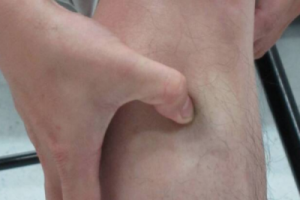
1. ST36 (Stomach 36) or Zu San Li 足三里:
Zu San Li ST36
Location: Situated on the front of the leg, just below the knee and slightly towards the outside.
Function: This point is used for various digestive issues, such as stomach pain, cramping, nausea sickness and vomiting.
Technique: Locate the point by finding the muscle about 1cm lateral to the shin bone. Press the point and rub cross the muscle fibre, until you feel pressure aching sensation of the muscle. Keep the pressure and rub for about 5 minutes. Repeat 2~3 times if nausea /sickness is not relieve.
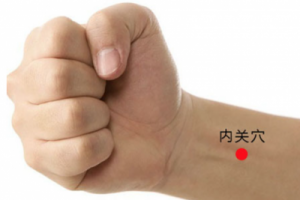
2. PC6 (Pericardium 6) or Nei Guan 内关:
Nei Guan PC6
Location: This point is located on the inner forearm, about two to three finger widths below the wrist crease, between the two tendons.
Function: Traditionally this point is used for all symptoms related to Heart, Chest and Stomach, such as stomach pain, nausea, chest tightness and palpitation.
Technique: Applying pressure to this point until you feel pressure aching sensation, for about 3~5 minutes. Repeat 2~3 times if nausea /sickness is not relieve.
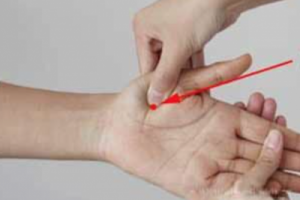
3. LU10 (Lung 10) or Yu Ji 鱼际:
Yu Ji LU10
Location: This point is located in the middle of greater thenar eminence on the palm side of thumb.
Function: Traditionally this point is used for heat in the lung and digestive issues including nausea and abdominal pain, particularly in children. (it is also called “板门 Ban Men” – the “Wooden Gate” in Chinese infantile Tuina massage)
Technique: Applying pressure to this point until you feel pressure or aching sensation, for about 3~5 minutes. Repeat 2~3 times if nausea /sickness is not relieved.
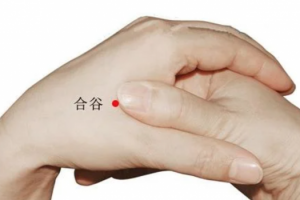
4. LI4 (Large Intestine 4) or He Gu 合谷:
He Gu LI4
Location: Found on the back of the hand, in the webbing between the thumb and index finger.
Function: traditionally this point is thought to help with various ailments, such as headache, stress, nausea and stomach pain.
Technique: Locate the point in the middle of the 2nd metacarpal bone, find the muscle next to the bone and apply pressure across the muscle. Keep the pressure and rub for about 3~5 minutes. Repeat 2~3 times if nausea /sickness is not relieved.
5. CV12 (Conception Vessel 12) or Zhong Wan 中脘:
Zhong Wan CV12
Location: Located on the midline of the abdomen, about halfway between the navel and the lower edge of the breastbone,
Function: This point is believed to aid in digestion and alleviate nausea.
Technique: Using thumb or middle finger, applying pressure and rub in a circle motion for 5 minutes. Repeat 2~3 times if nausea /sickness is not relieved.
Note on Effectiveness
It’s important to note that while many people find relief from symptoms through acupuncture and acupressure, scientific evidence supporting their effectiveness can be mixed. Some studies suggest that these techniques may have a positive impact on certain conditions, while others may not find significant benefits.
If you’re considering trying acupuncture or acupressure for nausea or any other health issue, it’s advisable to consult with qualified practitioners from renowned practice like Almond Wellness Centre. They can provide guidance based on your individual health needs and ensure that these complementary therapies are used in conjunction with, not as a substitute for conventional medical care.
For thousands of years, Chinese herbal medicine has been used to calm the mind, nourish the body, and restore natural sleep rhythms.
Below are 10 commonly used Chinese herbs for insomnia and sleep support in Traditional Chinese Medicine.
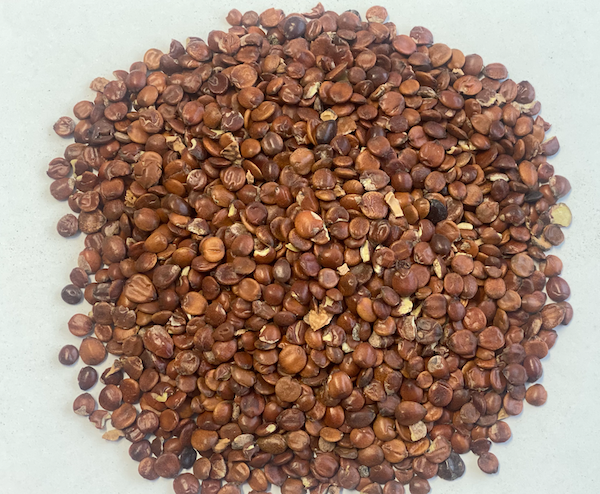
1. Suan Zao Ren (酸枣仁) – Sour Jujube Seed
Suan Zao Ren
Suan Zao Ren is one of the most important herbs in TCM for treating insomnia. It is widely used in classical herbal formulas designed to calm the mind.
In Chinese medicine theory, Suan Zao Ren helps nourish the Heart and Liver, allowing the mind to settle and sleep to become deeper and more stable.
Traditionally it is used for:
Difficulty falling asleep
Frequent waking during the night
Anxiety and irritability
Restless sleep with vivid dreams
It is especially useful when insomnia is related to stress, emotional tension, or Heart Yin deficiency.
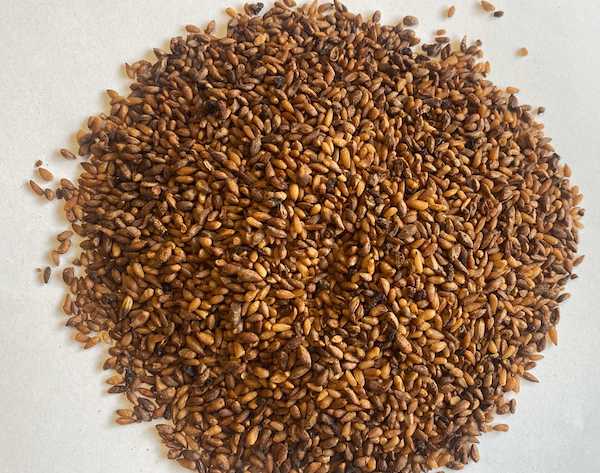
2. Bai Zi Ren (柏子仁) – Biota Seed
Bai Zi Ren
Bai Zi Ren is another well-known calming herb used to nourish the Heart and calm the Shen.
It is commonly used when insomnia is associated with excessive thinking, worry, or mental overwork.
In addition to improving sleep, Bai Zi Ren may:
Help reduce anxiety
Calm emotional restlessness
Moisturise the intestines and relieve constipation
Because of this dual action, it is particularly helpful for people who experience stress-related insomnia combined with dry constipation.
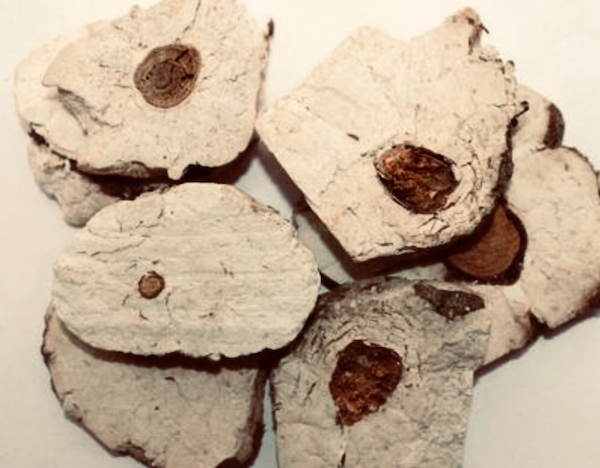
3. Fu Shen (茯神) – Poria with Pine Root
Fu Shen
Fu Shen is derived from the fungus Poria cocos, which grows on pine tree roots. In Chinese medicine, Fu Shen is valued for its ability to calm the spirit and stabilise emotions.
It is often used for insomnia accompanied by:
Excessive worry
Palpitations
Mental restlessness
Emotional stress
Fu Shen gently settles the mind and supports emotional balance, making it a common ingredient in formulas designed to calm the Shen.
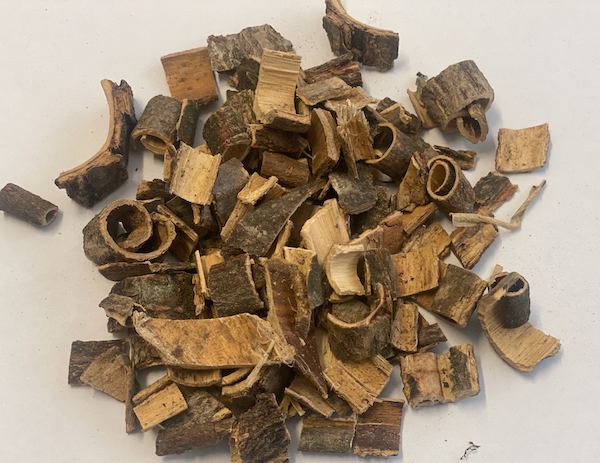
4. He Huan Pi (合欢皮) – Albizia Bark
He Huan Pi
He Huan Pi is often called the “herb of happiness” in Chinese medicine because of its ability to relieve emotional constraint.
This herb helps soothe Liver Qi and calm the spirit, making it particularly useful for insomnia related to emotional stress.
It may be used when sleep problems are associated with:
Irritability
Mood swings
Emotional tension
Mild depression
By relaxing the Liver system, He Huan Pi helps the mind become more settled and sleep more restful.
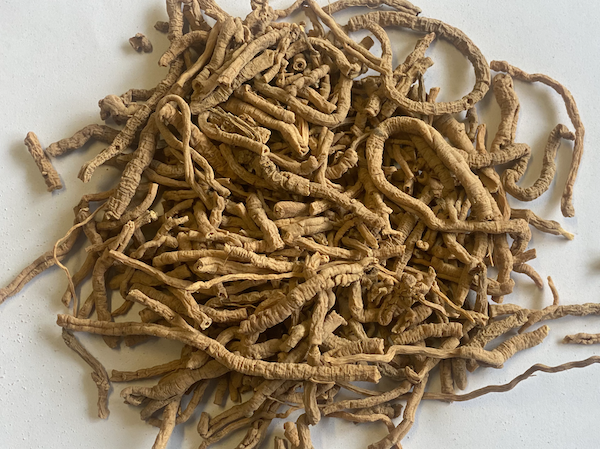
5. Yuan Zhi (远志) – Polygala Root
Yuan Zhi
Yuan Zhi is traditionally used to strengthen communication between the Heart and Kidney systems in TCM.
It is often included in herbal formulas when insomnia is accompanied by:
Palpitations
Anxiety
Restlessness
Poor concentration or forgetfulness
Yuan Zhi is believed to calm the spirit while also supporting mental clarity and emotional stability.
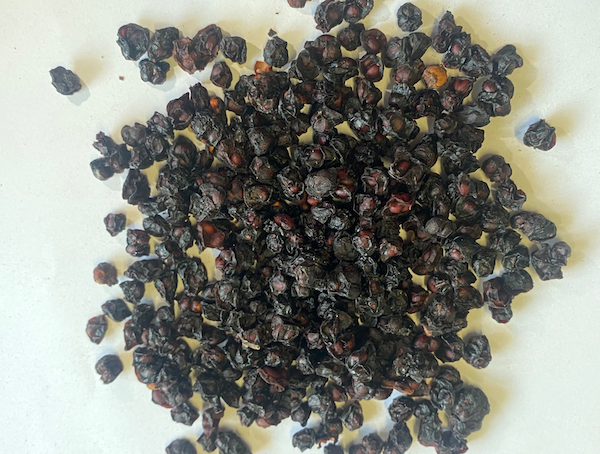
6. Wu Wei Zi (五味子) – Schisandra Berry
Wu Wei Zi
Wu Wei Zi is a unique herb known as the “five-flavour berry” because it contains sour, sweet, bitter, salty, and pungent tastes.
In TCM it helps:
Nourish the Heart
Support the Kidney system
Calm the spirit
Improve stress resilience
Wu Wei Zi is often used when insomnia is related to chronic stress, fatigue, or Yin deficiency. It is also considered an adaptogenic herb that helps the body adapt to stress.
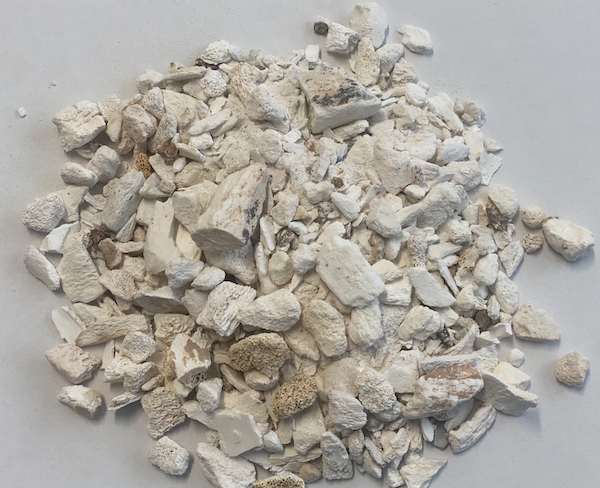
7. Long Gu (龙骨) – Dragon Bone
Long Gu
Long Gu is a mineral substance made from fossilised bone. In Chinese medicine it is used to anchor and stabilise the spirit.
It is often prescribed for people who experience:
Restlessness
Anxiety
Palpitations
Difficulty calming the mind at night
Long Gu helps contain excessive emotional activity and promotes a deeper sense of calm.
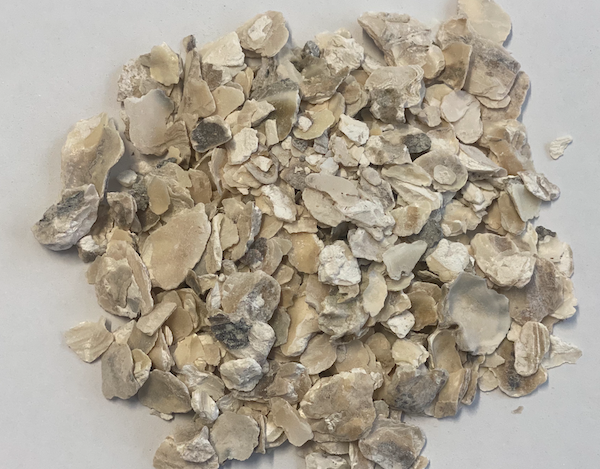
8. Mu Li (牡蛎) – Oyster Shell
Mu Li is the shell of oysters. Mu Li is recognised for its ability to settle the Heart and calm the Spirit. Similar to Long Gu, Mu Li is used to address emotional disturbances, irritability, and insomnia. It is believed to have a tranquilising effect on the Shen (mind) and Heart, helping to alleviate anxiety, excessive worrying and emotional turbulence.
Mu Li
Mu Li has similar properties to Long Gu and is often used together with it in traditional formulas.
Mu Li helps:
Settle the Heart
Calm the spirit
Reduce anxiety
Stabilise emotional agitation
The combination of Long Gu and Mu Li is commonly used when insomnia is accompanied by restlessness and palpitations.
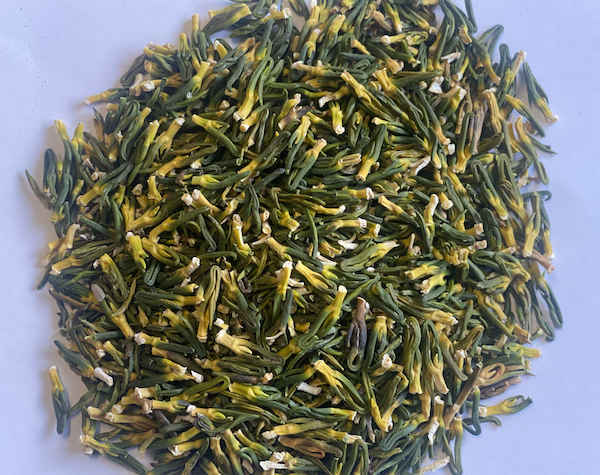
9. Lian Xin (莲心) – Lotus Plumule
Lian Xin
Lian Xin is the small green sprout found inside the lotus seed.
In Traditional Chinese Medicine, it is known for its ability to clear Heart heat and calm the mind.
It is commonly used when insomnia is associated with:
Irritability
Restlessness
Nighttime agitation
Stress-related heat symptoms
Lian Xin is also sometimes used in herbal teas designed to promote relaxation.
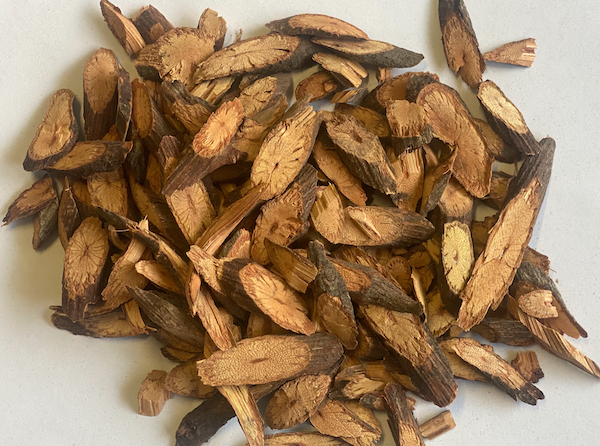
10. Ye Jiao Teng (夜交藤) – Polygonum Multiflorum Vine
Ye Jiao Teng
Ye Jiao Teng is widely used in Chinese medicine to nourish the Heart and calm the spirit.
It is particularly helpful for people who experience:
Light sleep
Frequent waking
Restless dreams
Anxiety before sleep
This herb gently nourishes the body while promoting a more peaceful and stable sleep pattern.
Chinese Medicine Treatment for Insomnia
While individual herbs can be helpful, in Traditional Chinese Medicine they are rarely used alone. Instead, practitioners create personalised herbal formulas based on each person’s pattern of imbalance.
By addressing the underlying imbalance rather than only the symptom, TCM aims to restore the body’s natural sleep rhythm.
When to Seek Professional Advice
Although these herbs have been used traditionally for centuries, the correct formula depends on each individual’s health condition and diagnosis.
If you experience ongoing insomnia, it is best to consult a qualified Traditional Chinese Medicine practitioner who can provide personalised treatment.
Reference
Bensky D, Gamble A. Chinese Herbal Medicine: Materia Medica (3rd Edition).
Disclaimer
Individual responses to herbal medicine may vary. Consultation with a qualified healthcare practitioner is recommended before using herbal remedies, especially if you have underlying health conditions or are taking medication. This information is for educational purposes only and does not replace professional medical advice.
Hypertension, or high blood pressure, is one of the most common chronic diseases. In addition to antihypertensive medications, adopting a regular and healthy lifestyle, along with traditional Chinese medicine treatment, may have beneficial effects on blood pressure control and symptom improvement. Here are ten Chinese herbal teas that may assist in lowering blood pressure:
Chrysanthemum Tea:
Chrysanthemum tea can be prepared by combining chrysanthemum with honeysuckle and licorice, which have liver-cleansing, vision-clearing, heat-clearing, and detoxifying properties. It is recommended to use sweet chrysanthemum, preferably the large white chrysanthemum produced in Suzhou and Hangzhou China. Use approximately 3 grams per serving and consume a few times daily.
Hawthorn Tea:
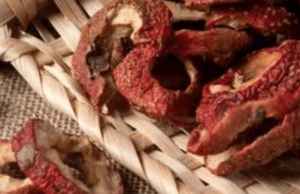
Hawthorn contains components that aid digestion, dilate blood vessels, lower blood sugar, and reduce blood pressure. Hawthorn tea may have some auxiliary therapeutic effects for hypertension. Use 1-2 fresh hawthorn fruits or dried hawthorn slices to brew the tea, 2~3 times daily.
Pagoda Flower Tea:
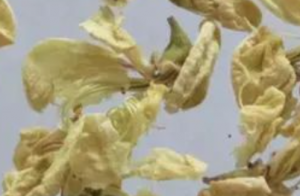
Pagoda tree flower tea possesses properties such as blood vessel constriction, and may have therapeutic effect on hypertension. After drying the pagoda tree flowers, steep them in boiling water to make the tea. You can have a few times per day.
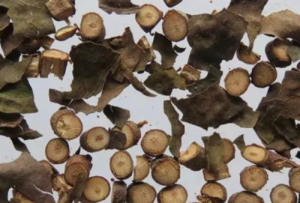
Lotus Leaf Tea:
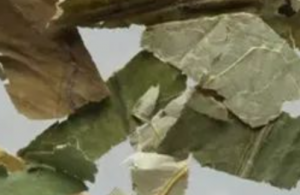
The infusion and decoction of lotus leaves have the effects of blood vessel dilation, heat-clearing, and blood pressure reduction. Additionally, lotus leaf is beneficial for weight loss and fat reduction. Use half a fresh lotus leaf, wash it, cut it into small pieces, boil it with an appropriate amount of water, and consume as tea. Alternatively, you can use dry lotus leaves in hot water to make a tea.
Polygonum Multiflorum Tea:
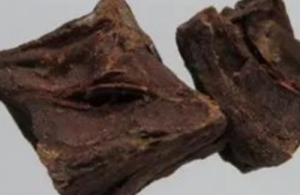
Prepared Polygonum Multiflorum has the effect of reducing blood lipids and preventing blood clot formation. For individuals with elevated blood lipids, regular consumption of Polygonum Multiflorum tea shows some therapeutic effects. Take 5-10 grams of prepared Polygonum Multiflorum, boil it in water for 30 minutes, and drink it as tea.
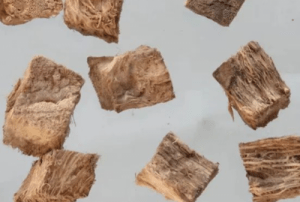
Kudzu Root Tea:
Kudzu root improves cerebral blood circulation and provides relief for symptoms such as headache, dizziness, tinnitus, and lower back pain caused by hypertension. Wash and slice 30 grams of kudzu root, boil it in water, and consume it as tea.
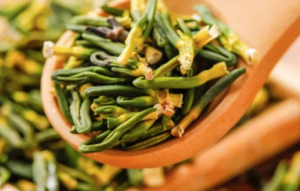
Lotus Plumule Tea:
Lotus plumule refers to the green sprout/embryo inside the lotus seed. In Traditional Chinese Medicine it has a bitter taste, a cooling nature, and possesses certain blood pressure-lowering effects. It also has the benefits of heat-clearing, calming the mind, and strengthening the heart. Use 12 grams of lotus seed heart, steep it in hot water, and consume it as tea.
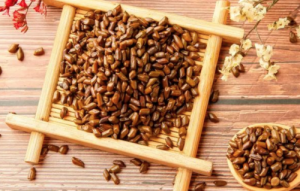
Cassia Seed Tea:
Cassia seed has the effects of lowering blood pressure, reducing blood lipids, cleansing the liver and benefit vision. Use 15-20 grams of cassia seeds to make tea by steeping them in water. Consume a times daily.
Mulberry Mistletoe Tea:
Mulberry mistletoe is an important herb for nourishing the kidney in Chinese medicine. Brew mulberry mistletoe as a tea to provide significant auxiliary therapeutic effects for hypertension. Take 15 grams of dried mulberry mistletoe, boil it for 15 minutes, and consume it as tea. You can have the tea a few time per day.
Corn Silk Tea:
In Traditional Chinese Medicine Corn silk has been used for diarrhoea, diuresis and some stomach issues. It also has some blood pressure-lowering effects. Use 25-30 grams per serving to make tea. 2~3 times daily.
For patients with hypertension, Chinese herbal medicine may provide complementary therapeutic benefits in conjunction with your conventional medical treatment. In general, it is easier to use a single herb for tea brewing. For specific treatment needs or conditions, we recommend see a fully qualified Chinese medicine practitioner for herbal combinations. Traditional Chinese Medicine (TCM) emphasis on individualised treatment based on syndrome differentiation. Your TCM practitioners aim to address the unique patterns of disharmony within your body and provide tailored herbal remedies for the specific imbalances.
Almond Wellness Centre
At Almond Wellness Centre – Chinese medicine acupuncture Melbourne – we have different forms of high quality Chinese herbal medicine. These include the “real” dry raw herbs, concentrated herbal granules, patent herbal pills, topical used herbal cream, tinctures. They can be specially tailored for your conditions. Formulas can be prescribed in a number of ways at both our Ringwood clinic and Coburg clinic.