Trying to conceive can feel like a mix of excitement, hope, and maybe a little bit of confusion. With so much information (and misinformation) out there, it’s easy to get overwhelmed. When is the best time to conceive? Does it have to be on the day of ovulation? And how long do sperm actually survive? Let’s clear up the confusion and give you the facts you need to boost your chances of getting pregnant.
The Best Time to Conceive: It’s Not What You Think
You might have heard that the day of ovulation is the golden window for conception. But here’s the surprising truth: the highest chance of conception actually happens 1-2 days before ovulation. Here’s the breakdown:
1-2 days before ovulation: 30-35% chance of conception (the best odds!).
On the day of ovulation: Slightly lower, around 25%.
3-5 days before ovulation: Successively lower chances (15%, 9%, and 3%).
1 day after ovulation: Unfortunately, the chance drops to 0%.
Why? It all comes down to the lifespan of sperm and eggs. While an egg only survives for about 24 hours after it’s released, sperm can hang out in the female reproductive system for 48-72 hours (or even longer!). So, having sex a day or two before ovulation gives the sperm time to “wait” for the egg, increasing the odds of a successful meet-up.
Basal Body Temperature (BBT): Your body temperature rises slightly after ovulation. Tracking BBT correctly can help you spot patterns.
Cervical Mucus Changes: Around ovulation, your cervical mucus becomes clear, stretchy, and egg-white-like. Here is how to check cervical mucus changes.
Ovulation Predictor Kits (OPKs): These kits detect a surge in luteinizing hormone (LH), which happens 24-36 hours before ovulation.
Keep in mind, these methods give you an estimate of your ovulation window, not an exact science. But they’re a great starting point!
Why Timing Isn’t Everything
While timing is important, it’s not the only factor that affects your chances of getting pregnant. Other things to consider include:
Sperm Quality: Healthy, motile sperm are essential for conception.
Overall Health: Stress, diet, and lifestyle can all impact fertility.
Age: Fertility naturally declines with age, especially after 35.
Underlying health conditions
Lifestyle factors like stress and diet
The good news? Regular sexual activity throughout your cycle (not just around ovulation) can help increase your chances. Plus, it takes the pressure off trying to “hit the perfect day.”
When to Take a Pregnancy Test
If you think conception might have happened, you’re probably eager to take a pregnancy test. Here’s what you need to know:
After fertilisation, the fertilized egg starts producing hCG (human chorionic gonadotropin), the hormone detected by pregnancy tests.
You can take a test as early as 8 days after intercourse, but for the most accurate results, wait until 3 weeks after.
Pro Tip: Always follow the instructions on your pregnancy test kit. Using it correctly (and not too early!) will help avoid false results.
How Acupuncture and Chinese Medicine Support You
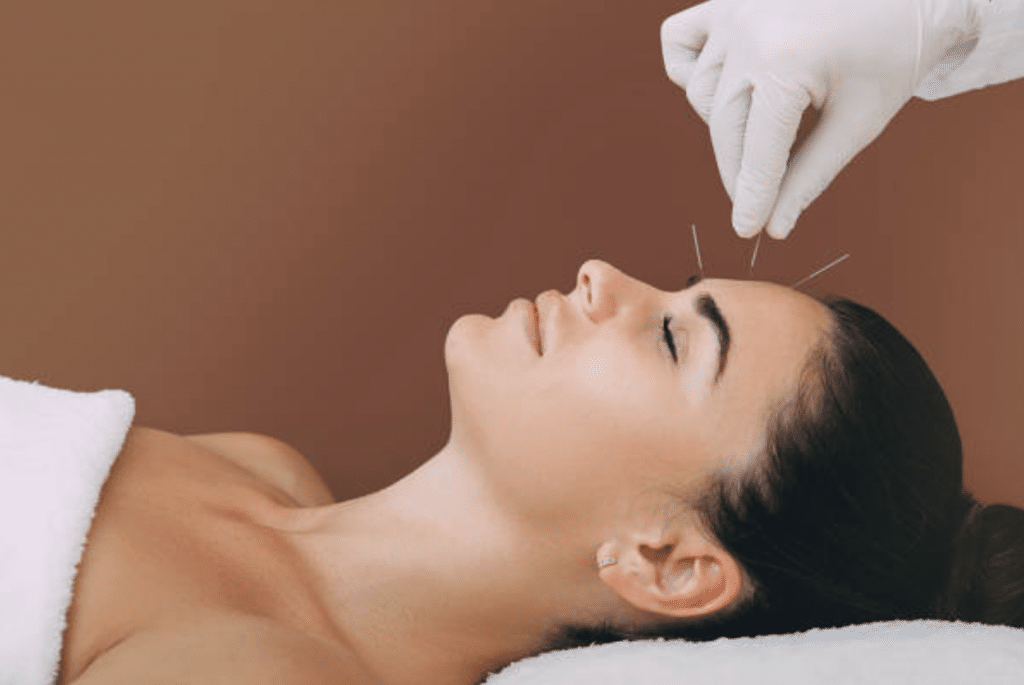
If you’re trying to conceive, Traditional Chinese Medicine (TCM) and acupuncture are often used as part of a holistic approach to reproductive wellbeing. People seek this type of care for a range of reasons, including support for general health, cycle regulation, and stress management.
Here are some common areas where acupuncture and TCM may be used:
Menstrual cycle regulation – Acupuncture is commonly used by people wishing to support a regular menstrual cycle and overall reproductive balance.
Circulation and pelvic health – Some people use acupuncture to support healthy blood flow as part of their broader fertility care.
Stress management – Trying to conceive can feel overwhelming at times. Acupuncture is often chosen for its calming and relaxing effects, which may help you feel more settled during this period.
At Almond Wellness Centre in Coburg and Ringwood Melbourne, our qualified practitioners provide professional, holistic support in a calm and welcoming space.If you’d like to learn more about how we offer care during pre-conception, you can also explore our page on fertility acupuncture. For those working with assisted reproduction, we provide additional information about IVF acupuncture support.
FAQ
Q1: When is the best time to conceive?
The best time to conceive is 1–2 days before ovulation. Sperm can survive up to 72 hours, so having intercourse before ovulation increases the chances of fertilization when the egg is released.
Q2: How can I track my ovulation accurately?
You can track ovulation by monitoring basal body temperature, checking cervical mucus changes, or using ovulation predictor kits (OPKs). These methods help estimate your fertile window.
Q3: Does timing intercourse guarantee pregnancy?
Timing is important but not the only factor. Sperm quality, hormonal balance, overall health, stress, and age also play key roles. Regular intercourse throughout your cycle can help reduce stress and improve chances.
Q4: Can acupuncture and Chinese medicine help with conception?
Acupuncture and Traditional Chinese Medicine are often used as part of a holistic approach to reproductive health. Some systematic reviews suggest they may support ovulation, endometrial thickness and pregnancy-rates when used alongside other fertility care.
Ready to Boost Your Fertility?
If you’re trying to conceive and want to explore natural ways to improve your chances, we’re here to help. Contact Almond Wellness Centre today to book a consultation and take the first step toward growing your family.
How sleep, melatonin, and acupuncture may improve your chances of conceiving in Melbourne
acupuncture for sleep and fertility
Why Sleep Matters More Than You Think When Trying to Conceive
When you’re trying to fall pregnant – naturally or through IVF – it’s easy to focus on supplements, ovulation timing, or test results.
But one of the most important foundations is often overlooked: your sleep.
In clinic, we regularly see patients who are doing “everything right”… yet struggling with:
Difficulty falling asleep
Waking up during the night and hard to back asleep
Feeling tired but wired
This matters more than it seems. Sleep is not just rest – it’s when your body regulates hormones, repairs cells, and prepares for reproduction.
The Biological Link: Sleep, Hormones, and Fertility
Your reproductive system is controlled by the hypothalamic–pituitary–ovarian (HPO) axis – a delicate hormonal communication system.
Poor or irregular sleep can disrupt this system and affect:
FSH (Follicle-Stimulating Hormone) → egg development
LH (Luteinizing Hormone) → ovulation timing
Progesterone → implantation support
Cortisol → stress hormone that interferes with fertility
When your circadian rhythm is off (late nights, shift work, stress, over-thinking), these hormones can become “dysregulated” – making conception harder.
Melatonin: Not Just a Sleep Hormone
While widely known as the “sleep hormone,” melatonin is also a potent antioxidant found in high concentrations in the follicular fluid surrounding a developing egg.
How Melatonin affects fertility outcomes:
Research shows:
Melatonin helps reduce oxidative stress, which can damage eggs and embryos. [Pubmed]
It may improve egg quality and embryo development. [Pubmed]
Some studies suggest improved clinical pregnancy rates in IVF cycles. [Pubmed]
This means melatonin supports fertility in two key ways:
Regulating sleep
Protecting egg quality at a cellular level
A Traditional Chinese Medicine (TCM) Perspective on Sleep
From a Traditional Chinese Medicine (TCM) perspective, good health depends on the balance between Yin and Yang: Yang is your active, daytime energy, while Yin is the restful, nourishing state your body relies on at night.
If your sleep is light or broken, it can be a sign that your Yin is insufficient, which may affect your fertility.
About the Author Dr. Richard Zeng (TCM Practitioner)
Dr. Richard Zeng has over 30 years of clinical experience, with a strong focus on fertility, IVF support, and women’s health. He integrates Traditional Chinese Medicine with modern reproductive science to support patients through every stage of their fertility journey.
FAQ
Does poor sleep affect fertility?
Yes. Poor sleep can disrupt reproductive hormones like FSH, LH, and progesterone, which are essential for ovulation and implantation.
Can melatonin improve IVF success?
Some studies suggest melatonin may improve egg quality and clinical pregnancy rates, although results are mixed and should be interpreted carefully.
How does acupuncture help with sleep?
Acupuncture helps regulate the nervous system, reduce stress, and support natural sleep cycles.
How many acupuncture sessions are needed?
This varies, but many patients notice improvements in sleep within 3 – 6 sessions.
She appeared to be having two periods every month.
Sarah’s cycles were so short that her “first” period would last five days with normal flow, followed by a second “period” just a few days later. This second bout of bleeding was lighter, accompanied by clear, stretchy discharge and a sharp, pulling sensation in her lower abdomen.
By analysing herBasal Body Temperature (BBT) and using ovulation tracking, we discovered that Sarah wasn’t having two periods. She was experiencing ovulation bleeding – and because she assumed it was a period, she was avoiding intercourse during her most fertile window.
So, What is Ovulation Bleeding?
Ovulation bleeding is light bleeding or spotting that occurs during ovulation.
The exact cause of ovulation bleeding is not clear, but it is thought to be related to changes in hormone levels that occur during ovulation. The surge in oestrogen and luteinising hormone that triggers ovulation can cause some women to experience spotting or light bleeding.
Traditional Chinese Medicine (TCM) looks even deeper into the energetic shifts of the cycle.
The TCM Perspective: Yin, Yang, and the Chong/Ren Vessels
In Chinese Medicine, the menstrual cycle is a rhythmic dance between Yin and Yang. Ovulation marks the pivotal transition where Yin reaches its peak and transforms into Yang.
When a patient experiences ovulation bleeding, it often signals a “disharmony of the transition.” Key TCM patterns include:
Kidney Yin Deficiency: If Yin is insufficient, it cannot clear the “Empty Heat” that arises during the mid-cycle transition. This heat can destabilize the Chong and Ren vessels (the “Sea of Blood” and “Conception Vessel”), causing blood to leave its path prematurely.
Damp-Heat in the Lower Jiao: Lingering dampness or heat can obstruct the flow of Qi, leading to mid-cycle spotting accompanied by the “stretchy” mucus or “ovulation pain” Sarah experienced.
Spleen Qi Deficiency: If the Spleen Qi is too weak to “hold” the blood within the vessels during the energetic surge of ovulation, spotting can occur.
Does Ovulation Bleeding Affect Fertility?
Ovulation bleeding is generally not a concern; however, it may affect chances of getting pregnant naturally. For instance, Sarah thought that she was having period. She avoided having intercourse during that period time, therefore missed her fertile windows and had difficulty to get pregnant.
How We Support Hormonal Balance
At our Coburg and Ringwood clinics, we use a combination of Acupuncture and Chinese herbal medicine to regulate the Chong and Ren vessels, and help fertility.
For Sarah, we focused on:
Nourishing Kidney Yin to cool the blood and provide a smooth transition into the luteal phase.
Strengthening the Spleen to ensure the vessels could properly contain the blood.
Regulating Qi to resolve the sharp ovulation pain.
After a few months of treatment, Sarah’s mid-cycle spotting ceased. With her “fertile window” now clear, she was able to time intercourse correctly. Within three months, she successfully became pregnant.
FAQs About Mid-Cycle Spotting
Is ovulation bleeding the same as an irregular period?
No. A period is the shedding of the uterine lining. Ovulation bleeding is a hormonal “blip” occurring mid-cycle, usually around Day 14–16.
How can I tell the difference?
Tracking your BBT is essential. A true period is preceded by a drop in temperature, while ovulation bleeding occurs right as the temperature begins to rise.
Can acupuncture stop mid-cycle spotting?
Yes. By balancing the Yin/Yang transition and supporting Kidney essence, acupuncture helps stabilize the hormones responsible for mid-cycle changes.
Start Your Journey to Balanced Health
If you are experiencing “two periods in one month” or struggle with cycle irregularities, don’t let it stand in the way of your fertility goals. At Almond Wellness Centre, we combine 30 years of clinical experience with traditional wisdom to help Melbourne families achieve their dreams of parenthood.
Disclaimer: While many patients see positive outcomes with TCM for fertility, results vary. Always consult with your fertility specialist and a registered TCM practitioner before beginning new treatments.
Is maternal caffeine intake associated with neonatal anthropometry?
Findings
In this cohort study of 2055 women from 12 clinical sites, measures of caffeine consumption (plasma caffeine and paraxanthine and self-reported consumption) were associated with neonatal size at birth.
Increasing caffeine measures were significantly associated with lower birth weight, shorter length, and smaller head, arm, and thigh circumference.
A study has found that caffeine consumption during pregnancy, even in amounts less than the recommended 200 mg per day, is linked to smaller neonatal anthropometric measurements.
The longitudinal cohort study in JAMA Network Open concluded that compared to women who drank no, or very little caffeine, women who drank the most caffeine (a plasma caffeine level of ≤ 28 ng/mL) had neonates who weighed 84 g less, were 0.44 cm shorter in length, a 0.28 cm smaller head circumference, a 0.25 cm smaller arm circumference, and a 0.29 cm smaller thigh circumference.
“Most of the research on caffeine and neonatal size at birth focuses on birthweight and length, while relying on self-reported measures of caffeine consumption.,” said senior author Katherine Grantz, MD, an investigator in the Epidemiology Branch, Division of Intramural Population Health Research, Eunice Kennedy Shriver National Institute of Child Health and Human Development (NICHD), National Institutes of Health, in Bethesda, Maryland.
The current study analyzed data from the NICHD Fetal Growth Studies–Singletons, which enrolled 2,055 nonsmoking women at low risk for fetal growth abnormalities with complete information on caffeine consumption from 12 U.S. clinical sites between 2009 and 2013.
“In the NICHD Fetal Growth Studies, we have rich data on multiple measures of neonatal anthropometry to more specifically characterize neonatal size, as well as objective measures of plasma concentrations of caffeine and its primary metabolite, paraxanthine,” Grantz told Contemporary OB/GYN.
The two main sources of caffeine were coffee and soda, which accounted for 35% and 41% of caffeine intake, respectively.
Caffeine was evaluated by both plasma concentrations of caffeine and paraxanthine and self-reported caffeinated beverage consumption measured/reported at 10 to 13 weeks gestation.
Caffeine metabolism was defined as fast or slow, based on genotype information from the single nucleotide variant rs762551.
“Prior caffeine studies have observed lower birthweight after consumption of higher amounts of caffeine — usually 200 to 300 mg, or 2 to 3 cups of coffee, daily,” said Grantz, who served as a co-principal investigator of the NICHD Fetal Growth Studies.
Before starting their analyses, the current authors knew that the average consumption in the sample was much lower, about 35 mg/day, and only 16 women reported drinking more than 200 mg/day.
Because of this low consumption, we were uncertain we would see any significant results, so it was surprising that we still found that increasing caffeine consumption, even at low levels, was associated with some smaller anthropometric measures in the offspring,” Grantz said. “Also, the finding that the decreases in birthweight were manifested by decreases in bone and muscle measures, but not skin folds and fat mass, were unexpected. These findings may indicate decreases in lean tissue as caffeine consumption increases.”
The clinical implications of the study are unknown, considering there were only small reductions in some neonatal anthropometric measures, Grantz said. “Other evidence suggests that even small amounts of caffeine intake during pregnancy (50 mg/day) could be associated with a higher risk of excess growth in infancy and childhood that could put children at higher risk of later cardiometabolic disease,” she said.
“Therefore, our results could indicate some disruption in normal fetal growth patterns, but will require more research to confirm.”
Although the study authors are unable to make recommendations based on the results of their single study, “we encourage pregnant women to talk to their providers about caffeine consumption, and suggest that caution may be warranted,” Grantz said.
The next step for the investigators is to evaluate the serial ultrasounds and fetal volumes conducted throughout pregnancy by the NICHD Fetal Growth Studies to determine when changes begin in fetal growth in relation to caffeine measures, and how these changes may be manifested in fetal volumes.
Disclosure
Grantz reports no relevant financial disclosures.
Reference
Gleason JL, Tekola-Ayele F, Sundaram R, et al. Association between maternal caffeine consumption and metabolism and neonatal anthropometry: a secondary analysis of the NICHD Fetal Growth Studies–Singletons. JAMA Network Open. Published online March 25, 2021. doi:10.1001/jamanetworkopen.2021.3238
broccoli is the star but eating plenty of green vegetables of the cruciferous family help the liver metabolise oestrogen.
Other cruciferous vegetables include: Bok-Choy, Brussels sprouts, Cabbage, Cauliflower, Chinese cabbage, Daikon radish, Horseradish, Kale, Radish, Turnip and Watercress.
Eat high fibre foods to help oestrogen bind in the bowel and assist elimination.
One source suggests that eating 1/2 cup of raw grated carrots can be enough fibre to assist in elimination
Decrease alcohol consumption
Assist the liver by drinking St Mary’s Thistle and Dandelion tea
Avoid soy
Eat a no sugar and no gluten diet
sugar and gluten are both highly inflammatory in susceptible people so should be avoided when possible
Be mindful of too many vitamins, supplements, medications and even caffeine that all need to be processed by the liver, where possible space them out through the day.
Chinese herbal medicine
Some Chinese herbal medicine /formula may help assist in balance your hormone. You may contact us for details.
Natural Ways to Increase Progesterone
Reduce stress
google progesterone steal if you are more interested in how stress affects progesterone levels
Supplements:
750 mg vitamin C per day (increased progesterone 77% and improved fertility)
600 mg vitamin E (increased progesterone in 67% of patients)
6 g L-arginine (increased progesterone in 71% of patients)
Increasing beta carotene in your diet, as found in:
Apricots, Asparagus, Broccoli, Carrots, Chinese cabbage, Chives, Dandelion leaves, Grapefruit, Herbs and spices – chilli powder, oregano, paprika, parsley, Kale, Onions, Peas, Peppers, Plums, Pumpkin, Spinach, Squash, Sweet potatoes. So again, get onto those carrots!
Supplementing with
Vitex Agnus Castus 1000mg daily
Black Cohosh or as we call it in Chinese Medicine ‘Sheng ma’ on days 1 to 12 (increases progesterone and fertility).
Weight loss
Improving insulin sensitivity (for example metformin increases progesterone levels 246%, chromium supplementation can help in regulating blood sugar in combination with a low sugar and low carbohydrate diet)
Replacing saturated fat in the diet with unsaturated fat
Eating a high protein, low carbohydrate diet
Lowering TSH levels in subclinical hypothyroidism
Chinese herbal medicine
Some Chinese herbal medicine /formula may help assist in balance your hormone. Contact us for details.
 Question