 Introduction
 Introduction
Trying to conceive (TTC) can be overwhelming, especially when nutrition headlines seem contradictory. Is soy a fertility superfood or a hormonal disruptor? The truth lies in understanding the type of soy, how it’s processed, and how it interacts with your body.
Quick Navigation
At Almond Wellness Centre in Melbourne (clinics in Coburg and Ringwood), we often guide patients on integrating soy into a fertility-friendly diet while supporting reproductive health with Chinese herbal medicine and acupuncture for natural fertility. and IVF Support. Let’s break down the science.
The Dual Nature of Plant Estrogens: The Master Key Analogy
The debate centres on isoflavones, a type of phytoestrogen in soy. Their effect is best described as Selective Estrogen Receptor Modulation (SERM).
Imagine your body’s estrogen receptors are locks.
- Your body’s estrogen is the master key that fits perfectly and unlocks a strong effect.
- Soy phytoestrogens are a substitute key that fits the lock but turns with much less force.
This leads to two smart scenarios:
- When Estrogen is Low: The substitute key (phytoestrogen) steps in, providing a gentle, supportive effect.
- When Estrogen is High: It occupies the lock, blocking the master key and helping to blunt an overly strong estrogenic effect.
This “wisdom” is why soy is known for helping to maintain hormonal balance.
The Case For Soy: Documented Fertility Benefits
Research increasingly supports including whole soy foods in a fertility diet:
- Improved IVF Outcomes: Studies link moderate soy intake to higher clinical pregnancy and live birth rates in women undergoing ART.
- Uterine Receptivity: Soy isoflavones may support a favorable endometrial environment for embryo implantation.
- Environmental Defense: By occupying estrogen receptors, soy may help protect against endocrine disruptors like BPA, which can harm reproductive health.
Why Fermented Soy is a Fertility Superstar
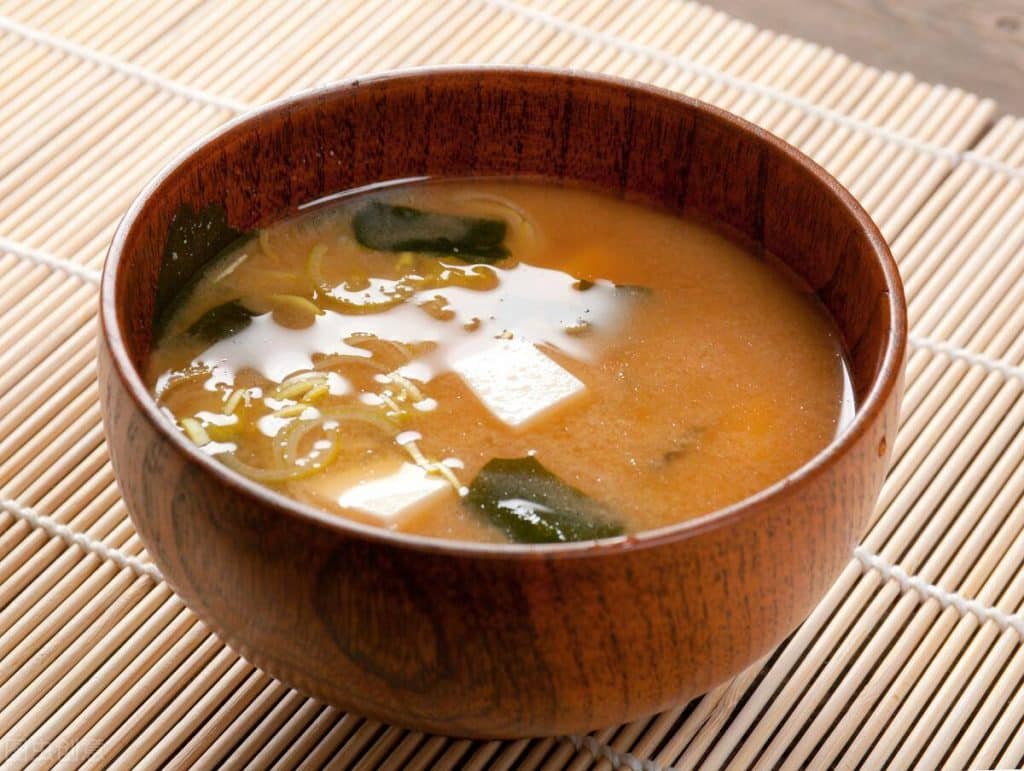
This is the game-changer. Fermented soy products like tempeh, natto, and miso offer distinct advantages:
- Enhanced Nutrient Absorption: Fermentation breaks down phytates (“anti-nutrients”), freeing up vital minerals like zinc and iron, which are crucial for ovulation and fetal development.
- Supercharged Isoflavones: The process converts isoflavones into a form your body can absorb more easily, maximizing their hormone-balancing potential.
- Gut Health Support: As fermented foods, they provide probiotics for a healthy gut microbiome, which is directly linked to improved immune function and balanced hormone metabolism.
The Caveat: It’s All About Dosage and Form
The concerns are real but often misapplied.
The Risk: Lab studies using extremely high concentrations of isolated isoflavones (genistein) have shown potential to interfere with sperm function and other processes.
The Reality: These concentrations are impossible to achieve through diet. The risk is tied to high-potency supplements, not whole soy foods.
Your Actionable TTC Plan
- Choose Food, Not Pills: Embrace whole soy foods like edamame, tofu, and especially tempeh and miso. Avoid isolated soy isoflavone supplements unless prescribed.
- Prioritize Fermented: Make fermented soy your go-to for maximum nutrient absorption and gut health benefits.
- Think Patterns, Not Just One Food: Incorporate soy into a broader fertility-friendly diet like the Mediterranean Diet.
Bottom Line
The fear that soy harms fertility is an oversimplification. The scientific consensus confirms that moderate consumption of whole, especially fermented, soy foods is not only safe but can be a beneficial component of your fertility journey. As always, consult your healthcare provider for personalised guidance.
More to Read
How to Check Your Cervical Mucus: A Step-by-Step Guide