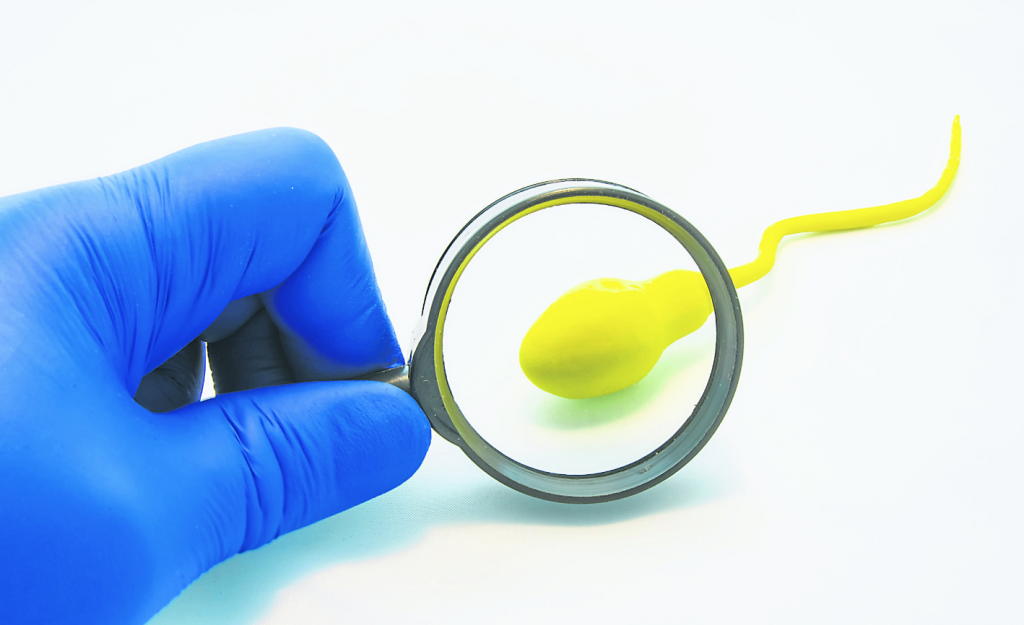
When most people think about fertility, the focus usually falls on ovaries, eggs, or hormones. It’s easy to assume fertility challenges are mainly a women’s issue. But the truth is, male factors contribute to nearly half of all infertility cases.
In our clinical experience, many couples have gone through multiple tests and treatments, yet no one has looked closely at sperm health beyond a basic semen analysis. Whether you’re trying naturally or preparing for IVF, sperm health deserves just as much care and attention. Ignoring it is like trying to finish a puzzle without its most essential piece.
Seeing Fertility Through the Lens of Chinese Medicine
Traditional Chinese Medicine (TCM) offers a holistic perspective for fertility – viewing it as a reflection of overall health and balance, not an isolated problem.
Jing – The Essence
In TCM, reproductive vitality stems from Kidney Jing, or theEssence – the deep life energy that supports growth, development, and reproduction. Sperm are seen as a physical expression of this essence. When Kidney Jing is strong, sperm are healthier, more motile, and more resilient.
The Liver and Spleen systems also play key roles:
The Liver ensures smooth energy flow and detoxification.
The Spleen supports digestion and nutrient transformation.
When these systems work in harmony, your body has everything it needs to produce healthy sperm.
The encouraging part? Sperm regenerate every 72–90 days – meaning positive changes through acupuncture, herbs, and lifestyle can show results in just a few months.
Modern Challenges to Sperm Health – and Why “Unexplained” Infertility Often Isn’t
Over the past few decades, studies have shown a steady global decline in sperm count and quality. Factors such as oxidative stress, chemical exposure, poor diet, disrupted sleep, and chronic stress all play a role in this decline.
In many cases, what’s labeled as “unexplained infertility” can actually be better understood through this lens. Standard semen analyses may appear “normal,” yet more subtle issues – such as oxidative damage or sperm DNA fragmentation – often go undetected.
From a Traditional Chinese Medicine (TCM) perspective, these modern stressors often manifest as internal imbalances such as:
Kidney Deficiency – linked to reduced vitality, lower libido, and hormonal imbalance
Liver Qi Stagnation – related to emotional stress, tension, and poor circulation
Damp-Heat Accumulation – reflecting inflammation, toxicity, or sluggish metabolism
These underlying patterns can interfere with the body’s ability to generate and protect healthy sperm. By identifying and correcting these imbalances, TCM helps restore the natural foundation for fertility and overall wellbeing.
When both partners receive a thorough, holistic evaluation and care, those hidden causes often come to light – opening new and more effective pathways to conception.
Sperm Health Reflects Whole-Body Health
Improving sperm quality isn’t just about fertility. Poor sperm health has been linked to metabolic disorders, cardiovascular disease, and hormonal imbalance.
As men enhance their sperm health, they often experience:
Better sleep and energy
Improved mental clarity
Balanced mood
Stronger vitality
Supporting reproductive health is truly about supporting overall wellbeing.
Working Together – TCM and Modern Fertility Medicine
We believe the best fertility outcomes happen when Traditional Chinese Medicine and modern reproductive medicine work hand in hand.
While IVF and IUI focus on conception, TCM strengthens the foundation – improving sperm health, hormone balance, and whole-body vitality. This integrative approach helps men become active participants in their fertility journey, not just observers. Click to see more of IVF support with acupuncture.
How We Support Male Fertility with TCM
Acupuncture
Research shows acupuncture may:
Improve sperm motility and morphology
Regulate testosterone and LH levels
Reduce inflammation and oxidative stress
Enhance sexual vitality and emotional wellbeing
Chinese Herbal Medicine
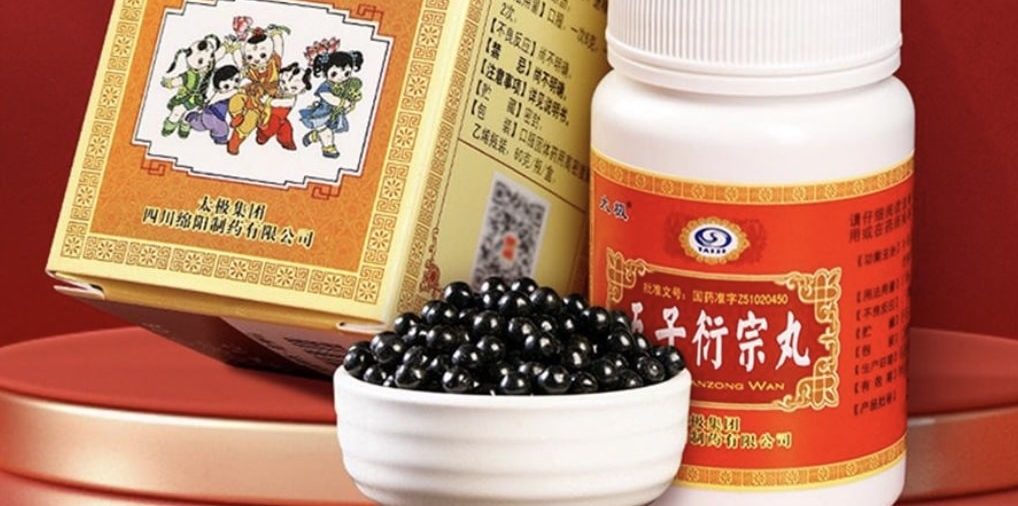
Wu Zi Yan Zong Wan – Five Seeds Combination for Sperm Health
Herbal prescriptions are fully personalised to your needs:
Essential nutrients: CoQ10, zinc, selenium, vitamins C & E, omega-3, vitamin D, L-carnitine
Avoid: alcohol, smoking, marijuana, saunas, tight clothing, and heat exposure
Add: gentle exercise, balanced meals, and restorative sleep for hormonal recovery and energy balance.
Let’s Take That Step Together
If you’re preparing for pregnancy or fertility treatment, now is the perfect time to invest in your sperm health.
At Almond Wellness Centre Melbourne, we use acupuncture, Chinese herbal medicine, and holistic lifestyle guidance to help you build a stronger foundation for both female and male fertility – naturally.
Supporting sperm health isn’t just about conceiving – it’s about helping you feel your best, inside and out.
Trying to conceive (TTC) can be overwhelming, especially when nutrition headlines seem contradictory. Is soy a fertility superfood or a hormonal disruptor? The truth lies in understanding the type of soy, how it’s processed, and how it interacts with your body.
At Almond Wellness Centre in Melbourne (clinics in Coburg and Ringwood), we often guide patients on integrating soy into a fertility-friendly diet while supporting reproductive health with Chinese herbal medicine and acupuncture for natural fertility. and IVF Support. Let’s break down the science.
The Dual Nature of Plant Estrogens: The Master Key Analogy
The debate centres on isoflavones, a type of phytoestrogen in soy. Their effect is best described as Selective Estrogen Receptor Modulation (SERM).
Imagine your body’s estrogen receptors are locks.
Your body’s estrogen is the master key that fits perfectly and unlocks a strong effect.
Soy phytoestrogens are a substitute key that fits the lock but turns with much less force.
This leads to two smart scenarios:
When Estrogen is Low: The substitute key (phytoestrogen) steps in, providing a gentle, supportive effect.
When Estrogen is High: It occupies the lock, blocking the master key and helping to blunt an overly strong estrogenic effect.
This “wisdom” is why soy is known for helping to maintain hormonal balance.
The Case For Soy: Documented Fertility Benefits
Research increasingly supports including whole soy foods in a fertility diet:
Improved IVF Outcomes: Studies link moderate soy intake to higher clinical pregnancy and live birth rates in women undergoing ART.
Uterine Receptivity: Soy isoflavones may support a favorable endometrial environment for embryo implantation.
Environmental Defense: By occupying estrogen receptors, soy may help protect against endocrine disruptors like BPA, which can harm reproductive health.
Why Fermented Soy is a Fertility Superstar
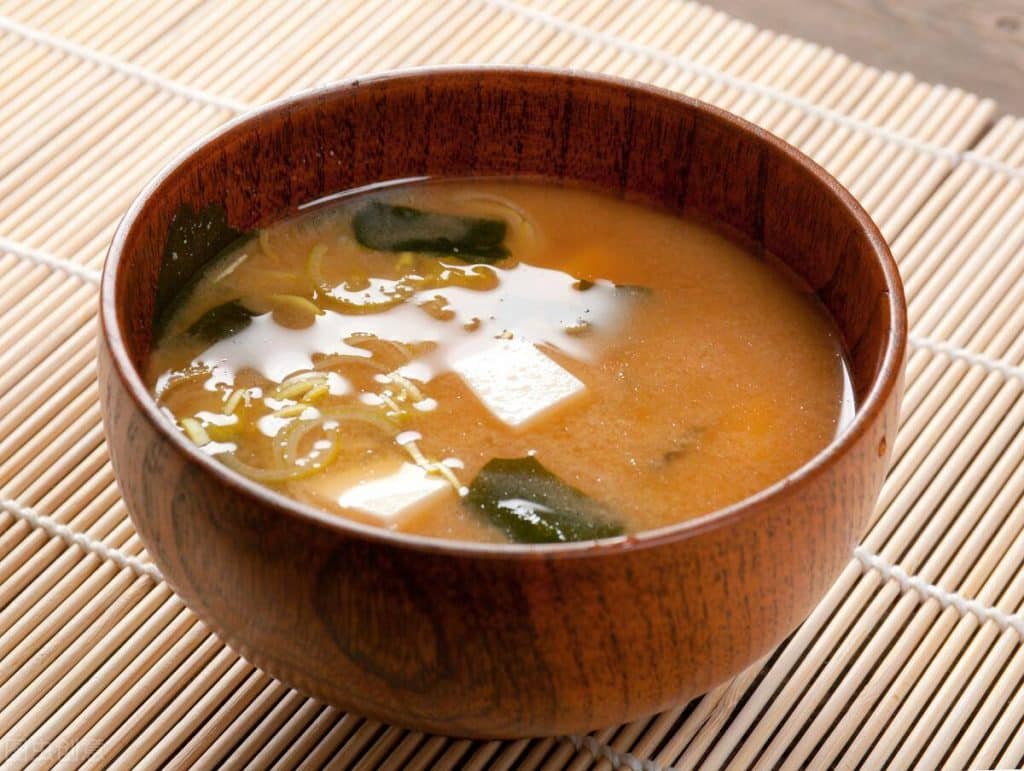
This is the game-changer. Fermented soy products like tempeh, natto, and miso offer distinct advantages:
Enhanced Nutrient Absorption: Fermentation breaks down phytates (“anti-nutrients”), freeing up vital minerals like zinc and iron, which are crucial for ovulation and fetal development.
Supercharged Isoflavones: The process converts isoflavones into a form your body can absorb more easily, maximizing their hormone-balancing potential.
Gut Health Support: As fermented foods, they provide probiotics for a healthy gut microbiome, which is directly linked to improved immune function and balanced hormone metabolism.
The Caveat: It’s All About Dosage and Form
The concerns are real but often misapplied.
The Risk: Lab studies using extremely high concentrations of isolated isoflavones (genistein) have shown potential to interfere with sperm function and other processes.
The Reality: These concentrations are impossible to achieve through diet. The risk is tied to high-potency supplements, not whole soy foods.
Your Actionable TTC Plan
Choose Food, Not Pills: Embrace whole soy foods like edamame, tofu, and especially tempeh and miso. Avoid isolated soy isoflavone supplements unless prescribed.
Prioritize Fermented: Make fermented soy your go-to for maximum nutrient absorption and gut health benefits.
Think Patterns, Not Just One Food: Incorporate soy into a broader fertility-friendly diet like the Mediterranean Diet.
Bottom Line
The fear that soy harms fertility is an oversimplification. The scientific consensus confirms that moderate consumption of whole, especially fermented, soy foodsis not only safe but can be a beneficial component of your fertility journey. As always, consult your healthcare provider for personalised guidance.
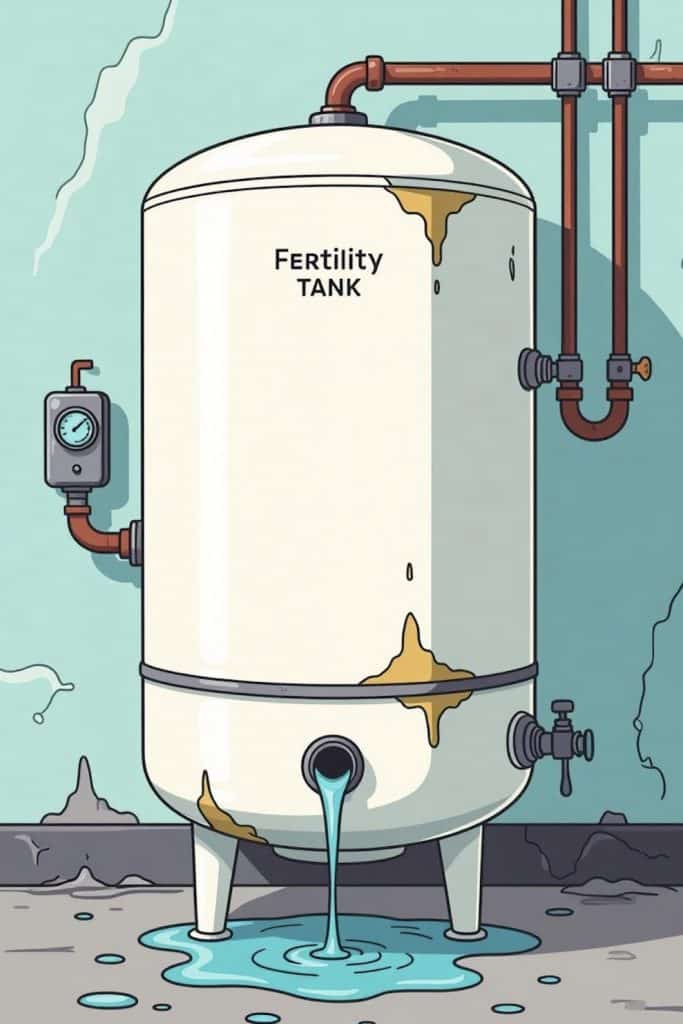
In Traditional Chinese Medicine (TCM), Kidney Jing (精, “essence”) is the cornerstone of lifelong reproductive health. Think of it as your body’s innate fertility reservoir – a vital energy “tank” governing conception, pregnancy, and hormonal vitality.
The Fertility Tank Analogy: Explained
Imagine your reproductive potential as a specialized water tank:
The Tank Itself = Your Kidneys (in TCM theory).
The Water (Jing) = Your fertility essence, composed of:
Congenital Jing (先天精): The baseline you’re born with – not full, but meant to fill over time.
Acquired Jing (后天精): Refilled daily by energy surpluses from healthy organs (Spleen, Lungs, Heart, Liver).
How It Works:
Childhood → Adolescence: The tank slowly fills as organs mature → triggers puberty/reproductive readiness.
Prime Fertility Years: A full tank supports strong ovulation, sperm quality, and conception.
Depletion Phase: Stress, aging, illness, or poor organ function → less surplus energy → tank refills slower or springs leaks → low fertility.
🔑 Key Insight:
TCM doesn’t just “add water” – it repairs leaks (chronic stress/lifestyle drains) and boosts supply lines (organ health) for sustainable replenishment.
Over time, stress, illness, poor diet, overwork, and natural ageing can slowly deplete your fertility tank. Many people who struggle with infertility have a tank that is running low or where the energy is not flowing well.
leaking fertility tank
Why Kidney Jing Matters for Fertility
In TCM theory, Kidney Jing is the deep reserve of life energy that influences your reproductive health throughout life. It:
Governs growth, development, and reproduction.
Influences the timing of puberty, menstrual regularity, and menopause.
Determines the quality and vitality of eggs and sperm.
Plays a crucial role in healthy pregnancy and foetal development.
When your Kidney Jing is abundant, fertility tends to be stronger. When it is depleted, conception can be more difficult, and reproductive function may decline.
Why Your Fertility “Tank” Runs Low (It’s Not Just About Aging)
In Traditional Chinese Medicine, your fertility essence (“Kidney Jing”) can drain faster than it refills for several key reasons – and aging is only one piece of the puzzle. Here’s what might be emptying your tank:
Chronic Stress or Overworking
When you’re constantly pushing yourself mentally or physically, it throws off your body’s delicate balance of Kidney Yin (cooling, nourishing energy) and Kidney Yang (motivating, warming energy). Think of it like an internal thermostat going haywire. This imbalance burns through your reserves, often leading to irregular periods, low ovarian reserve (AMH), or burnout.
Poor Diet, Digestion or Weak Spleen Energy
Your digestive system (governed by the Spleen in TCM) acts like a food-to-energy converter. If it’s weak – whether from poor diet, rushed meals, or chronic bloating – it fails to generate enough “energy surplus” from food. Without this extra fuel, your Kidneys can’t refill the fertility tank. Over time, this may contribute to poor egg or sperm quality.
Illness, Inflammation, or Past Trauma
Infections, chronic pain, or inflammation (like endometriosis or PCOS) create “blockages” in your body’s energy pathways. It’s like sludge building up in pipes – even if your tank has essence, it can’t flow freely to the uterus or ovaries. This can disrupt implantation, cycle regularity, or hormonal signalling.
Lack of Deep, Restorative Sleep
TCM views nighttime as your body’s prime opportunity to recharge Kidney Jing. If you’re consistently missing deep sleep (especially before 11 PM), your tank misses its daily top-up. This often shows up as fatigue, low libido, or hormonal imbalances like progesterone drops.
How TCM Refills & Protects Your Fertility Tank
The Big Picture
Your fertility tank isn’t isolated – it’s fed by your whole body’s health. Stress drains it. Poor digestion starves it. Inflammation blocks it. And without sleep, it never refills.
This explains why TCM doesn’t just “treat infertility.” Instead, it:
Repairs your energy supply lines (e.g., strengthening digestion to convert food into essence).
Unblocks stagnant pathways (e.g., using acupuncture to reduce inflammation).
Shields the tank from leaks (e.g., herbs that protect Jing from stress).
Egg Quality Is Not Just About Your Birth Certificate
As a Chinese Medicine (CM) practitioner with a background in Western medicine, I’ve seen the fertility journey from every angle. If you’re trying to conceive, you know egg quality is the absolute cornerstone of success.
Many women assume age is the only thing that matters – the ticking clock. But here’s what my clinic experience tells me: that’s simply not true.
I’ve treated healthy, relaxed 35-year-olds with better egg health than highly stressed 30-year-olds with chronic insomnia. Why the difference? Because egg quality is influenced by a complex web of factors that go far beyond your birthday.
In this guide, I’ll share my insights, blending Western medical science with the holistic wisdom of TCM, to show you exactly what is impacting your eggs—and what you can do about it.
The Western View: 5 Factors That Control Your Egg’s Health
Western medicine gives us a precise roadmap, often using lab tests to measure the physiological factors affecting your eggs.
1. Age: The “Time Code” (But Not the Final Word)
Yes, age is a factor. After 35, the number of available follicles (egg sacs) naturally declines, and the cell function (mitochondria) can slow down. This increases the risk of chromosomal abnormalities – the main reason for implantation difficulties as we get older.
The Data: Studies show that aneuploidy (chromosomal errors) in eggs can reach 60% in women over 40. This is why we focus on supporting the health of the remaining eggs.
2. Hormones: The Ovarian Barometer
Your hormones are the messenger system that tells your ovaries what to do. I rely on markers like AMH, FSH, and Progesterone to assess function.
High FSH can indicate your ovaries are less responsive.
Any hormonal imbalance can disrupt the delicate dance of follicle development, preventing your eggs from maturing and ovulating properly.
3. Lifestyle: Your Daily Choice, Your Egg’s Destiny
This is where you have the most control! I frequently remind my patients that poor habits are silent “destroyers” of egg potential:
Smoking and Alcohol: These toxins accelerate follicle loss and damage the egg’s DNA.
Weight (BMI ≥ 30): Studies link obesity to a higher rate of chromosomal abnormalities in eggs, which affects embryo quality.
Sleep Deprivation: Chronic lack of sleep throws off your central hypothalamic-pituitary-ovarian axis, disrupting your entire ovulation rhythm.
Exercise Balance: Moderate movement is fantastic for circulation and ovarian oxygenation. Excessive, high-intensity exercise, however, can suppress ovulation.
4. Chronic Inflammation and Oxidative Stress
Think of inflammation as rust in the system. Conditions like PCOS or hyperinsulinemia create chronic inflammation and free radicals. These damaging molecules harm the egg’s mitochondria (the cell’s power source), weakening its ability to develop and implant.
5. Medication Effects
Certain medications, from common NSAIDs (like Ibuprofen) to antidepressants (SSRIs) and hormonal treatments, can interfere with the ovulation process or impact egg quality. If you are on long-term medication, it’s vital to discuss its long-term effect on your ovarian function with your doctor.
The TCM View: Harmonising Organs for Optimal Fertility
In Tradtitional Chinese Medicine, we look deeper than lab numbers; we look at the flow of energy and the function of your whole body. Egg quality is fundamentally tied to the health of three key organs.
1. The Kidneys: The “Root” of Reproductive Essence
TCM considers the Kidneys to be the deepest reservoir of Essence (Jing)—your innate life force. Sufficient Kidney Essence ensures the arrival of “Tian Gui” (天癸 the menstrual cycle) and supports healthy follicle development.
Kidney Deficiency = Poor Egg Quality: Whether it’s Kidney Yang deficiency (feeling cold, slow cycles) or Kidney Yin deficiency (night sweats, scanty periods), insufficient Kidney support directly impacts the egg’s core vitality.
2. The Liver: Regulating Flow and Emotion
The Liver is responsible for the smooth flow of Qi and Blood and is closely tied to your emotions. When the Liver is stressed, it stagnates.
Liver Qi Stagnation: Often seen in conditions like PCOS or when there are luteal phase issues. Symptoms include anxiety, irritability, premenstrual breast tenderness, and irregular periods—all signs that the body’s flow is blocked, affecting ovulation.
3. The Spleen: Generating Nourishment
The Spleen is your body’s engine for transforming food into Qi and Blood. This Qi and Blood must be abundant to nourish the developing follicles.
Spleen Deficiency: Leads to insufficient nourishment for the eggs. Symptoms often include fatigue, bloating, loose stools, or excessive, sticky vaginal discharge. This is why I often warn patients that eating too many cold or greasy foods can damage the Spleen and, in turn, affect egg quality.
Integrated Approach: My Practical Tips for Better Eggs
Drawing from both Western diagnostics and TCM balance, here are actionable tips you can start today.
Focus Area
Western Medicine Advice
TCM Advice
Hormone Support
Discuss supplements like CoQ10 (for mitochondria), DHEA, or Vitamin D based on lab results.
I use formulas to tonify Kidney and nourish Blood (e.g., modified Liuwei Dihuang Wan) to support the ovarian microenvironment.
Emotional Health
Use CBT, meditation, or mindfulness to actively reduce stress and anxiety.
Acupuncture is fantastic for regulating Liver Qi (points like Taichong, Shenmen). Herbal formulas can help stabilise emotions.
Sleep Quality
Optimise your sleep environment, avoid screens before bed, and stick to a consistent schedule.
Use calming acupuncture points (e.g., Baihui, Anmian) and Heart-nourishing herbs to promote deep, restorative sleep.
Strengthen the Spleen! Avoid cold foods (iced drinks), limit greasy/spicy foods, and favour warm, nourishing foods (e.g., red dates, black beans).
Conclusion: Harmony for a Healthy Pregnancy
Improving egg quality is a marathon, not a sprint. It takes dedication and time, usually 3 to 4 months, to see real changes in your body.
My years of clinical practice have shown me that a balanced approach is best. Western medicine gives us precise tools to track and intervene, while TCM aim to enhance egg quality by harmonising your body’s deep energy reserves (Kidney Essence) and vital flow (Liver and Spleen function).
Whether you are preparing for natural conception or moving toward IVF, embracing this integrated approach may significantly boost your chances of a successful, healthy pregnancy.
I sincerely hope every woman preparing for pregnancy achieves her goal through thoughtful, personalised care.
Disclaimer: Individual responses to Chinese medicine treatment may vary. Consultation with a qualified TCM practitioner is recommended to determine the most suitable herbs, formulations and acupuncture treatment based on individual health conditions. This information is for educational purposes and does not replace professional medical advice.
Primary Ovarian Insufficiency (POI), sometimes called premature ovarian failure, affects about 1% of women under the age of 40. It is often diagnosed when periods stop, fertility declines, and blood tests show high FSH (follicle-stimulating hormone) with low AMH (anti-Müllerian hormone). For many women, doctors may recommend egg donation with IVF as the only option.
At Almond Wellness Centre in Melbourne, we often meet women who want to try natural options first. Acupuncture and Traditional Chinese Medicine (TCM) may help improve hormone balance, regulate the menstrual cycle, and support natural conception.
Case Report: POI Treated with Acupuncture and Chinese Medicine
A 28-year-old woman from Melbourne came to our clinic in 2016. She had been diagnosed with Primary Ovarian Insufficiency:
FSH: 135 IU/L (very high)
AMH: <0.1
No antral follicles seen on ultrasound
She was told that natural pregnancy was almost impossible and that her only option was egg donor IVF. But she strongly wished to conceive naturally with her own eggs.
Our Treatment Approach
We designed a personalised TCM treatment plan, combining:
Acupuncture – twice weekly sessions, using points to improve blood flow to the ovaries, regulate hormones, and reduce stress.
Chinese Herbal Medicine – stage-specific formulas to:
Nourish Kidney essence (fertility foundation in TCM)
Soothe Liver Qi (emotional stress)
Support ovulation and implantation
Lifestyle Guidance – advice on stress management, diet, and sleep routines.
Results
October 2016: Her period returned after months of amenorrhea.
November 2016: Basal Body Temperature (BBT) chart showed ovulation. She had a positive pregnancy test and ultrasound confirmed a healthy intrauterine pregnancy.
2017: She gave birth naturally to a healthy baby.
Why This Matters
This case shows how acupuncture and Chinese herbal medicine may support women with POI or high FSH who want to try natural conception. While this is just one case and results vary, research suggests that TCM may:
Regulate the hypothalamic-pituitary-ovarian (HPO) axis
Reduce stress and cortisol
Improve ovarian blood flow
Support hormone balance and menstrual cycles
Takeaway
For women in Melbourne facing Primary Ovarian Insufficiency (POI), premature ovarian failure, or high FSH, acupuncture and Chinese medicine may offer a natural option. Even when conventional medicine suggests egg donation, some women may still benefit from TCM approaches.
Disclaimer: Individual responses to Chinese medicine treatment may vary. Consultation with a qualified TCM practitioner is recommended to determine the most suitable herbs, formulations and acupuncture treatment based on individual health conditions. This information is for educational purposes and does not replace professional medical advice.
 When most people think about fertility, the focus usually falls on ovaries, eggs, or hormones. It’s easy to assume fertility challenges are mainly a women’s issue. But the truth is, male factors contribute to nearly half of all infertility cases.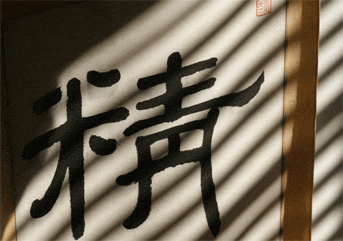

 Introduction