Finding Comfort Naturally: Acupuncture Points for Morning Sickness Relief
That queasy feeling that follows you from morning until night… The worry about keeping food down… The exhaustion that comes with constant nausea. If you’re experiencing morning sickness, you know it’s anything but “just in the morning”—and it can make those precious first months of pregnancy feel overwhelming.
As practitioners who specially interested in pregnancy care at Almond Wellness Centre, we want you to know that there are safe, natural ways to find relief. While professional acupuncture treatment offers the most comprehensive approach, there are specific points you can use at home to help ease those waves of nausea.
Note: Always consult with your healthcare provider before trying any new treatment during pregnancy. These techniques are meant to complement, not replace, professional care.
The Science Behind Acupuncture for Morning Sickness
Before we dive into the specific points, you might be wondering: does this really work? The research is encouraging. Studies have shown that acupuncture can significantly reduce the frequency and intensity of nausea and vomiting during pregnancy, often without the side effects that can come with medications.
From a Chinese medicine perspective, morning sickness often relates to changes in the Chong Mai (Penetrating Vessel) and imbalances in the Stomach and Spleen systems as your body adjusts to pregnancy. Acupuncture helps to harmonise these systems and settle what we call “rebellious Stomach Qi.”
Your Two Most Powerful Allies Against Nausea
1. PC6 (Nei Guan) – The Inner Gate
Location: On the inner forearm, about three finger widths up from your wrist crease, between the two tendons.
Why it works: PC6 is arguably the most famous anti-nausea point in the entire body. It’s located on the Pericardium meridian, which has a direct relationship with calming the Stomach and settling rebellion. This point is so effective that it’s used in hospitals post-operatively to reduce nausea and vomiting.
How to use it:
Apply firm but gentle pressure with your thumb
Massage in small circles for 1-2 minutes
Breathe deeply while stimulating the point
Repeat on both arms as needed throughout the day
Perfect for: That sudden wave of nausea when you smell something triggering, or when you feel queasy but don’t want to vomit.
2. ST36 (Zu San Li) – Leg Three Miles
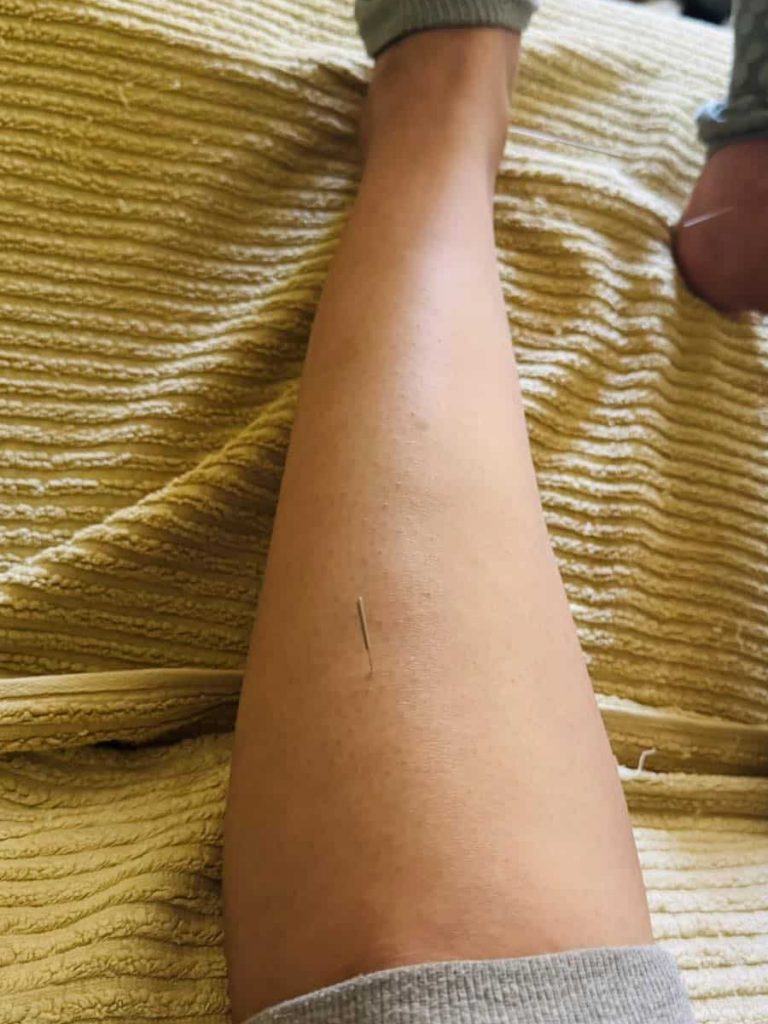
Location: On the front of your leg, about four finger widths below the kneecap, just to the outside of the shin bone.
Why it works: ST36 is the master point of the Stomach meridian. While PC6 addresses the symptoms of nausea, ST36 works to strengthen your entire digestive system. It’s like giving your stomach a supportive hug – helping it function better so it’s less likely to rebel in the first place.
How to use it:
Sit comfortably with your feet flat on the floor
Locate the point and apply steady pressure
You can use your knuckles or thumbs
Massage for 2-3 minutes on each leg
Perfect for: Ongoing digestive discomfort, poor appetite, or when you feel generally weak and nauseated.
Creating Your Anti-Nausea Routine
For best results, we recommend using both points together:
Morning Protocol: Start your day by stimulating ST36 on both legs to set a calm tone for your digestive system.
As-Needed Relief: Use PC6 whenever you feel a wave of nausea coming on, or every few hours as preventive maintenance.
Evening Wind-Down: Spend a few minutes with both points before bed to help settle your system for the night.
Enhancing Your Acupuncture Point Therapy
While these points can provide significant relief, they work even better when combined with other natural approaches:
Ginger: Sip ginger tea
Chew fresh ginger slices with a spoon of honey
Small, Frequent Meals: Keep something in your stomach—empty stomachs often feel worse
Vitamin B6: Discuss appropriate supplementation with your doctor
Anti-Nausea Acupressure Wristband: These wristbands apply constant pressure to PC6
Cold Foods: Often better tolerated than hot foods (smoothies, chilled fruit)
When to Seek Professional Help
While these self-care techniques can be incredibly helpful, there are times when professional support makes all the difference. Consider booking an acupuncture session if:
You’re vomiting multiple times per day
You’re losing weight or becoming dehydrated
Home remedies aren’t providing enough relief
You’d like a comprehensive treatment plan
At Almond Wellness Centre, our pregnancy acupuncture treatments are gentle and specifically tailored to your needs. We can also provide custom herbal formulas (when appropriate) and additional lifestyle recommendations.
Your Morning Sickness Questions, Answered
Q: Is it safe to stimulate these points during the first trimester?
A: Yes, both PC6 and ST36 are considered safe throughout all trimesters. However, we always recommend checking with your healthcare provider before starting any new therapy during pregnancy.
Q: How quickly will I feel relief when using these points?
A: Many women feel some relief within minutes of stimulating PC6. ST36 works more gradually to improve your overall digestive resilience. For lasting results, consistency is key—try to incorporate these points into your daily routine.
Q: Can I use these points if I have severe morning sickness (hyperemesis gravidarum)?
A: While these points may provide some relief, hyperemesis requires medical supervision. Please consult your doctor or midwife, and consider professional acupuncture as part of your comprehensive care plan.
Q: How often should I use these points?
A: You can use PC6 as often as needed – whenever you feel nauseous. ST36 is best used 1-2 times daily as a preventive measure. Listen to your body and adjust accordingly.
Q: I’m trying these points but not getting much relief. What else can help?
A: Sometimes morning sickness requires a multi-faceted approach. Professional acupuncture can use additional points and techniques that aren’t practical for self-care. We’re here to help when you need more support.
You Deserve to Enjoy Your Pregnancy
Remember, morning sickness is a sign that your pregnancy hormones are working, but that doesn’t mean you have to suffer through it. These simple techniques can help you reclaim some comfort and peace during these special months.
If you’re in the Melbourne area and would like professional support, we’re here to help at our Coburg and Ringwood clinics.
Book Online or call us at 03 8802 1519 to schedule your pregnancy acupuncture consultation.
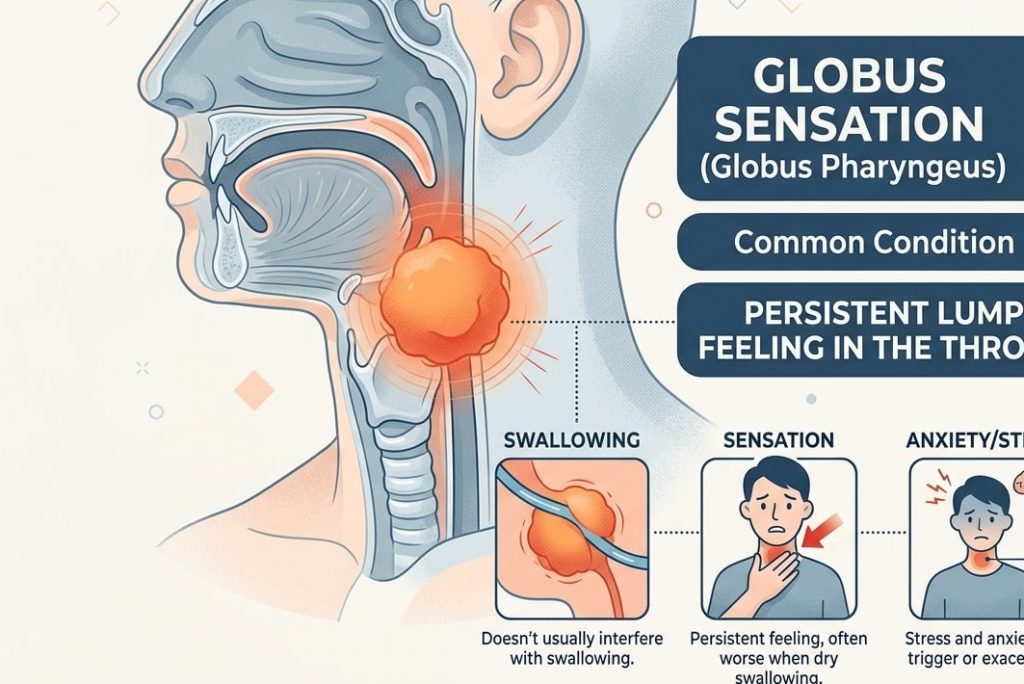
Have you ever felt a lump stuck in your throat, even though you know there’s nothing actually there? Maybe it’s worse when you’re stressed, and it eases when you’re eating or distracted. If this sounds familiar, you may be experiencing what Western medicine calls globus sensation (also known as globus pharyngeus), and what we in Chinese medicine call Plum Pit Syndrome, or 梅核气 (méi hé qì).
I see this in clinic more often than most people expect. It’s unsettling, and it’s often dismissed by the people around you as “just anxiety” or “all in your head.” I want to walk you through what’s actually going on, when it’s worth seeing a doctor, and where acupuncture and Chinese herbal medicine may fit into your care.
What Is Globus Sensation?
Western medicine uses a couple of names for this feeling:
Globus sensation
Globus pharyngeus
In Chinese medicine, we’ve described the same experience for centuries as Plum Pit Syndrome, or 梅核气 (méi hé qì) — literally, “plum pit qi,” because the sensation is said to feel like a small plum stone lodged in the throat: not quite blocking it, but always noticeable.
However it’s named, the sensation is remarkably consistent across patients. People describe it as:
Food or a foreign object stuck in the throat
A tight, constricted throat
A choking feeling, even without actual difficulty breathing
An urge to swallow constantly, trying to clear it
The defining, and honestly the most reassuring, feature of true globus sensation is that nothing is actually blocking the throat. Investigations are typically normal. The sensation is real, but it isn’t caused by a physical obstruction.
Symptoms
People experiencing globus sensation commonly describe:
A lump or fullness in the throat
A tight or constricted feeling in the throat
Frequent or repeated swallowing
Pressure in the throat, sometimes radiating to the neck
An inability to fully “clear” the throat, even after coughing or swallowing
Symptoms that worsen with stress, tiredness, or emotional upset
Symptoms that ease or disappear while actually eating or drinking
That last point is one of the more distinctive features clinically. Most people with globus sensation can swallow food and liquids without real difficulty. It’s the sensation between meals — often when swallowing saliva – that bothers them most.
What Causes a Lump in the Throat?
There isn’t one single cause. Current research suggests globus sensation is usually multifactorial – several things overlapping at once.
Stress and muscle tension. Anxiety and emotional strain are strongly associated with globus, and increased tension in the muscles of the throat and upper oesophageal sphincter is thought to contribute to the sensation in many patients.
Reflux (GERD/LPR). Gastro-oesophageal reflux disease and laryngopharyngeal reflux are among the most researched potential contributors, though the evidence is genuinely mixed. Some studies of globus patients find a high rate of reflux episodes on pH monitoring, while others find no clear difference from people without globus, so reflux is best thought of as a common contributing factor in some patients rather than the whole explanation.
Muscle tension and swallowing dysfunction. Some research points to abnormal tension in the throat muscles or upper oesophageal sphincter, and altered swallowing coordination, as part of the picture.
Postnasal drip and sinus issues. Mucus draining down the back of the throat can create a similar “something’s there” feeling.
Thyroid changes. An enlarged thyroid or thyroid nodules can occasionally cause a genuine sensation of throat fullness, which is one of the reasons a proper assessment matters.
Allergies. Chronic postnasal drip and throat irritation from allergic rhinitis can mimic or contribute to globus symptoms.
Oesophageal disorders. Less commonly, motility disorders of the oesophagus can produce a globus-type sensation.
It’s worth being direct here: serious causes, including throat or oesophageal cancers, are far less common causes of this sensation than the benign, functional causes above. But they need to be ruled out if certain warning signs are present, which brings us to the next section.
When Should You See a Doctor?
This is the most important section of this article, and I don’t want to bury it.
Please see your GP or an ENT specialist promptly if you notice any of the following alongside a lump-in-throat sensation:
Genuine difficulty swallowing food (not just a sensation, but food actually getting stuck)
Unexplained weight loss
Persistent throat or neck pain
Coughing up blood
A lump or swelling you can feel in your neck
A history of smoking or heavy alcohol use
Hoarseness lasting more than a few weeks
None of these are typical of straightforward globus sensation, and they warrant a proper medical work-up, which may include a nasolaryngoscopy or other imaging, before anything else is addressed. Globus pharyngeus is generally considered a diagnosis of exclusion — meaning it’s confirmed by ruling out other causes first, not simply assumed.
If you’ve already had these red flags checked and cleared, and you’re left with a persistent lump-in-throat sensation, that’s exactly where the rest of this article — and where Chinese medicine – can be genuinely useful.
What Does Chinese Medicine Think?
In Chinese medicine, Plum Pit Syndrome is classically linked to emotional strain – frustration, anxiety, suppressed worry, or long-held sadness. We describe this process in a few connected stages:
Liver Qi stagnation. The Liver is considered responsible for the smooth, unimpeded flow of Qi throughout the body, especially Qi tied to our emotional state. When emotions are suppressed or unexpressed over time, Liver Qi can become “stuck,” or stagnant.
Phlegm accumulation. When Qi stagnates, it can disrupt the Spleen’s ability to transform and transport fluids properly. Over time, this creates what we call phlegm — not necessarily mucus you can see or cough up, but a pathological substance that, in the Chinese medicine model, can lodge in the throat.
Qi and phlegm binding in the throat. This is the crux of Plum Pit Syndrome: stagnant Qi and phlegm are described as binding together at the throat, at the junction we sometimes refer to as the “mercury channel.” This is what produces that classic sensation of something stuck, that won’t quite come up and won’t quite go down.
Spleen deficiency. In many patients, especially those with a longer history of the condition, an underlying weakness in Spleen function contributes to ongoing phlegm formation, making the pattern self-perpetuating.
Put simply: emotional strain affects the Liver, the Liver’s stagnation affects the Spleen, and the combination produces phlegm that settles in the throat. Treatment in Chinese medicine is aimed at all three: moving the stuck Qi, resolving the phlegm, and, where needed, supporting the Spleen.
How Can Acupuncture Help?
Rather than simply listing acupuncture points, I think it’s more useful to explain what we think is actually happening when acupuncture helps with this condition.
Modern research into acupuncture for globus and related throat and gastrointestinal conditions suggests several possible mechanisms:
Reducing the stress response. Acupuncture is associated with changes in markers linked to the body’s stress and anxiety response.
Regulating the autonomic nervous system. Several throat and swallowing-related symptoms are thought to be influenced by parasympathetic and sympathetic nervous system balance, which acupuncture may help modulate.
Decreasing muscle tension. This includes tension in the muscles around the throat and upper oesophagus, which is one of the proposed contributors to globus sensation.
Improving swallowing coordination. Points local to the throat are traditionally selected to directly address the sensation at its site.
Reducing anxiety. Given how closely globus is tied to emotional stress, addressing anxiety is often a meaningful part of managing the physical sensation.
Improving sleep. Poor sleep and heightened stress tend to feed into one another, and better sleep often correlates with an easing of globus symptoms.
In my clinic, points I commonly consider include Tiantu (Ren 22, 天突), located at the throat itself, to work locally on the sensation; Taichong (Liver 3, 太冲), to help move stagnant Liver Qi; Zusanli (Stomach 36, 足三里), to support digestive function and reduce phlegm formation; and Shenmen (Heart 7, 神门), to help calm the mind. The exact point selection is always individualised to the pattern I find in each patient.
I want to be direct about the limits of what acupuncture can promise here: acupuncture may help support a reduction in symptoms and improve quality of life for some people with globus sensation, but it isn’t a guaranteed cure, and it works best as part of an individualised plan rather than a stand-alone fix.
What Research Says
The research base specifically on acupuncture for globus sensation is still small, but it is growing, and what exists is genuinely interesting.
One randomised, single-blind crossover trial involving 80 patients with globus pharyngeus tested transcutaneous electroacupuncture at four points — Tiantu (CV22), Sanjian (LI3), Shaoshang (LU11), and Zusanli (ST36) — against a sham control. The trial found that stimulation at CV22 and LU11 in particular produced a meaningful improvement in globus symptoms, and the researchers proposed this worked partly through effects on the parasympathetic nervous system and related neuropeptides. This is one of the few controlled trials in this specific area, and while it used electrical stimulation via surface electrodes rather than traditional needling, it adds real evidence that stimulating these classic points can shift globus symptoms, not just sensation reporting.
Separately, case-based literature describes acupuncture combined with other traditional therapies producing symptom improvement in globus hystericus, the older Western clinical term still used interchangeably with globus pharyngeus in some of the research literature. These are smaller, less rigorous studies than randomised trials, so they should be read as illustrative rather than conclusive.
On the Western medical side, ENT literature consistently frames globus pharyngeus as a common but poorly understood condition. Reviews estimate it accounts for roughly 3–4% of new referrals to ENT clinics, with far higher rates in the general population who never present for care at all. These reviews are consistent in describing globus as benign in the vast majority of cases once red-flag symptoms are excluded, and in noting that no single treatment approach — including proton pump inhibitor therapy for reflux — has strong, consistent evidence behind it.
Taken together, the honest summary is this: evidence for acupuncture in globus sensation is promising, particularly for point combinations like CV22 and LU11, but it’s still an early and limited body of research. It sits alongside a Western medical literature that similarly lacks a single well-proven treatment, which is part of why an individualised, multi-pronged approach tends to make clinical sense.
Chinese Herbal Medicine
Chinese herbal medicine has a long history of use specifically for this pattern, and several formulas are commonly considered depending on your individual presentation.
Ban Xia Hou Po Tang (半夏厚朴汤, Pinellia and Magnolia Bark Decoction). This is the classical formula most closely associated with Plum Pit Syndrome, and it’s often our starting point. It’s generally suited to patients whose main issue is that stuck, phlegm-and-Qi sensation in the throat, particularly when there’s a clear stress trigger.
Xiao Yao San (逍遥散, Free and Easy Wanderer Powder). When emotional stress, irritability, or a sense of being “wound up” predominates over the throat sensation itself, this formula is often more appropriate, as it’s specifically aimed at smoothing Liver Qi.
Er Chen Tang (二陈汤, Two-Cured Decoction). For patients where phlegm signs are more prominent — a heavier sensation, more mucus, a thicker tongue coating — this formula focuses more directly on resolving phlegm.
I want to be clear that these formulas are not interchangeable, and they aren’t a “pick one off the shelf” solution. Herbal prescriptions need to be individualised to your pattern, constitution, and any other medications you’re taking, which is why this is something to discuss directly with a qualified practitioner rather than self-prescribe.
Self-Care
Alongside professional treatment, there’s a lot you can do day to day to support your recovery.
Manage stress actively. Meditation, deep breathing, and regular physical movement — walking, jogging, yoga — all help regulate the nervous system responses tied to globus symptoms.
Protect your sleep. Poor sleep tends to amplify both anxiety and physical tension, both of which feed globus sensation.
Stay physically active. Regular, moderate exercise supports both stress regulation and healthy digestion.
Practise breathing exercises. Slow diaphragmatic breathing can directly ease tension in the throat and neck muscles.
Mind your diet. A lighter diet, easier on digestion, can help reduce phlegm formation from a Chinese medicine perspective. Heavy, greasy, and very cold or raw foods are generally best minimised if you’re prone to this pattern.
Watch reflux triggers. If reflux plays any role for you, reducing late-night eating, alcohol, caffeine, and very fatty meals, and avoiding lying down soon after eating, may help.
Limit voice overuse. If you talk or sing extensively for work, vocal strain can compound throat tension.
Stay hydrated. Water and warm herbal teas support the body’s ability to keep fluids moving rather than accumulating as phlegm.
Build supportive connections. Positive social contact genuinely buffers stress. It’s also worth limiting time on social media, particularly content that leaves you more anxious rather than less.
Try mindfulness. Even a few minutes a day of focused, non-judgemental attention to the present moment has reasonable evidence for reducing the anxiety that so often accompanies this condition.
Frequently Asked Questions
Can anxiety cause a lump in the throat?
Yes. Anxiety is one of the most consistently reported triggers for globus sensation, likely through increased muscle tension in the throat and changes in nervous system regulation.
Is globus sensation dangerous?
In the large majority of cases, no. It’s considered a benign, functional condition once serious causes have been excluded through appropriate assessment.
Can acid reflux cause globus?
It can contribute for some people, though the relationship is debated in the research literature. Reflux is one of several possible contributing factors rather than a universal cause.
Can acupuncture help globus sensation?
Emerging research, including a randomised trial using specific point combinations, suggests acupuncture may help reduce globus symptoms for some people, though the overall evidence base is still limited.
How many acupuncture treatments are needed?
This varies significantly between individuals, depending on how long you’ve had symptoms and what’s contributing to them. We’ll typically suggest a short course initially to assess your response before recommending an ongoing plan.
Will the lump disappear by itself?
For some people, globus sensation resolves on its own, particularly if it’s tied to a temporary stressful period. For others, it becomes a persistent, recurring issue that benefits from active management.
Can stress make it worse?
Yes, stress is one of the most commonly reported aggravating factors, and many patients notice a clear pattern between stressful periods and symptom flares.
What foods should I avoid?
If reflux is a factor for you, heavy, greasy, spicy, and very acidic foods, along with alcohol and caffeine, are worth moderating. From a Chinese medicine perspective, we’d also suggest minimising foods that are considered to encourage phlegm, such as excessive dairy and very cold or raw foods.
Conclusion
A persistent lump-in-throat feeling is unsettling, but in the great majority of cases, it isn’t a sign of anything sinister. If you haven’t yet had a proper assessment, or if you notice any of the red-flag symptoms above, please see your GP or an ENT specialist first. Once serious causes are excluded, globus sensation – or what we call Plum Pit Syndrome – often responds well to an individualised approach that addresses both the physical and emotional sides of the condition. Acupuncture and Chinese herbal medicine may be a useful part of that plan, alongside stress management, healthy sleep, and attention to any reflux triggers. If you’d like to talk through your specific symptoms, I’m always happy to help you work out the right approach for you.
References
Zhou W, Deng Q, Jia L, et al. Acute Effect of Transcutaneous Electroacupuncture on Globus Pharyngeus: A Randomized, Single-Blind, Crossover Trial. Front Med. 2020. DOI: 10.3389/fmed.2020.00179
Globus hystericus co-treated with acupuncture and five-element music therapy. ScienceDirect (case report).
Kortequee S, et al. Management of Globus Pharyngeus. International Journal of Otolaryngology. 2013. DOI: 10.1155/2013/946780
Lee BE, Kim GH. Globus pharyngeus: A review of its etiology, diagnosis and treatment. World J Gastroenterol. PMC3360444.
An approach to globus pharyngeus. PubMed PMID: 39099124 (narrative review, primary care guideline).
Management of globus pharyngeus: Review of 699 cases. ResearchGate.
Review: Current Trends in the Diagnosis and Management of Globus Pharyngeus. SCIRP.
Wang T, Xu C, Pan K, Xiong H. Acupuncture and moxibustion for chronic fatigue syndrome in TCM: a systematic review and meta-analysis. BMC Complement Altern Med. 2017. DOI: 10.1186/s12906-017-1647-x (supporting reference on acupuncture mechanisms relevant to stress-related functional conditions).
Additional references on 梅核气 (Plum Pit Syndrome) pattern differentiation and classical formula use, and on GERD/LPR associations with globus, should be added from CNKI and PubMed searches at time of publication to reach the target of 10–20 citations, with full bibliographic detail and access dates.
Struggling with itchy, uncomfortable eyes can be really frustrating. If you’ve been searching for relief, you’re in the right place. Traditional Chinese medicine offers a simple yet effective solution with two amazing herbs: Dandelion (蒲公英) and Tribulus terrestris (白蒺藜).
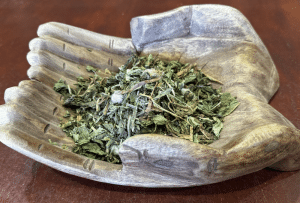
herb pu gong ying – dandelion
Why Dandelion and Tribulus terrestris Work Wonders
Both of these herbs have been cherished in Chinese medicine for their ability to soothe eye discomfort. According to the “Pharmacological Rhymes” (《药性赋》), dandelion helps with issues like breast abscesses and promotes the smooth flow of Qi, while Tribulus terrestris is known for treating skin sores and improving eye health.
These herbs are recommended together for their gentle yet powerful effects on eye problems such as itchiness, dryness, and irritation. People love this combination for its natural approach to eye care.
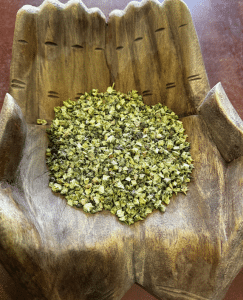
herb bai ji li – Tribulus Terrestris
How to Use These Herbs
Using these herbs is straightforward. Here’s how you can prepare the remedy:
Ingredients: Combine 50 grams of dandelion with 50 grams of Tribulus terrestris.
Preparation: Blend the herbs and grind them into a coarse powder.
Dosage: Take 10 grams of the herb powder and steep it in boiling water to make a tea. Drink this tea twice daily.
This formula has been beneficial for many people. Since dandelion grows abundantly in the wild, it is an easily accessible remedy.
Additional Benefits
Dandelion’s benefits extend beyond the eyes. It can also assist with other conditions such as pneumonia, esophagitis, cholecystitis, gastritis, and peptic ulcers. Its mild nature makes it a valuable remedy. When paired with goldenfruit cornlily, dandelion enhances treatments for chronic gastritis and gastric ulcers.
A Trusted Formula
The well-known Chinese medicine expert Zhang Xichun praised dandelion for its role in treating various eye issues, including swelling, pain, pterygium, red veins, eye pressure pain, photophobia, and excessive tearing. Whether taken internally or used as a wash, dandelion provides noticeable relief, especially for dry, itchy eyes in elderly individuals.
Zhang Xichun also shared an effective dandelion decoction formula:
Ingredients: Four taels of fresh dandelion (including root, leaves, stem, and flower) or two taels of dried dandelion if fresh is not available.
Preparation: Boil the herbs to make two large bowls of decoction.
Usage: Drink one bowl of the warm decoction and use the remaining bowl for hot compresses and eye washing.
This formula has been beneficial for many people. Since dandelion grows abundantly in the wild, it is an easily accessible remedy.
Final Advice
Traditional Chinese medicine offers many natural solutions for common health issues. If you’re dealing with itchy eyes, consider trying dandelion and white tribulus. However, always consult with a healthcare professional before starting any new treatment.
At Almond Wellness Centre in Melbourne, we offer not only raw dried herbs but also convenient herbal granules. These granules are extracted and concentrated, so you get the benefits of traditional Chinese herbal medicine without the hassle of preparation. It’s a great option for anyone who wants to simplify their wellness routine.
Disclaimer:
This post shares knowledge about traditional Chinese medicine. The herbal formulas mentioned are for informational purposes and should not replace professional medical advice.
Prolonged Sitting During Pregnancy May Affect Placenta Health, Study Finds
A recent study has found that long periods of sitting during pregnancy could potentially affect placental health, which is crucial for the well-being of both mother and baby. (Source: Journal of Science and Medicine in Sport)
Study Details
The Queensland Family Cohort study, conducted in Queensland, Australia, discovered that pregnant women who sit for extended periods may face risks to their placenta’s health, impacting fetal development. The research tracked 203 pregnant women, who reported their physical activity levels at 24 and 36 weeks of pregnancy. Participants were divided into low, moderate, and high activity groups, with special attention to their daily sitting time. Sitting for more than 8 hours a day was considered excessive.
Key Findings
Using ultrasound technology, the researchers evaluated the health of the placenta, including its stiffness, thickness, and blood flow resistance. They found that overall physical activity levels did not significantly affect placental health. However, women who sat for more than 8 hours daily had stiffer placentas and altered blood flow, indicating potential functional impairment.
Importance
The placenta is vital for providing oxygen and nutrients to the fetus, acting as a crucial bridge between mother and baby. Any factor affecting placental health needs careful attention. This study highlights that excessive sitting could impair placental function, potentially impacting fetal growth.
Implications for Pregnant Women
It’s essential for pregnant women to maintain appropriate physical activity during pregnancy. This study emphasizes the importance of reducing prolonged sitting and encourages regular movement throughout the day to promote placental health and optimize fetal development.
Daily Activities and Exercise Recommendations
Dr. Richard Zeng from Melbourne’s Almond Wellness Centre suggests that healthcare providers should educate pregnant women about the risks of prolonged sitting. They should also encourage regular activity breaks and suitable physical exercises to mitigate these risks and support maternal and faetal health.
Daily Activities
Walking: Aim for 30 minutes of walking daily to stay active and relaxed. Morning or evening walks are ideal to avoid high temperatures.
Household Chores: Light housework, like tidying up or washing dishes, can help maintain activity levels. Avoid lifting heavy objects or prolonged bending.
Standing Breaks: Try to stand and walk for a few minutes every hour to avoid long periods of sitting.
Physical Exercise
Prenatal Yoga: Helps enhance flexibility and strength while reducing stress and anxiety. Consider joining a prenatal yoga class with an experienced instructor.
Swimming: Excellent for full-body exercise with minimal pressure on joints and the back. Slow swimming or water aerobics are good options.
Prenatal Pilates: Strengthens core muscles, improves posture, and balance. Seek guidance from a professional trainer.
Low-Intensity Aerobic Exercise: Activities like light jogging or stationary biking for 20-30 minutes, 3-5 times a week, keeping intensity moderate to avoid fatigue.
Acupuncture for Symptom Relief
Pregnancy Acupuncture: For symptoms like lower back, hip or pelvis pain, acupuncture can be an effective treatment option. It helps alleviate discomfort and promote overall well-being. Ensure treatments are performed by a licensed and experienced practitioner.
Precautions
Consult a Doctor: Always consult with a healthcare provider before starting new activities or exercise routines.
Stay Hydrated: Ensure adequate fluid intake during and after exercise.
Wear Comfortable Clothing: Choose suitable shoes and loose, comfortable clothing.
Listen to Your Body: Stop any activity if you feel unwell, dizzy, or fatigued, and consult a doctor.
Appropriate daily activities and exercise can help pregnant women maintain good physical and mental health, preparing them for childbirth and postpartum recovery.
Seeking pregnancy support in Melbourne? Visit our specialised Pregnancy Acupuncture page.
Cancer treatment might end, but for many survivors, the journey to feeling truly well can be a long one. Thankfully, acupuncture and Chinese medicine offer promising ways to tackle the lingering challenges. Beverley de Valois, in her article “Acupuncture and Cancer Survivorship: The Missing Piece,” and the Almond Wellness Centre both highlight how these traditional therapies can be game-changers for cancer survivors.
Life After Cancer Treatment: The Reality
So, you’ve beaten cancer. That’s fantastic! But if you’re like many survivors, you might still be grappling with a range of physical and emotional issues. From persistent pain and fatigue to anxiety and sleep problems, the aftermath of cancer treatments can be tough. This is where acupuncture and Chinese medicine step in, offering a holistic approach to help you feel better overall.
Why Acupuncture Works
Acupuncture isn’t just about needles—it’s about restoring balance. It can help with chronic pain, hot flushes, lymphedema, and those pesky sleep problems. Even better, it has fewer side effects than many conventional treatments. Plus, it’s fantastic for your mental health, helping to reduce anxiety, depression, and the fear of cancer coming back.
The Power of Chinese Herbal Medicine
Over at Almond Wellness Centre, they combine Chinese herbal medicine with your conventional treatments. Research shows that this combination can ease symptoms like low white blood cell count, nausea, vomiting, and anaemia. This is especially helpful for patients with cancers such as non-small cell lung cancer, gastric cancer, and liver cancer. By improving blood counts and reducing side effects, these herbs can really boost your overall well-being.
Integrative Care: The Best of Both Worlds
Integrating acupuncture and Chinese herbal medicine into your cancer care routine offers a well-rounded approach that addresses both your body and mind. Here’s how it can help:
Beat Fatigue: Acupuncture can tackle cancer-related fatigue, giving you more energy to enjoy life.
Manage Pain: It’s effective for pain, including that caused by chemotherapy-induced neuropathy.
Ease Side Effects: Both acupuncture and herbal medicine can reduce chemo side effects like nausea, vomiting, and low blood counts.
Improve Sleep: By reducing stress and anxiety, acupuncture can help you sleep better.
Boost Quality of Life: Addressing physical symptoms and providing emotional support, these therapies can significantly improve your overall quality of life.
Backing It Up with Research
Research supports the effectiveness of these therapies. For instance, studies show that acupuncture can reduce pain and improve quality of life for cancer patients. It’s also been shown to alleviate symptoms like hot flashes and joint pain in breast cancer patients, and herbs like chamomile and lavender can help with anxiety and depression.
Personalised Care at Almond Wellness Centre
At Almond Wellness Centre in Coburg and Ringwood, you’ll get a personalised treatment plan that fits your unique needs. Dr. Richard Zeng and his team are dedicated to supporting your cancer recovery with acupuncture, Chinese herbal medicine, and lifestyle advice tailored just for you.
Wrapping It Up
Acupuncture and Chinese medicine can make a huge difference in your life after cancer treatment. By addressing both physical and emotional challenges, these therapies offer a holistic approach to improving your quality of life and supporting long-term recovery. If you’re considering these complementary therapies, reach out to experienced practitioners to see how they can help you on your journey to better health.
References
De Valois, B. (2023). Acupuncture and Cancer Survivorship: The Missing Piece.
Science Reports (2015). Combining CHM with chemotherapy reduces symptoms in cancer patients.
de Valois B. Acupuncture and Cancer Survivorship: Recovery, Renewal, and Transformation. London: Singing Dragon; 2023.
Journal of Clinical Oncology (2010). Acupuncture reduces pain and dysfunction in head or neck cancer patients.
PubMed (2024). Electroacupuncture improves fatigue, anxiety, and depression in breast cancer patients.
PubMed (2010). Acupuncture for hormone-receptor-positive breast cancer.
Phytotherapy Research (2018). Herbal Medicine for Depression and Anxiety in cancer patients.
Society for Integrative Oncology and American Society of Clinical Oncology. Guidelines for integrative oncology.
Mao JJ, Nofisat I, Ting B, et al. Integrative medicine for pain management in oncology: Society for Integrative Oncology–ASCO Guideline. J Clin Oncol, 2022;40(34):3998-4024.
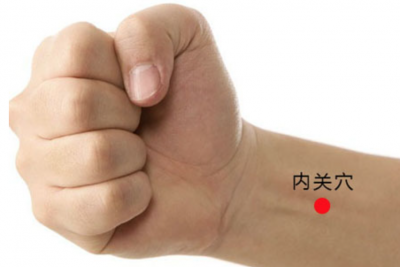 Location: On the inner forearm, about three finger widths up from your wrist crease, between the two tendons.
 Have you ever felt a lump stuck in your throat, even though you know there’s nothing actually there? Maybe it’s worse when you’re stressed, and it eases when you’re eating or distracted. If this sounds familiar, you may be experiencing what Western medicine calls globus sensation (also known as globus pharyngeus), and what we in Chinese medicine call Plum Pit Syndrome, or 梅核气 (méi hé qì).