Bell’s Palsy Recovery & Facial Nerve Support Melbourne

Facial Nerve Support with Acupuncture & Electroacupuncture
Facial drooping, numbness, or an inability to smile?
Bell’s Palsy’s sudden onset is frightening. Early intervention is critical to reduce nerve damage and ensure the best possible recovery. At Almond Wellness Centre Acupuncture Melbourne, we provide a natural approaches with acupuncture and electroacupuncture to treat Bell’s Palsy, working alongside standard medical care to decrease inflammation, stimulate nerve repair, and restore your smile.
📍 Clinics in Ringwood and Coburg, Melbourne
Time Is Important for Bell’s Palsy Recovery
Bell’s palsy is considered a time-sensitive condition. The first few weeks after onset are particularly important for recovery.
Many patients begin acupuncture treatment while also receiving standard medical care, such as antiviral medication or corticosteroids prescribed by their doctor. Early treatment may help support nerve recovery and reduce the risk of long-term facial weakness.
Don’t wait for symptoms to settle on their own. Contact our Melbourne clinics today to prioritise your Bell’s palsy consultation.
Or Book Online
Book Online, Or Fill Out the Contact Form Now.
What is Bell’s Palsy?
Bell’s palsy is a sudden weakness or paralysis of the facial nerve, usually affecting one side of the face.
The facial nerve controls many functions including:
- facial movement
- blinking
- tear production
- taste on part of the tongue
Unlike facial paralysis caused by stroke or brain injury, Bell’s palsy is a peripheral nerve condition.
Symptoms often appear suddenly and may include pain around or behind the ear before facial weakness develops.
Conditions That Can Cause Facial Paralysis Similar to Bell’s Palsy
Not all cases of sudden facial paralysis are caused by Bell’s palsy. Other conditions such as Ramsay Hunt syndrome or stroke can produce similar symptoms and require prompt medical assessment. Ramsay Hunt syndrome occurs when the varicella-zoster virus (the virus responsible for shingles) affects the facial nerve near the ear. It often causes facial weakness together with severe ear pain, rash or blisters around the ear, hearing changes, or dizziness. Early treatment with antiviral medication and corticosteroids is usually required. Same as bell’s palsy, acupuncture may be used as a supportive therapy for the facial paralysis.
Facial drooping may also occur during a stroke, which is a medical emergency. Warning signs may include weakness in the arm or leg on one side, difficulty speaking, confusion, or sudden severe headache. If stroke is suspected, seek emergency medical care immediately. Once serious conditions have been ruled out or treated, acupuncture may be used as support stroke recovery.
Important Note: If you experience sudden facial paralysis, seek medical assessment immediately to confirm the cause.
Common Symptoms of Bell’s Palsy
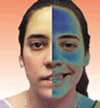 Symptoms typically affect one side of the face and may include:
- facial drooping or weakness
- difficulty closing one eye
- numbness or tingling in the face
- drooling or difficulty drinking
- loss of taste on the front of the tongue
- dry eye or excessive tearing
- ear or jaw pain
In some cases, abnormal nerve regrowth may later cause synkinesis, where involuntary movements occur, such as eye blinking when smiling.
Why Bell’s Palsy Happens
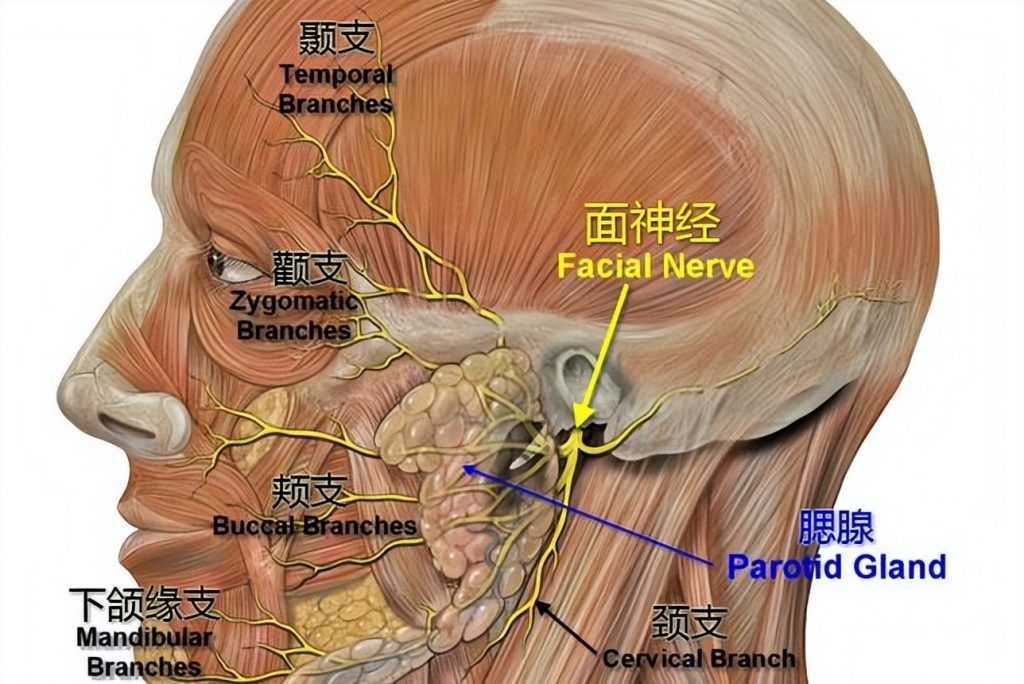
The facial nerve travels through a very narrow bony canal within the skull.
When the nerve becomes inflamed, it can swell and become compressed inside this tight space, which disrupts nerve signals to the facial muscles.
This is why reducing inflammation is a key goal of treatment.
Both conventional medicine and acupuncture aim to:
- reduce nerve inflammation
- improve local circulation
- support nerve recovery
Bell’s Palsy: Western Medicine and TCM Perspectives
From a Western medical perspective, Bell’s palsy is believed to result from inflammation of the facial nerve, often associated with viral activation.
Treatment commonly includes:
- corticosteroids
- antiviral medication
- eye protection
In Traditional Chinese Medicine (TCM), Bell’s palsy is often associated with an invasion of “Wind-Cold” or “Wind-Heat” affecting the facial meridians, particularly when the body’s defensive energy (Wei Qi) is weakened.
Treatment aims to:
- dispel pathogenic wind
- restore circulation in facial channels
- support the body’s natural healing response
How Acupuncture Supports Bell’s Palsy Recovery
Acupuncture has long been used to support nerve recovery and improve facial muscle function.
At Almond Wellness Centre, treatment may include:
- traditional acupuncture
- electroacupuncture
- moxibustion
- Chinese herbal medicine
Points are often selected near the ear and along the affected facial muscles to stimulate the facial nerve and improve local circulation.
Additional points on the body may be used to regulate the nervous system and support overall healing.
Treatment aims to:
Improve circulation around the facial nerve
Better blood flow delivers oxygen and nutrients needed for nerve repair.
Reduce inflammation and swelling
This helps reduce compression of the facial nerve inside the narrow canal in the skull.
Stimulate nerve activity
Acupuncture stimulation may help reactivate dormant nerve branches.
Improve muscle tone and facial coordination
Helping restore natural facial movement.
Electroacupuncture for Facial Nerve Stimulation
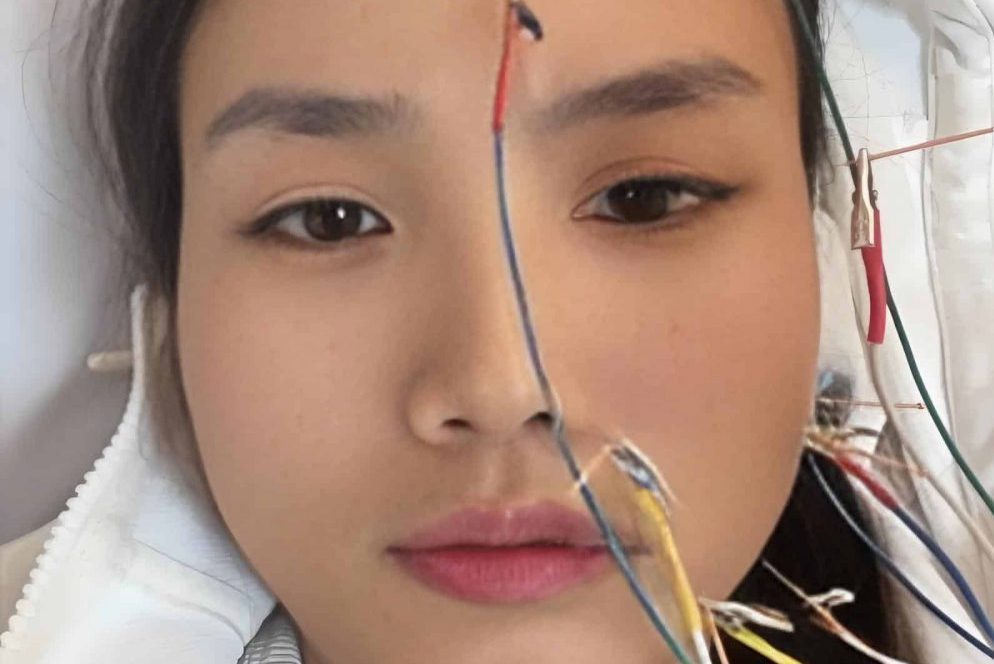
Electroacupuncture is often used as part of Bell’s palsy treatment.
A gentle electrical current passes between acupuncture needles to provide consistent rhythmic stimulation.
This technique may help:
- stimulate facial nerve regeneration
- restore muscle tone
- improve local circulation
- support coordination of facial muscles
Electroacupuncture can also help practitioners assess nerve responsiveness, which may provide insight into expected recovery progress.
Why Early Treatment Matters
The first 2–4 weeks after onset are often considered the most important stage for recovery.
During this time, treatment focuses on:
- reducing inflammation
- improving nerve circulation
- stimulating early nerve recovery
Many patients begin acupuncture treatment 2–3 times per week during the acute phase.
As recovery progresses, treatment frequency usually decreases.
Why Act Quickly? The Importance of Early Treatment
The severity of Bell’s Palsy symptoms depends on the extent of facial nerve damage. The first few weeks after onset represent a critical window for recovery.
While we recommend seeking immediate medical assessment for antiviral or steroid prescriptions, acupuncture can be started simultaneously to provide a synergistic effect during the acute phase.
FAQ: Bell’s Palsy and Acupuncture Treatment
How does acupuncture help?
Acupuncture has proved to be able to improve the local blood circulation. Electroacupuncture stimulates facial nerve and local muscle movement.
How many sessions will I need?
Frequency is key. In the acute phase (first 2-4 weeks), we typically recommend 2-3 treatments per week. As you improve, this frequency tapers down. Total treatment length varies from a few weeks to several months, depending on the severity of nerve damage.
Is there research supporting acupuncture for Bell’s Palsy?
Yes. A 2020 study in the CMAJ concluded that acupuncture may improve motor function and reduce disability. It suggested acupuncture can be an adjunct treatment with standard medical therapy. We use evidence-informed protocols to ensure the best care.
Can you help with long-term Bell’s Palsy sequelae?
Yes. We may also be able to help chronic issues like facial twitching, synkinesis (involuntary muscle movements), and residual weakness that remain after the initial recovery period.
Can acupuncture help Ramsay Hunt syndrome recovery?
Ramsay Hunt syndrome is caused by reactivation of the varicella-zoster virus and requires prompt medical treatment. After the acute stage is managed by a doctor, acupuncture may be used as a supportive therapy to help stimulate facial nerve function, improve circulation around the nerve, and assist recovery of facial muscle movement.
Why Choose Almond Wellness Centre for Bell’s Palsy?
- Experienced Practitioners: Our fully qualified and registered Chinese medicine practitioners have specific training and experience in treating Bell’s Palsy. Our senior practitioner Dr. Richard Zeng has 30+ years experiences.
- Holistic Approach: We consider your entire health, including diet, lifestyle, and stress levels, to provide a truly personalised treatment plan.
- Electroacupuncture Specialisation: We offer this advanced, evidence-based technique.
- Convenient Locations: With clinics in Coburg and Ringwood, we offer accessible care for patients across Melbourne.
-
Urgent Appointments: We prioritise patients with acute conditions like Bell’s Palsy.
Clinical Research and Evidence
At Almond Wellness Centre, our protocols are informed by clinical research. Below is a summary of key studies regarding the role of Acupuncture and Chinese Medicine in facial nerve recovery.
Electroacupuncture Added to Standard Therapy
A clinical study found that electroacupuncture combined with conventional treatment significantly improved facial nerve function compared with standard therapy alone.
Li Y et al. (2020) – Frontiers in Neurology [PubMed link]
Accelerated Facial Movement Recovery
A large randomised controlled trial found that strengthened acupuncture stimulation improved recovery speed in Bell’s palsy patients.
Xu SB et al. (2013) – CMAJ [PubMed link]
Systematic Review Evidence
A meta-analysis of multiple clinical trials concluded that acupuncture can improve facial symmetry and clinical outcomes in Bell’s palsy patients.
Li P et al. (2015) – PLOS One [PubMed Link]
Patient Resources & Fact Sheets
For comprehensive information on symptoms and standard recovery timelines, the National Institute of Neurological Disorders and Stroke (NIH) provides an authoritative Bell’s Palsy Fact Sheet. [NIH Link]
Take the First Step Toward Recovery Today
Every day matters when managing Bell’s palsy. If you or a loved one develops symptoms such as facial drooping, difficulty closing the eye, or sudden facial weakness, seek professional care promptly.
Contact our Melbourne clinics today to prioritise your Bell’s palsy consultation.
📍 Coburg Clinic
21 Bell Street, Coburg VIC 3058
📍 Ringwood Clinic
31 Wantirna Road, Ringwood VIC 3134