Acupuncture for Stroke Recovery & Rehabilitation in Melbourne
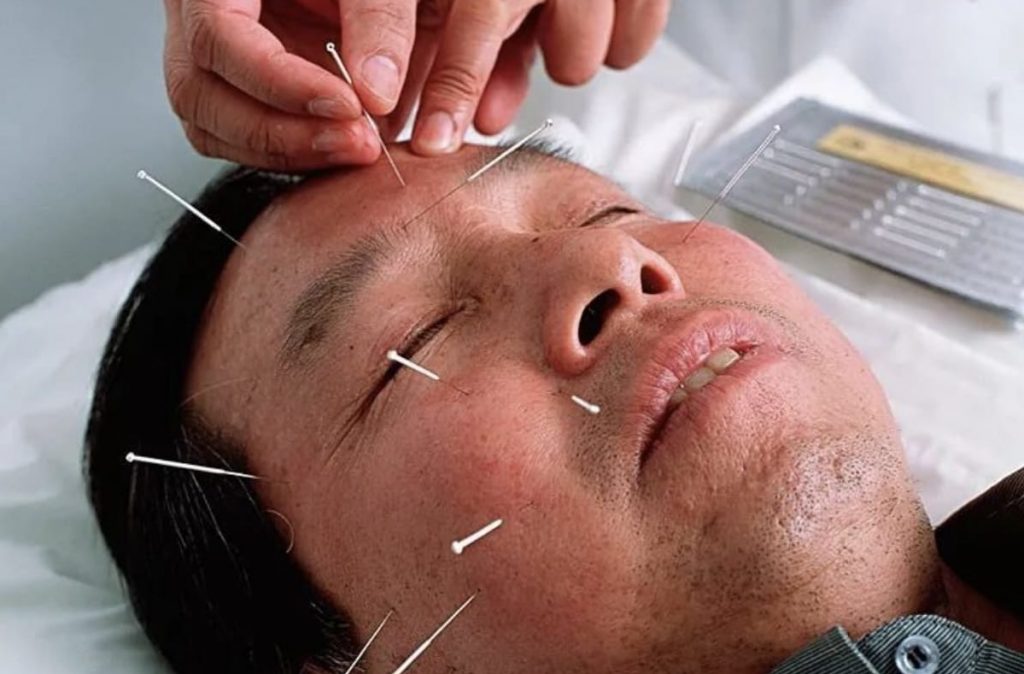
acupuncture for facial paralysis from stroke
Supporting Your Recovery, Naturally and Holistically
A stroke can turn your world upside down, leaving you to face challenges like muscle weakness, difficulty speaking, or even facial paralysis. We understand how frustrating and overwhelming this can be. While conventional rehab is essential, imagine having a time-tested, natural therapy by your side to help accelerate your recovery. That’s where acupuncture and Traditional Chinese Medicine (TCM) come in.
At Almond Wellness Centre, with clinics in Coburg and Ringwood, we’re here to walk alongside you. Our compassionate practitioners blend ancient wisdom with modern knowledge to help you reclaim your independence and improve your quality of life.
Understanding Stroke from a TCM Perspective
In Western medicine, a stroke occurs when blood supply to part of the brain is disrupted. In TCM, this event is often understood as a sudden disturbance in the movement of Qi and Blood within the body’s meridians. This disruption may contribute to symptoms such as:
- Weakness or paralysis on one side of the body
- Muscle stiffness or flaccidity
- Facial drooping or facial paralysis
- Speech difficulties
- Trouble swallowing
- Numbness or reduced coordination
Acupuncture is used in TCM with the intention of supporting circulation, harmonising Qi and Blood, and promoting the body’s natural healing responses.
How Acupuncture May Support Stroke Rehabilitation
Acupuncture has been used for neurological and post-stroke care for centuries. Modern research also explores how acupuncture may influence recovery pathways, including circulation, muscle tone, and neural function.
Acupuncture may be used as part of supportive stroke recovery care to help with:
1. Motor Function & Mobility:
Acupuncture is commonly used with the intention of supporting muscle activation, reducing muscle tightness, and promoting coordination.
2. Speech & Communication:
Scalp acupuncture and selected body points are traditionally used in TCM to support speech-related functions such as aphasia and dysarthria.
3. Reducing Muscle Spasticity & Discomfort:
Many people report improved comfort and reduced tightness after treatment.
4. Swallowing Support:
Some acupuncture points are traditionally used in TCM to support swallowing function and muscle coordination.
5. Neurological Support:
Research suggests acupuncture may influence neuroplasticity—the brain’s ability to reorganise and form new connections after injury.
6. Emotional & Mental Wellbeing:
Recovery can feel overwhelming. Acupuncture is commonly used to help you feel calmer, more grounded, and supported during rehabilitation.
Important: Acupuncture is most effective when used alongside mainstream rehabilitation such as physiotherapy, occupational therapy, and speech therapy. It is not a substitute for medical care.The Almond Wellness Centre Approach to Stroke Rehabilitation
Our Approach at Almond Wellness Centre
Your recovery journey is unique. We take time to understand your history, symptoms, and goals before tailoring a plan that suits you.
Comprehensive, Compassionate Assessment
We look at your mobility, speech challenges, muscle tone, pain levels, daily function, emotional wellbeing, and overall health.
Evidence-Informed, Individualised Treatment Plans
Depending on your needs, your plan may include:
- Body acupuncture
- Scalp acupuncture for neurological support
- Electroacupuncture: Electroacupuncture for muscle/nerve activating
- Moxibustion
- Tuina/TCM therapeutic massage
- Lifestyle or diet recommendations from a TCM perspective
Treatment is always delivered with safety, comfort, and clear communication.
Collaborative & Integrated Care
With your permission, we can communicate with your:
- GP
- Neurologist
- Physiotherapist
- Speech therapist
- Occupational therapist
to help ensure your care remains coordinated, consistent, and holistic.
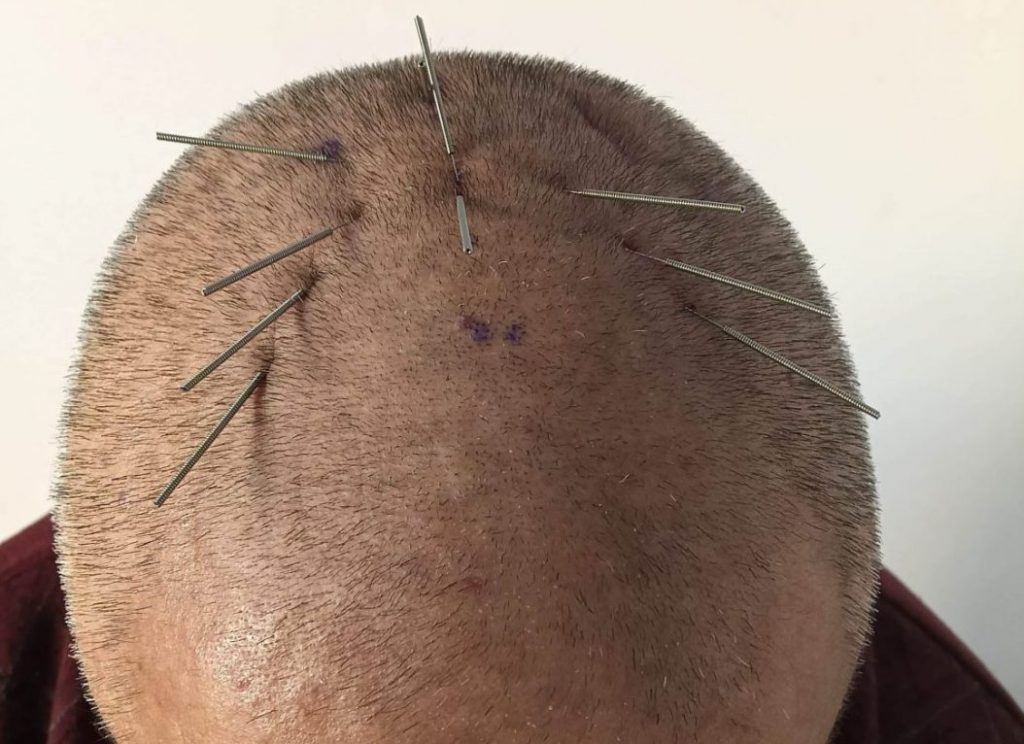
scalp acupuncture for stroke recovery
Frequently Asked Questions (FAQ)
Is acupuncture safe for stroke patients?
Yes. When provided by a qualified, registered practitioner, acupuncture is considered very safe. We use sterile, single-use needles and tailor treatment to your health needs.
How soon after a stroke can I begin acupuncture?
Once your condition is medically stable. Some people start early in their rehab phase, while others begin months or years later.
How many sessions will I need?
This varies. Some people notice changes within a few sessions, while others require ongoing care. We will discuss an individualised plan during your consultation.
Is acupuncture covered by private health insurance?
Many private health funds offer rebates for acupuncture under Extras cover. Please check with your fund.
Why Choose Almond Wellness Centre?
- Two convenient clinics: Coburg & Ringwood
- Quiet, accessible, professional treatment environment
- AHPRA-registered practitioners with extensive neurological clinical experience. Chief acupuncturist Dr. Richard Zeng has been working in the acupuncture department in China hospital and Neurological Department in Germany hospital (under Professor Dr. Wilhelm Nacimiento‘s supervision).
- Individualised care with clear communication and ethical practice
- Supportive follow-up and ongoing monitoring
You don’t need to navigate recovery alone. We are here to walk with you – safely, compassionately, and professionally.
Take the Next Step in Your Recovery
Stroke recovery takes strength, patience, and support—you don’t have to do it alone. Acupuncture may offer a gentle, natural way to complement your rehabilitation and help you feel more balanced throughout the process.
Book an appointment with our registered practitioners in Coburg or Ringwood today.
We’re here to support you every step of the way.
References:
Acupuncture in poststroke rehabilitation: a systematic review and meta-analysis of randomized trials
https://pubmed.ncbi.nlm.nih.gov/20167912/
Efficacy of acupuncture and rehabilitation therapy on brain function activation area and neurological function in ischemic stroke: A systematic review and meta-analysis
https://pubmed.ncbi.nlm.nih.gov/38394111/
Efficacy of acupuncture therapy for post-stroke fatigue: a systematic review and Meta-analysis
https://pmc.ncbi.nlm.nih.gov/articles/PMC9924748/
The neural plasticity and efficacy of acupuncture for post-stroke dysphagia: protocol for a randomized controlled trial with fMRI and DTI
https://bmccomplementmedtherapies.biomedcentral.com/articles/10.1186/s12906-024-04657-1
Head Acupuncture Plus Schuell’s Language Rehabilitation for Post-Stroke Aphasia: A Systematic Review and Meta-Analysis of 32 Randomized Controlled Trials
https://pubmed.ncbi.nlm.nih.gov/35907173/