Author: Dr. Richard Zeng (Acupuncturist Melbourne TCM Doctor)
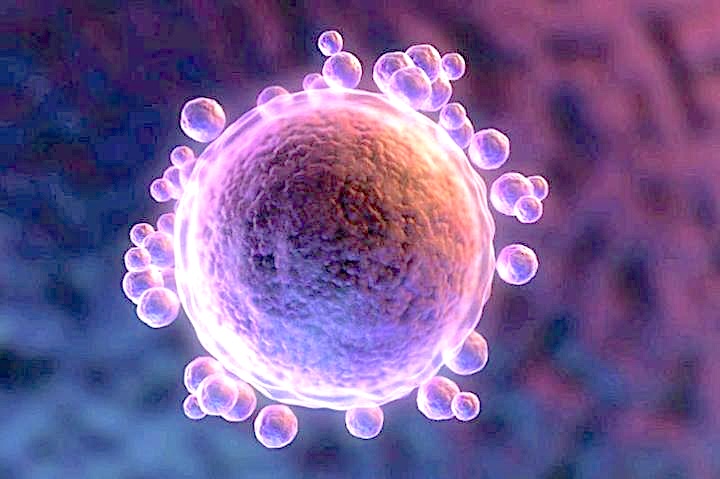
Egg Quality Is Not Just About Your Birth Certificate
As a Chinese Medicine (CM) practitioner with a background in Western medicine, I’ve seen the fertility journey from every angle. If you’re trying to conceive, you know egg quality is the absolute cornerstone of success.
Quick Navigation
Many women assume age is the only thing that matters – the ticking clock. But here’s what my clinic experience tells me: that’s simply not true.
I’ve treated healthy, relaxed 35-year-olds with better egg health than highly stressed 30-year-olds with chronic insomnia. Why the difference? Because egg quality is influenced by a complex web of factors that go far beyond your birthday.
In this guide, I’ll share my insights, blending Western medical science with the holistic wisdom of TCM, to show you exactly what is impacting your eggs—and what you can do about it.
The Western View: 5 Factors That Control Your Egg’s Health
Western medicine gives us a precise roadmap, often using lab tests to measure the physiological factors affecting your eggs.
1. Age: The “Time Code” (But Not the Final Word)
Yes, age is a factor. After 35, the number of available follicles (egg sacs) naturally declines, and the cell function (mitochondria) can slow down. This increases the risk of chromosomal abnormalities – the main reason for implantation difficulties as we get older.
- The Data: Studies show that aneuploidy (chromosomal errors) in eggs can reach 60% in women over 40. This is why we focus on supporting the health of the remaining eggs.
2. Hormones: The Ovarian Barometer
Your hormones are the messenger system that tells your ovaries what to do. I rely on markers like AMH, FSH, and Progesterone to assess function.
- Low AMH suggests diminished ovarian reserve.
- High FSH can indicate your ovaries are less responsive.
Any hormonal imbalance can disrupt the delicate dance of follicle development, preventing your eggs from maturing and ovulating properly.
3. Lifestyle: Your Daily Choice, Your Egg’s Destiny
This is where you have the most control! I frequently remind my patients that poor habits are silent “destroyers” of egg potential:
- Smoking and Alcohol: These toxins accelerate follicle loss and damage the egg’s DNA.
- Weight (BMI ≥ 30): Studies link obesity to a higher rate of chromosomal abnormalities in eggs, which affects embryo quality.
- Sleep Deprivation: Chronic lack of sleep throws off your central hypothalamic-pituitary-ovarian axis, disrupting your entire ovulation rhythm.
- Exercise Balance: Moderate movement is fantastic for circulation and ovarian oxygenation. Excessive, high-intensity exercise, however, can suppress ovulation.
4. Chronic Inflammation and Oxidative Stress
Think of inflammation as rust in the system. Conditions like PCOS or hyperinsulinemia create chronic inflammation and free radicals. These damaging molecules harm the egg’s mitochondria (the cell’s power source), weakening its ability to develop and implant.
5. Medication Effects
Certain medications, from common NSAIDs (like Ibuprofen) to antidepressants (SSRIs) and hormonal treatments, can interfere with the ovulation process or impact egg quality. If you are on long-term medication, it’s vital to discuss its long-term effect on your ovarian function with your doctor.
The TCM View: Harmonising Organs for Optimal Fertility
In Tradtitional Chinese Medicine, we look deeper than lab numbers; we look at the flow of energy and the function of your whole body. Egg quality is fundamentally tied to the health of three key organs.
1. The Kidneys: The “Root” of Reproductive Essence
TCM considers the Kidneys to be the deepest reservoir of Essence (Jing)—your innate life force. Sufficient Kidney Essence ensures the arrival of “Tian Gui” (天癸 the menstrual cycle) and supports healthy follicle development.
- Kidney Deficiency = Poor Egg Quality: Whether it’s Kidney Yang deficiency (feeling cold, slow cycles) or Kidney Yin deficiency (night sweats, scanty periods), insufficient Kidney support directly impacts the egg’s core vitality.
2. The Liver: Regulating Flow and Emotion
The Liver is responsible for the smooth flow of Qi and Blood and is closely tied to your emotions. When the Liver is stressed, it stagnates.
- Liver Qi Stagnation: Often seen in conditions like PCOS or when there are luteal phase issues. Symptoms include anxiety, irritability, premenstrual breast tenderness, and irregular periods—all signs that the body’s flow is blocked, affecting ovulation.
3. The Spleen: Generating Nourishment
The Spleen is your body’s engine for transforming food into Qi and Blood. This Qi and Blood must be abundant to nourish the developing follicles.
- Spleen Deficiency: Leads to insufficient nourishment for the eggs. Symptoms often include fatigue, bloating, loose stools, or excessive, sticky vaginal discharge. This is why I often warn patients that eating too many cold or greasy foods can damage the Spleen and, in turn, affect egg quality.
Integrated Approach: My Practical Tips for Better Eggs
Drawing from both Western diagnostics and TCM balance, here are actionable tips you can start today.
Conclusion: Harmony for a Healthy Pregnancy
Improving egg quality is a marathon, not a sprint. It takes dedication and time, usually 3 to 4 months, to see real changes in your body.
My years of clinical practice have shown me that a balanced approach is best. Western medicine gives us precise tools to track and intervene, while TCM aim to enhance egg quality by harmonising your body’s deep energy reserves (Kidney Essence) and vital flow (Liver and Spleen function).
Whether you are preparing for natural conception or moving toward IVF, embracing this integrated approach may significantly boost your chances of a successful, healthy pregnancy.
I sincerely hope every woman preparing for pregnancy achieves her goal through thoughtful, personalised care.
Disclaimer: Individual responses to Chinese medicine treatment may vary. Consultation with a qualified TCM practitioner is recommended to determine the most suitable herbs, formulations and acupuncture treatment based on individual health conditions. This information is for educational purposes and does not replace professional medical advice.
More to Read
Menstrual Cycle and Traditional Chinese Medicine
Amenorrhea Fertility and Chinese Medicine
Having two periods in one month? You may just have ovulation bleeding