
Acupuncture for Vestibular Migraine Melbourne
When the World Won’t Stop Spinning

Vestibular migraine is one of the most disorienting and misunderstood conditions we see at Almond Wellness Centre.
Many patients arrive after months – sometimes years – of unexplained dizziness, vertigo, motion sensitivity, brain fog, nausea, and exhaustion. Some already have a diagnosis from a neurologist or ENT specialist. Others are still searching for answers after being told their scans are “normal” despite symptoms that continue to disrupt daily life.
For some people, it feels like walking on a moving boat. Others describe sudden spinning attacks, difficulty tolerating supermarket aisles or scrolling screens, pressure in the ears, or feeling detached and spaced out. Many become anxious about driving, working, or simply leaving the house because they never know when the next episode may happen.
At Almond Wellness Centre, we provides acupuncture and Traditional Chinese Medicine (TCM) support for migraines and headaches, and particularly vestibular migraine, vertigo, dizziness, and related neurological symptoms. Treatment is personalised and may include acupuncture, Chinese herbal medicine, lifestyle guidance, and nervous system regulation strategies.
We work alongside your existing medical care and encourage ongoing communication with your GP, neurologist, ENT specialist, or vestibular physiotherapist where appropriate.
Our clinics are located in:
Coburg Clinic: Serving Coburg, Preston, Brunswick, Northcote, Pascoe Vale and Melbourne’s North Suburbs
Ringwood Clinic: Serving Ringwood, Mitcham, Croydon, Blackburn, and Wantirna and Melbourne’s East Suburbs
Call us on 03 8802 1519
or
What Is Vestibular Migraine?
source: www.neurolab360.com
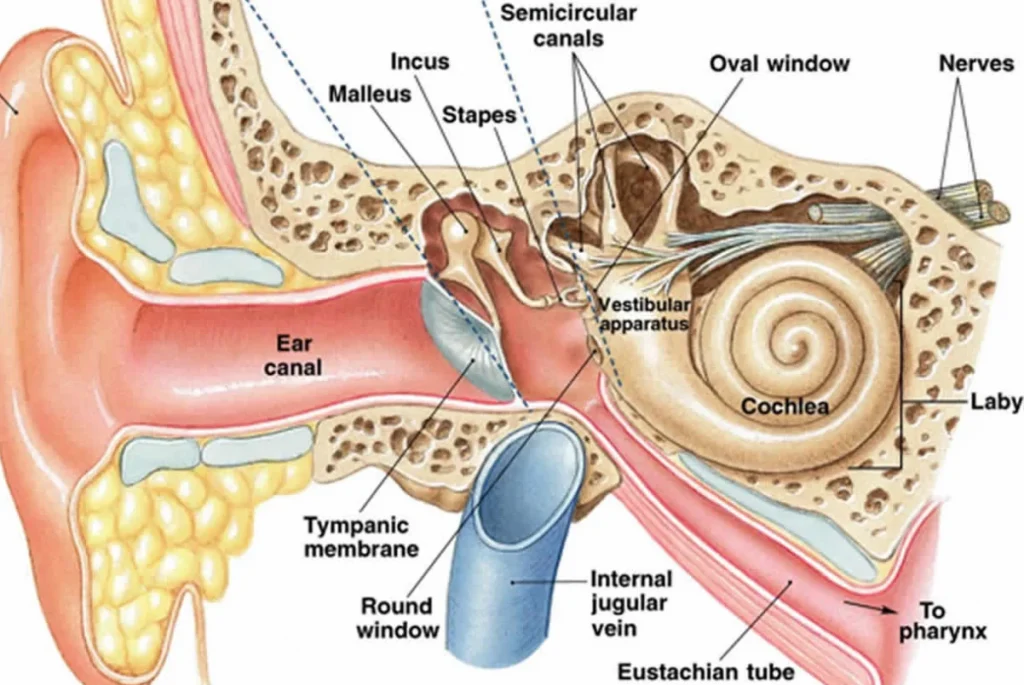
Vestibular migraine is a neurological condition where migraine activity affects the vestibular system – the part of the inner ear and brain responsible for balance and spatial orientation.
Unlike classical migraine, headache may not always be the main symptom. Many patients experience dizziness and balance disturbances even without severe head pain.
Common symptoms may include:
- Vertigo or spinning sensations
- Feeling off-balance or unsteady
- Motion sensitivity
- Dizziness triggered by head movement
- Head pressure or migraine headaches
- Neck stiffness and tension
- Nausea or vomiting
- Brain fog and difficulty concentrating
- Tinnitus (ringing in the ears)
- Ear pressure or fullness
- Light and sound sensitivity
- Fatigue after attacks
- Visual sensitivity to screens or busy environments
Symptoms can last minutes, hours, or even days. Some people experience isolated attacks, while others live with persistent background dizziness between episodes.
Common triggers include:
- Stress and anxiety
- Sleep deprivation
- Hormonal fluctuations
- Neck tension
- Fatigue and burnout
- Certain foods or alcohol
- Screen exposure
- Weather changes
- Busy visual environments
Because vestibular migraine affects each person differently, treatment often needs to be highly individualised.
Why Vestibular Migraine Is Different From Regular Migraine
Vestibular migraine involves more than head pain alone.
The balance system, inner ear, brainstem, and migraine pathways all interact together, making the condition more complex than a typical migraine presentation.
This is why many people continue to experience dizziness, imbalance, visual motion sensitivity, or nausea even when headache symptoms improve.
Many patients with vestibular migraine are also highly sensitive to stress, poor sleep, hormonal changes, neck tension, and sensory overload. For some, the nervous system seems to remain in a constantly “switched on” state.
This whole-system presentation is one reason many patients explore Traditional Chinese Medicine alongside conventional medical care.
How Traditional Chinese Medicine Understands Vestibular Migraine
In Traditional Chinese Medicine, vestibular migraine symptoms are commonly associated with classical patterns involving vertigo, dizziness, tinnitus, and disruption of the body’s balance systems.
Rather than focusing only on symptom suppression, TCM aims to understand why the nervous system and vestibular system have become unstable in the first place.
Several TCM patterns are commonly seen in vestibular migraine presentations.
Kidney and Liver Deficiency
In TCM theory, the Kidney system is closely connected with the ears, balance, and constitutional vitality, while the Liver helps regulate the smooth flow of Qi and blood to the head.
When these systems become depleted — often through chronic stress, overwork, ageing, hormonal changes, or prolonged illness – patients may experience:
- Vertigo
- Tinnitus
- Brain fog
- Fatigue
- Poor recovery after attacks
- A floating or ungrounded sensation
This pattern is commonly seen in people experiencing burnout, chronic stress, or perimenopausal hormonal changes.
Wind-Phlegm Obstructing the Clear Orifices
This pattern is associated with sudden dizziness, heavy-headedness, nausea, motion sensitivity, and a foggy sensation.
In TCM, “Phlegm” does not simply refer to mucus. It describes a broader disruption in fluid regulation and nervous system clarity.
Patients with this pattern often say attacks seem to come “out of nowhere.”
Liver Yang Rising
Stress, emotional overload, frustration, and nervous system tension may contribute to excessive upward activity in the body from a TCM perspective.
This pattern may present with:
- Sudden spinning sensations
- Head pressure
- Irritability
- Neck tightness
- Pulsing headaches
- Tinnitus
- Sensitivity to stress
Dampness and Fluid Stagnation
Some patients present with symptoms suggesting fluid imbalance affecting the inner ear system.
This may include:
- Ear fullness
- Heavy-headedness
- Persistent dizziness
- Nausea
- Ménière’s-like symptoms
Treatment is always tailored to the individual after a detailed consultation, tongue observation, pulse diagnosis, and symptom assessment.
How Acupuncture May Help Vestibular Migraine

Acupuncture aims to regulate the nervous system, improve circulation, reduce muscle tension, and restore balance within the body.
Modern research suggests acupuncture may help through several mechanisms.
Supporting Blood Flow and Vestibular Function
Research suggests acupuncture may influence blood circulation to the head, neck, and inner ear structures involved in balance regulation.
Healthy circulation is important for the function of the delicate sensory structures within the vestibular system.
Regulating Migraine and Vestibular Pathways
Studies suggest acupuncture may help regulate migraine-related neurological pathways, including interactions between the trigeminal nerve, vestibular system, and autonomic nervous system.
This may help reduce dizziness, migraine activity, nausea, and sensory sensitivity in some patients.
Reducing Attack Frequency and Severity
Some patients report:
- Fewer vertigo attacks
- Reduced migraine intensity
- Less background dizziness
- Better recovery after episodes
- Improved ability to tolerate movement and visual stimulation
Calming the Nervous System
Many vestibular migraine patients experience ongoing nervous system hypervigilance.
Acupuncture is often deeply relaxing and may help shift the body away from a constant stress-response state, which can be an important part of recovery.
Common Acupuncture Points Used
Treatment is always individualised, but commonly used acupuncture points may include:
- Baihui (DU20) — often used for dizziness, brain fog, and nervous system regulation
- Fengchi (GB20) — commonly used for neck tension, headaches, and vertigo
- Ermen (TW21), Tinggong (SI19), Tinghui (GB2) — local ear points often used for tinnitus and vestibular symptoms
- Cervical Jiaji points — used to release tension around the neck and upper cervical region
- Taichong (LV3) — commonly used for stress-related migraine patterns
- Taixi (KD3) — often used in deficiency patterns involving fatigue and tinnitus
Chinese Herbal Medicine for Vestibular Migraine
Acupuncture and Chinese herbal medicine are often used together.
While acupuncture provides treatment during each consultation, herbal medicine works continuously between visits and may help support longer-term regulation of the nervous system and vestibular system.
Herbal formulas are always tailored to the individual rather than prescribed as a generic “migraine formula.”
Commonly used herbs may include:
Tian Ma (Gastrodia elata)
Traditionally used in TCM to calm internal Wind and reduce dizziness, vertigo, and neurological overstimulation.
Ze Xie (Alisma orientalis)
Often used in patterns involving fluid imbalance, ear pressure, heaviness, and Ménière’s-like symptoms.
Fu Ling (Poria cocos)
Used to support fluid metabolism, reduce “Phlegm-Dampness,” calm the mind, and help with nausea and brain fog.
Chuan Xiong (Ligusticum chuanxiong)
Traditionally used to improve circulation to the head and neck and commonly included in headache and migraine formulas.
Zhu Ru (Bamboo shavings)
Often used when vestibular migraine presents with nausea, agitation, or digestive symptoms.
Sheng Jiang (Fresh ginger)
Frequently included to harmonise digestion and reduce nausea associated with vertigo attacks.
All herbal prescriptions are tailored to the patient and adjusted over time as symptoms change.
Your practitioner will also review medications and possible herb-drug interactions before prescribing.
Struggling With Ongoing Dizziness or Vertigo?
If vestibular migraine symptoms are affecting your work, driving, sleep, or daily confidence, acupuncture and Traditional Chinese Medicine may provide additional support alongside your medical care.
Our Melbourne clinics in Coburg and Ringwood offer personalised treatment plans tailored to your symptoms and overall health.
Book an initial consultation to discuss your situation with our experienced team.
Patient Case Studies
Case Study 1 – Perimenopausal Woman With Vertigo and Tinnitus
Female, 49. Referred by her GP following neurological assessment confirming vestibular migraine.
She experienced two to three severe vertigo episodes each month, along with persistent low-level dizziness, tinnitus, poor sleep, fatigue, and difficulty concentrating. Symptoms had worsened during perimenopause.
Her treatment involved weekly acupuncture combined with a customised Chinese herbal formula focused on calming Liver Yang, nourishing Kidney deficiency patterns, and supporting the vestibular system.
After several weeks, she reported:
- Fewer vertigo attacks
- Reduced tinnitus
- Improved sleep
- Better energy levels
- Less anxiety surrounding episodes
She later transitioned to monthly maintenance treatment.
Case Study 2 – Motion Sensitivity and Brain Fog Following Burnout
Male, 34. Presented with dizziness triggered by screens, scrolling, supermarkets, and busy visual environments.
He also experienced neck tension, fatigue, motion sensitivity, and persistent brain fog after a prolonged period of work stress.
Treatment focused on reducing Wind-Phlegm patterns, regulating the nervous system, relieving cervical tension, and improving recovery capacity.
Over the course of treatment, he reported:
- Reduced motion-triggered dizziness
- Improved concentration
- Better tolerance to screens
- Reduced neck tension
- Gradual return to full-time work
Individual results vary from person to person.
What to Expect During Treatment
Your initial consultation usually includes:
- A detailed health history
- Discussion of migraine triggers and symptom patterns
- Review of sleep, stress, hormones, and digestion
- Tongue and pulse assessment (TCM diagnosis)
- A personalised treatment plan
Most acupuncture sessions are relaxing.
Some patients notice improvement within several treatments, while more longstanding or complex presentations may require ongoing support over time.
Treatment frequency depends on:
- Symptom severity
- How long symptoms have been present
- Stress levels
- Sleep quality
- Hormonal factors
- Overall health and nervous system sensitivity
Evidence and Considerations
Research into acupuncture for migraine management has grown significantly over recent years.
Studies suggest acupuncture may help reduce migraine frequency and severity and may offer benefits with relatively few systemic side effects compared with some medications.
Research specifically on vestibular migraine is still emerging, and results vary between individuals. Acupuncture should not be considered a guaranteed cure.
At Almond Wellness Centre, acupuncture and Chinese herbal medicine are used as complementary therapies designed to work alongside appropriate medical care.
Frequently Asked Questions
Is vestibular migraine the same as Ménière’s disease?
No. The two conditions share overlapping symptoms such as vertigo, tinnitus, and ear pressure, but they are considered different medical conditions. Some patients may have features of both.
Can I have vestibular migraine without severe headaches?
Yes. Many people experience dizziness, vertigo, motion sensitivity, or nausea without significant head pain.
Can acupuncture be used together with migraine medication?
In most cases, yes. Many patients receive acupuncture while continuing medications prescribed by their GP or neurologist.
Do I need a formal diagnosis before starting acupuncture?
No. We can still assess your symptoms from a TCM perspective, although we do encourage proper medical evaluation for unexplained dizziness or neurological symptoms.
Is acupuncture covered by private health insurance?
Acupuncture is covered by many Australian private health funds with extras cover that includes Chinese medicine.
Ready to Take the Next Step?
Vestibular migraine can be exhausting, frustrating, and isolating – especially when symptoms continue despite normal scans or multiple consultations.
At Almond Wellness Centre, we take the time to understand the bigger picture behind your symptoms and create an individualised treatment approach.
To arrange an appointment at our Coburg or Ringwood clinic, contact our team or book online.
Our clinics are located in:
Coburg Clinic: Serving Coburg, Preston, Brunswick, Northcote, Pascoe Vale and Melbourne’s North Suburbs
Ringwood Clinic: Serving Ringwood, Mitcham, Croydon, Blackburn, and Wantirna and Melbourne’s East Suburbs
Call us on 03 8802 1519
or
References
- Yi A-N, Yang G, Wang J-X, Zhang L-Q, Yuan P, Hong J-T, Zhou L. Clinical research progress on acupuncture for the treatment of otogenic vertigo. World J Clin Cases. 2024 Jul 6;12(19):3676–3683. doi: 10.12998/wjcc.v12.i19.3676. PMID: 38994301. https://pmc.ncbi.nlm.nih.gov/articles/PMC11235460/
- Lyu S, Zhang CS, Sun J, Weng H, Xue CC, Guo X, Zhang AL. Chinese herbal medicine for migraine management: A hospital-based retrospective analysis of electronic medical records. Front Med (Lausanne). 2022 Nov 10;9:936234. doi: 10.3389/fmed.2022.936234. PMID: 36438031. https://pmc.ncbi.nlm.nih.gov/articles/PMC9684313/
- Lu Y, Li J, Xu H, Wang C-D. Oral traditional Chinese medicine for vestibular migraine: A systematic review and meta-analysis. J Clin Neurosci. 2023 Apr;110:100–108. doi: 10.1016/j.jocn.2023.02.006. https://www.sciencedirect.com/science/article/pii/S0967586823000462
- Wang L-P, Zhang X-Z, Guo J, Liu H-L, Zhang Y, Liu C-Z, Yi J-H, Wang L-P, Zhao J-P, Li S-S. Efficacy of acupuncture for acute migraine attack: a multicenter single blinded, randomized controlled trial. Pain Med. 2012 May;13(5):623–30. doi: 10.1111/j.1526-4637.2012.01376.x. PMID: 22536889. https://pubmed.ncbi.nlm.nih.gov/22536889/
- Linde K, Allais G, Brinkhaus B, et al. Acupuncture for the prevention of episodic migraine. Cochrane Database of Systematic Reviews. 2016;(6). https://doi.org/10.1002/14651858.CD001218.pub3
- Zhao L, Chen J, Li Y, et al. The long-term effect of acupuncture for migraine prophylaxis: A randomized clinical trial. JAMA Internal Medicine. 2017;177(4):508–515. https://doi.org/10.1001/jamainternmed.2016.9378
- Li Y, Zheng H, Witt CM, et al. Acupuncture for migraine prophylaxis: A randomized controlled trial. CMAJ. 2012;184(4):401–410. https://doi.org/10.1503/cmaj.110551
- Vickers AJ, Cronin AM, Maschino AC, et al. Acupuncture for chronic pain: Individual patient data meta-analysis. Archives of Internal Medicine. 2012;172(19):1444–1453. https://doi.org/10.1001/archinternmed.2012.3654