
Author: Dr. Richard Zeng (Acupuncturist Melbourne TCM Doctor)
Quick Navigation
Knowing when you ovulate is crucial if you’re trying to conceive naturally. By understanding your ovulation patterns, you can plan intercourse during your most fertile days and boost your chances of pregnancy.
While blood tests and ultrasounds are the most accurate ways to confirm ovulation, they’re not always convenient or necessary every cycle. Fortunately, there are several simple ways to check ovulation at home.

1. Count Your Menstrual Cycle
Ovulation typically occurs about 14 days before your next period. For a regular 28-day cycle, this is around Day 14. For shorter cycles (e.g. 21 days), ovulation may occur as early as Day 7 — often just after your period finishes.
Using a wall calendar or period tracking app can help you estimate your fertile window.
2. Track Your Basal Body Temperature (BBT)
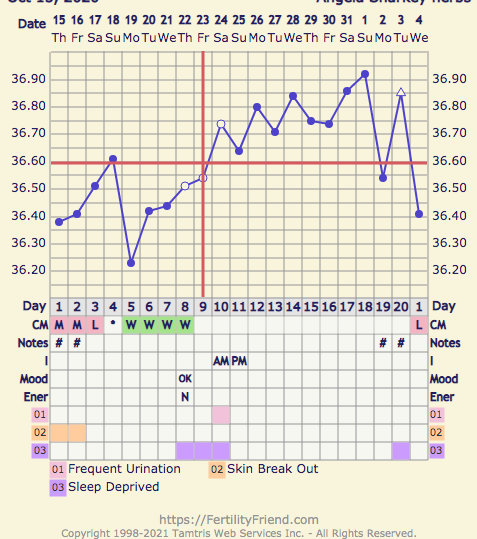
Knowing ovulation from BBT chart
BBT is your body temperature at complete rest. After ovulation, progesterone causes a slight rise of 0.3–0.5 °C.
BBT doesn’t predict ovulation ahead of time, but consistent charting can confirm whether ovulation has occurred and indicate the quality of your ovulation over several cycles.
3. Observe Cervical Mucus
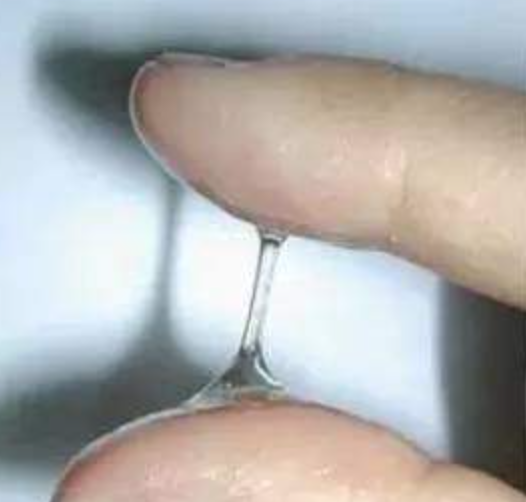
clear stretching mucus during ovulation
Before and during ovulation, many women notice clear, stretchy, “egg white” cervical mucus. This fertile mucus creates an optimal environment for sperm survival and transport, usually lasting 2–5 days. Tracking these changes daily can help pinpoint ovulation naturally. Click the link to see how cervical mucus changes throughout the cycle.
4. Use a Saliva Ferning Test
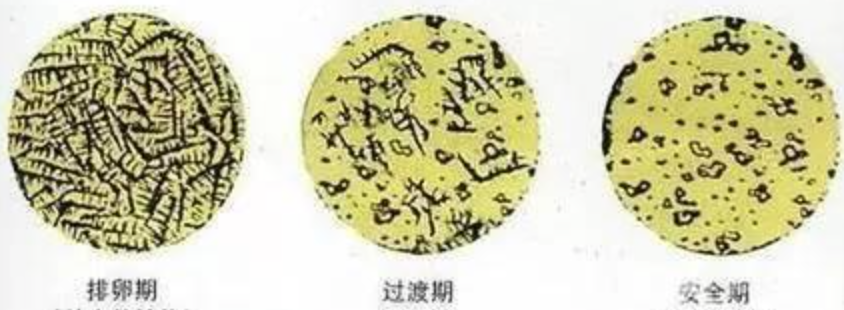
Saliva Ferning during ovulation
Saliva-based kits analyse dried saliva under a mini microscope. As oestrogen rises before ovulation, saliva forms a fern-like crystal pattern. This can help predict ovulation a few days in advance.
5. Try Ovulation Predictor Kits (OPKs)
OPKs detect the luteinising hormone (LH) surge in urine. A positive test typically indicates ovulation will occur within the next 24–36 hours. These kits are widely available and easy to use at home.
6. Record Other Ovulation Symptoms
Many women experience subtle physical or emotional changes around ovulation, including:
- Increased energy and libido
- A feeling of being more “feminine” and confident
- Mild one-sided lower abdominal pain (Mittelschmerz)
- Light spotting due to hormonal shifts
Charting these signs alongside BBT or OPKs can give you a more complete picture.
Professional Fertility Support
At Almond Wellness Centre, we support natural conception, fertility enhancement, and IVF with acupuncture and Traditional Chinese Medicine (TCM). If you’re unsure about your ovulation patterns or experiencing irregular cycles, our practitioners can help assess your situation and tailor a fertility support plan for you.
📍 Melbourne Fertility Acupuncture & Chinese Medicine Clinics
👉 Book an appointment
FAQs
Q: What is the most accurate way to check ovulation?
A: Blood tests and transvaginal ultrasounds are the most accurate methods, but home methods like OPKs and BBT tracking can also be effective.
Q: Can I get pregnant if I don’t track ovulation?
A: Yes, but tracking ovulation increases your chances by helping you identify your fertile window more precisely.
Q: What if I don’t see fertile mucus or temperature changes?
A: This may indicate irregular or absent ovulation. It’s best to consult a fertility specialist or TCM practitioner for further evaluation.