Author: Dr.Richard Zeng
Quick Navigation
Most fertility patients eventually become familiar with terms like:
- AMH,
- follicle count,
- embryo grading,
- blastocyst quality,
- or ovarian reserve.
But one important issue is rarely explained clearly:
Egg quantity and egg quality are not the same thing.
A woman may have:
- a reasonable AMH but poor embryo development,
- or low AMH yet still produce viable embryos.
This is why many fertility specialists increasingly focus not only on the number of eggs retrieved – but on the biological competence of those eggs. And this is also where Chinese herbal medicine may have a meaningful role.
The “Invisible” Side of Egg Quality
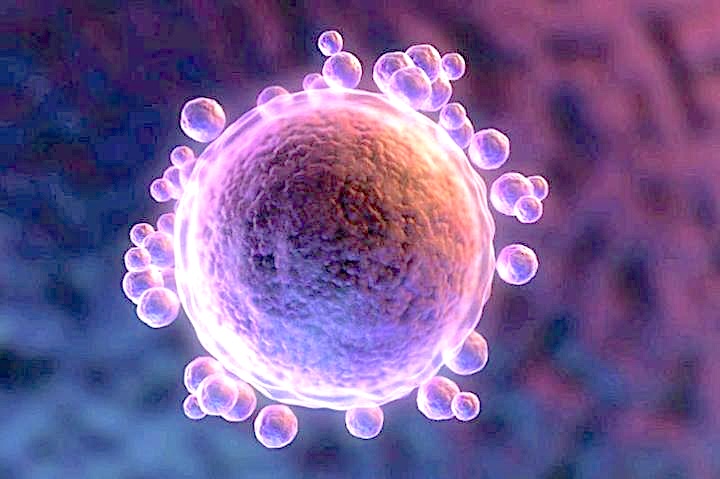 When patients hear “egg quality,” they often assume it is purely age-related.
Age certainly matters.
But modern reproductive research suggests egg quality is also influenced by:
- mitochondrial function
- oxidative stress
- inflammation
- blood supply
- metabolic health
- sleep
- stress physiology, and
- immune signalling.
This helps explain why two women of the same age can have dramatically different IVF outcomes.
Why This Matters in IVF
During IVF, the goal is not simply: “Retrieve more eggs.”
The real goal is:
- mature eggs,
- genetically competent embryos,
- successful implantation, and ultimately
- a healthy live birth.
Many failed IVF cycles occur despite: “good fertilisation” or “reasonable embryo numbers.”
This suggests the issue may involve:
- embryo competence,
- implantation environment,
- or cellular health.
The Emerging Role of Chinese Herbal Medicine
Research increasingly suggests Chinese herbal medicine may influence several pathways linked to reproductive function, including:
- oxidative stress reduction
- mitochondrial support
- inflammation modulation
- vascular circulation
- immune regulation
- hormonal signalling
- endometrial receptivity
This is particularly relevant for:
- low ovarian reserve,
- recurrent failed IVF,
- advanced maternal age,
- poor embryo quality,
- recurrent implantation failure,
- or unexplained infertility.
What Makes TCM Different from Generic Fertility Supplements?
Most supplement protocols are standardised. But TCM is highly individualised.
Two women with:
- poor blastocyst development,
- low AMH,
- or recurrent failed transfer
may receive very different herbal formulas.
Why?
Because TCM evaluates:
- menstrual quality,
- ovulation patterns,
- stress physiology,
- sleep,
- digestion,
- circulation,
- inflammation patterns,
- and constitutional presentation.
This systems-based assessment is one reason many patients feel that Chinese medicine “looks at the whole picture.”
The Missing Conversation: IVF Is Not Just a Laboratory Process
A major gap in fertility discussions online is that IVF is often presented as purely technological.
But implantation is still a biological event.
Even the highest-quality embryo still requires:
- immune tolerance,
- adequate blood supply,
- hormonal coordination,
- and a receptive endometrium.
This is one reason many reproductive endocrinologists now recognise the importance of:
- sleep
- stress
- inflammation
- metabolic health
and lifestyle factors during IVF treatment.
Can Chinese Herbal Medicine Replace IVF?
Sometimes. Often not.
And that distinction is important.
For some couples:
- restoring ovulation,
- improving cycle quality,
- reducing inflammation,
- or supporting sperm parameters
may allow natural conception.
For others – especially with:
- severe tubal disease,
- significant age-related decline,
- severe male factor infertility,
- or genetic concerns
IVF remains the most appropriate option.
In many real-world cases, Chinese herbal medicine works best:
alongside reproductive medicine, not against it.
The Future of Fertility Care May Be Integrative
One of the most exciting developments in fertility care is the growing shift toward integrative reproductive medicine.
Instead of treating fertility as:
- purely hormonal,
- purely mechanical,
- or purely stress-related,
integrative models recognise that fertility is influenced by multiple interconnected systems.
This may explain why many patients now combine:
- IVF,
- acupuncture,
- Chinese herbal medicine,
- nutrition,
- stress regulation,
- sleep optimisation,
- and lifestyle medicine
into one coordinated plan.
What We Focus On at Almond Wellness Centre
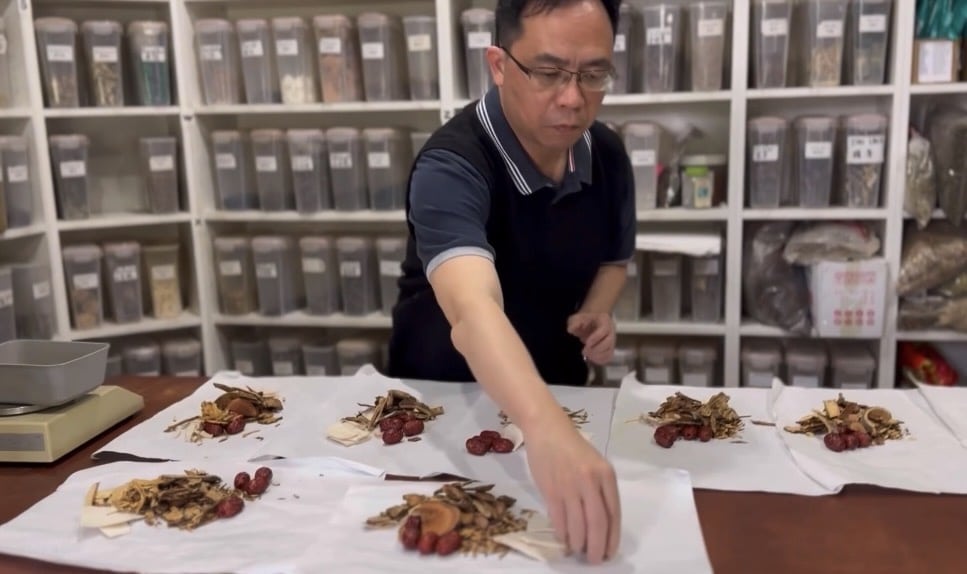
At Almond Wellness Centre, our fertility-focused Chinese medicine treatments including fertility acupuncture and Chinese herbal medicine are tailored to the individual rather than based on a generic fertility formula.
Depending on the patient, treatment may focus on:
- menstrual cycle regulation
- IVF preparation
- low ovarian reserve
- recurrent miscarriage
- implantation support
- male fertility support
- or post-failed IVF recovery
We also commonly work alongside IVF clinics across Melbourne as part of an integrative fertility care approach.
A Final Perspective
One of the biggest misconceptions in fertility care is believing that success depends on a single intervention.
In reality, fertility outcomes are often influenced by:
- cumulative improvements,
- biological resilience,
- timing,
- and the overall reproductive environment.
Chinese herbal medicine may not change every fertility outcome.
But for many couples, it provides something extremely valuable:
another pathway to support the body before, during, and after fertility treatment.