Acupuncture for Migraines and Headaches Melbourne

A Natural Approach to Relief and Prevention at Almond Wellness Centre
A migraine is far more than “just a headache.” The throbbing pain, light sensitivity, and nausea can steal days of your life, forcing you into dark, quiet rooms. If you are tired of relying solely on painkillers and want a natural way to reduce the frequency and severity of attacks, our integrative approach offers a proven path forward.
At Almond Wellness Centre, our senior clinical team – led by Dr. Richard Zeng (30+ years experience) – provides personalised care using acupuncture and Traditional Chinese Medicine (TCM). With clinics in Coburg and Ringwood, we help patients across Melbourne reclaim their days from chronic pain.
Also treating: Vestibular Migraine– a neurological variant involving vertigo, tinnitus, and spatial disorientation.
Our Collaborative Expertise
You aren’t just seeing a practitioner; you are benefiting from a collective of clinical knowledge. Our team works together to address complex neurological pain:
Dr. Richard Zeng: Brings 4th-generation wisdom and three decades of experience in chronic pain patterns.
Dr. Ruby Hou: Integrates TCM with a gentle, empathetic approach to hormonal and stress-triggered migraines.
Dr. Tracey Byrne: Utilises her background in Human Biology and Remedial Massage to address the physical tension and “trigger points” in the neck and shoulders.
Dr. Mira An: Focuses on the “Gut-Brain” axis, identifying dietary triggers through her background in Clinical Nutrition.
The Traditional Chinese Medicine Perspective
Rather than a “one-size-fits-all” solution, TCM focuses on identifying the specific pattern of imbalance behind your symptoms. Common patterns include:
- Liver Yang Rising: A surge of hyperactive energy causing throbbing pain, irritability, and light sensitivity.
- Qi and Blood Stagnation: Intense, sharp, or fixed pain often linked to chronic neck and shoulder tension.
- Phlegm-Dampness: Heavy or “foggy” pain accompanied by nausea, dizziness, or head pressure.
- Deficiency Patterns: Dull, lingering headaches associated with fatigue and energy depletion.
How Acupuncture Calms the “Neurological Storm”
Acupuncture is widely recognised for its ability to regulate the physiological pathways involved in migraine development. It may help by:
- Regulating Blood Flow: Balancing the vascular changes (constriction and dilation) associated with attacks.
- Modulating Pain Pathways: Encouraging the release of natural pain-relievers like endorphins and serotonin.
- Reducing Inflammation: Decreasing pro-inflammatory substances linked to migraine severity.
- Calming the Nervous System: Shifting the body from “fight-or-flight” into a relaxed parasympathetic state.
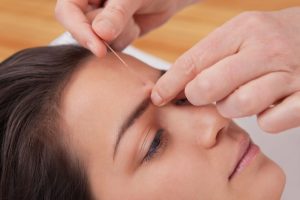
acupuncture on Yin Tang point for migraine headache
Clinical Evidence & Research
The evidence for acupuncture is compelling. A large Cochrane systematic review concluded that acupuncture can significantly reduce migraine frequency and may perform similarly to preventive medications, but without the systemic side effects. Further trials suggest that acupuncture is a superior non-pharmacological option for long-term prophylaxis.
Integrated Herbal Support
We often use customised Chinese herbal medicine alongside acupuncture to build resilience from within. Formulas are tailored to the individual and may include:
- Chuan Xiong (Ligusticum): Known as the “headache herb,” it improves circulation and stops pain.
- Tian Ma (Gastrodia): Traditionally used to calm “internal wind” and reduce throbbing or dizziness.
- Bai Shao (White Peony): Nourishes the blood to reduce susceptibility to recurring attacks.
Frequently Asked Questions
Can acupuncture help during an active migraine?
Yes. Many patients visit during an acute attack. Treatment focuses on subduing rising energy and calming the nervous system, which can help reduce the intensity and duration of symptoms.
How many treatments are needed?
Most patients notice an improvement within 4–6 sessions. We typically recommend a short course of weekly treatments to stabilize the system before moving to a maintenance plan.
Can I use acupuncture alongside my medication?
Absolutely. Acupuncture is a safe, complementary therapy. Many patients find that as their frequency of attacks decreases, they can work with their GP to safely reduce their reliance on preventive medications.
Visit Our Melbourne Clinics
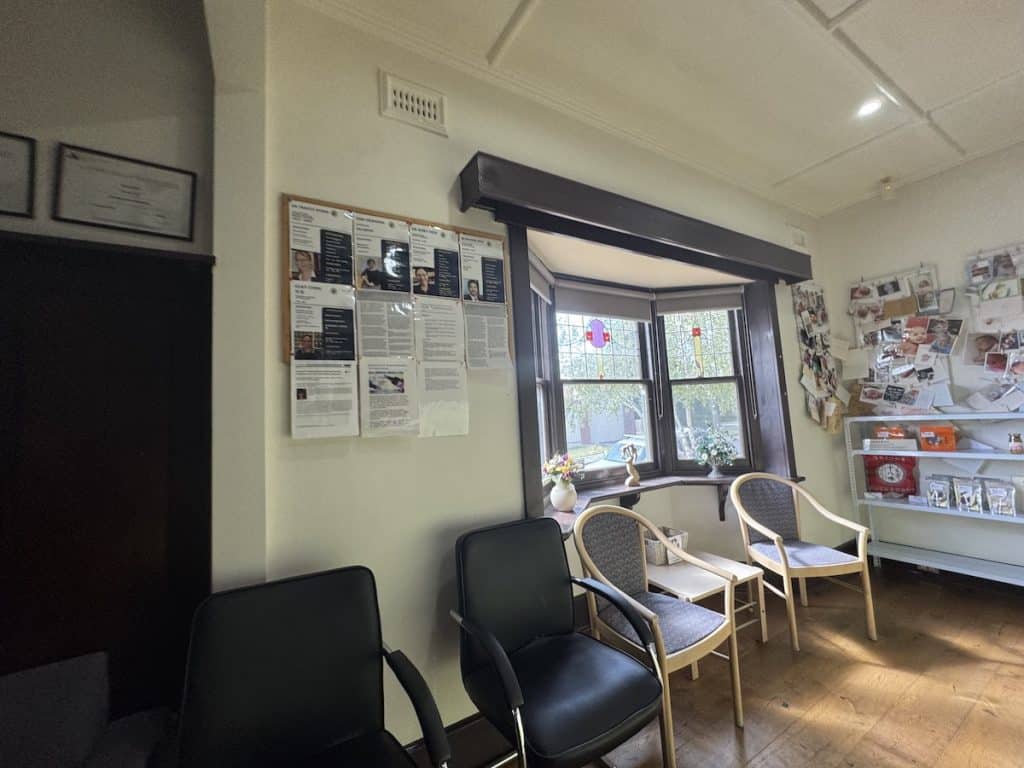
Coburg clinic waiting room
Our team is dedicated to providing a supportive environment for your recovery.
Coburg Clinic: Serving Preston, Brunswick, Northcote, and Pascoe Vale.
Ringwood Clinic: Serving Mitcham, Croydon, Blackburn, and Wantirna.
Call us on 03 8802 1519
or