Author: Dr. Richard Zeng (Acupuncturist Melbourne TCM Doctor)
Quick Navigation
Good sleep is essential for both physical and mental health, and a good night sleep can support fertility. Poor sleep can affect mood, memory, immunity, hormone balance and reproductive energy. Unfortunately, insomnia has become increasingly common in modern life due to stress, irregular schedules, and excessive screen time.
In Traditional Chinese Medicine (TCM), insomnia is not simply treated as a sleep problem. Instead, it is viewed as a disturbance of the Shen (mind or spirit), often related to imbalances of the Heart, Liver, or Kidney systems. Learn more about our Chinese medicine consultation in Melbourne or acupuncture Chinese medicine for insomnia in Melbourne.
For thousands of years, Chinese herbal medicine has been used to calm the mind, nourish the body, and restore natural sleep rhythms.
Below are 10 commonly used Chinese herbs for insomnia and sleep support in Traditional Chinese Medicine.
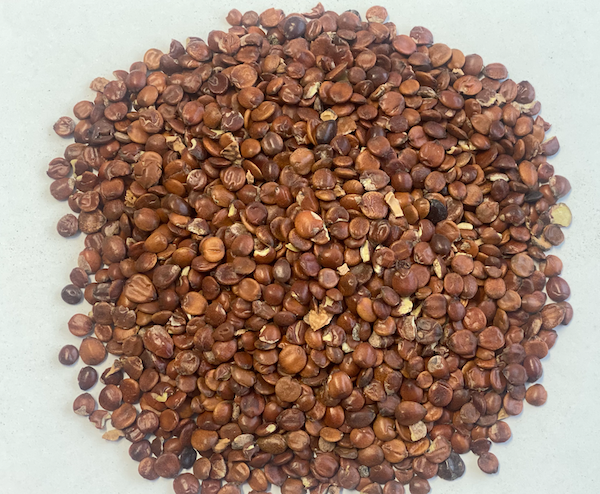
1. Suan Zao Ren (酸枣仁) – Sour Jujube Seed
Suan Zao Ren
Suan Zao Ren is one of the most important herbs in TCM for treating insomnia. It is widely used in classical herbal formulas designed to calm the mind.
In Chinese medicine theory, Suan Zao Ren helps nourish the Heart and Liver, allowing the mind to settle and sleep to become deeper and more stable.
Traditionally it is used for:
-
- Difficulty falling asleep
- Frequent waking during the night
- Anxiety and irritability
- Restless sleep with vivid dreams
It is especially useful when insomnia is related to stress, emotional tension, or Heart Yin deficiency.
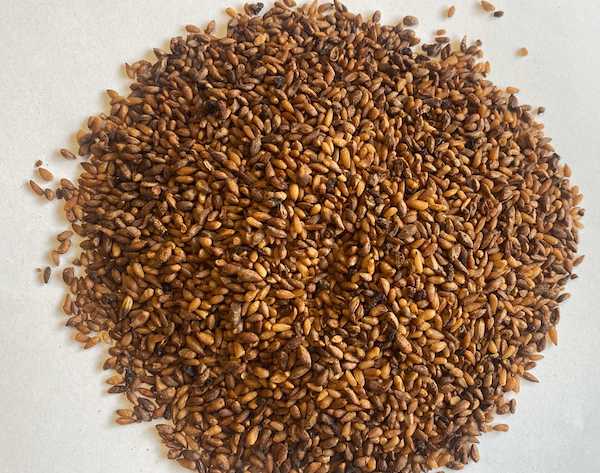
2. Bai Zi Ren (柏子仁) – Biota Seed
Bai Zi Ren
Bai Zi Ren is another well-known calming herb used to nourish the Heart and calm the Shen.
It is commonly used when insomnia is associated with excessive thinking, worry, or mental overwork.
In addition to improving sleep, Bai Zi Ren may:
- Help reduce anxiety
- Calm emotional restlessness
- Moisturise the intestines and relieve constipation
Because of this dual action, it is particularly helpful for people who experience stress-related insomnia combined with dry constipation.
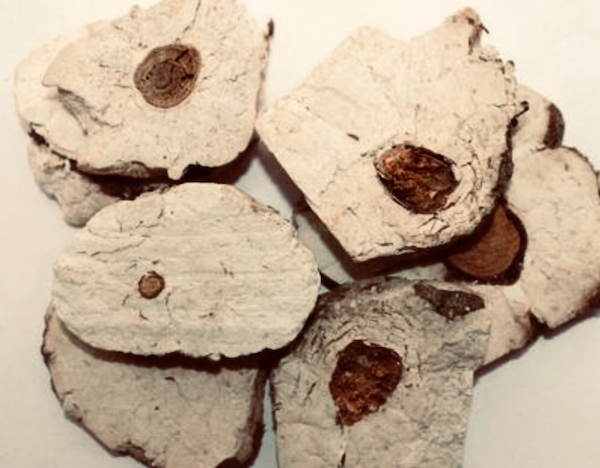
3. Fu Shen (茯神) – Poria with Pine Root
Fu Shen
Fu Shen is derived from the fungus Poria cocos, which grows on pine tree roots. In Chinese medicine, Fu Shen is valued for its ability to calm the spirit and stabilise emotions.
It is often used for insomnia accompanied by:
- Excessive worry
- Palpitations
- Mental restlessness
- Emotional stress
Fu Shen gently settles the mind and supports emotional balance, making it a common ingredient in formulas designed to calm the Shen.
4. He Huan Pi (合欢皮) – Albizia Bark
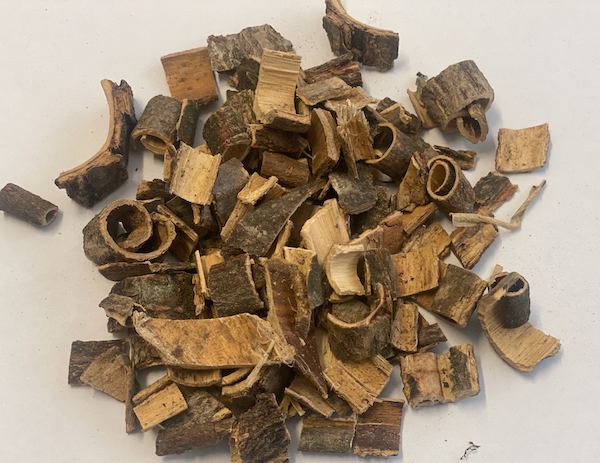
He Huan Pi
He Huan Pi is often called the “herb of happiness” in Chinese medicine because of its ability to relieve emotional constraint.
This herb helps soothe Liver Qi and calm the spirit, making it particularly useful for insomnia related to emotional stress.
It may be used when sleep problems are associated with:
- Irritability
- Mood swings
- Emotional tension
- Mild depression
By relaxing the Liver system, He Huan Pi helps the mind become more settled and sleep more restful.
5. Yuan Zhi (远志) – Polygala Root
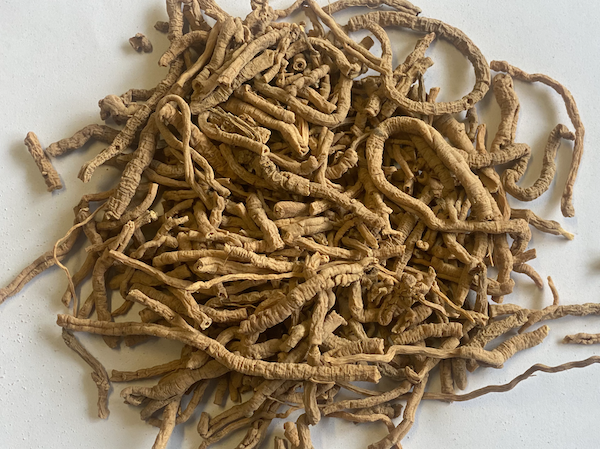
Yuan Zhi
Yuan Zhi is traditionally used to strengthen communication between the Heart and Kidney systems in TCM.
It is often included in herbal formulas when insomnia is accompanied by:
- Palpitations
- Anxiety
- Restlessness
- Poor concentration or forgetfulness
Yuan Zhi is believed to calm the spirit while also supporting mental clarity and emotional stability.
6. Wu Wei Zi (五味子) – Schisandra Berry
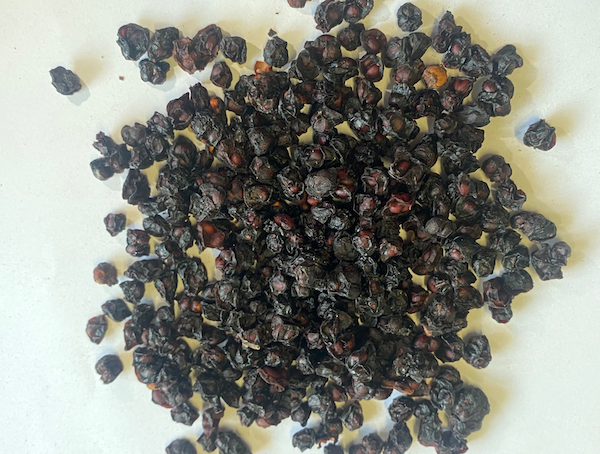
Wu Wei Zi
Wu Wei Zi is a unique herb known as the “five-flavour berry” because it contains sour, sweet, bitter, salty, and pungent tastes.
In TCM it helps:
- Nourish the Heart
- Support the Kidney system
- Calm the spirit
- Improve stress resilience
Wu Wei Zi is often used when insomnia is related to chronic stress, fatigue, or Yin deficiency. It is also considered an adaptogenic herb that helps the body adapt to stress.
7. Long Gu (龙骨) – Dragon Bone
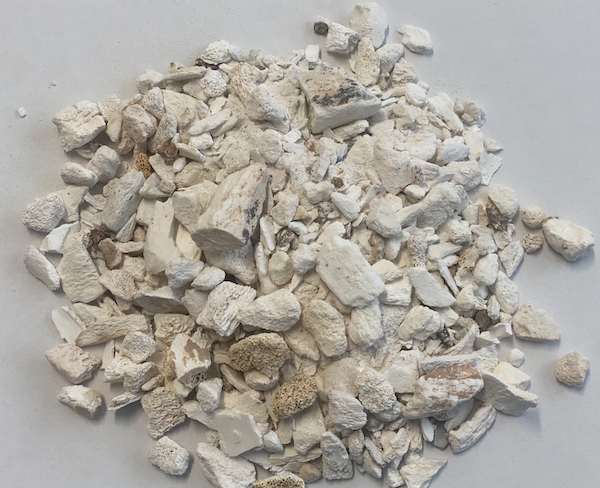
Long Gu
Long Gu is a mineral substance made from fossilised bone. In Chinese medicine it is used to anchor and stabilise the spirit.
It is often prescribed for people who experience:
- Restlessness
- Anxiety
- Palpitations
- Difficulty calming the mind at night
Long Gu helps contain excessive emotional activity and promotes a deeper sense of calm.
8. Mu Li (牡蛎) – Oyster Shell
-
- Mu Li is the shell of oysters. Mu Li is recognised for its ability to settle the Heart and calm the Spirit. Similar to Long Gu, Mu Li is used to address emotional disturbances, irritability, and insomnia. It is believed to have a tranquilising effect on the Shen (mind) and Heart, helping to alleviate anxiety, excessive worrying and emotional turbulence.

Mu Li
- Mu Li is the shell of oysters. Mu Li is recognised for its ability to settle the Heart and calm the Spirit. Similar to Long Gu, Mu Li is used to address emotional disturbances, irritability, and insomnia. It is believed to have a tranquilising effect on the Shen (mind) and Heart, helping to alleviate anxiety, excessive worrying and emotional turbulence.
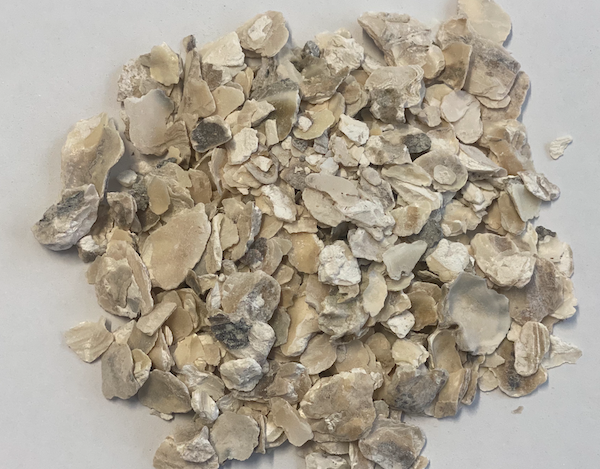
Mu Li has similar properties to Long Gu and is often used together with it in traditional formulas.
Mu Li helps:
- Settle the Heart
- Calm the spirit
- Reduce anxiety
- Stabilise emotional agitation
The combination of Long Gu and Mu Li is commonly used when insomnia is accompanied by restlessness and palpitations.
9. Lian Xin (莲心) – Lotus Plumule
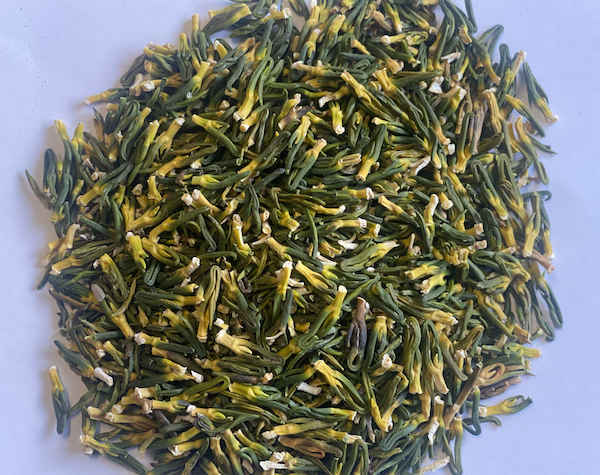
Lian Xin
Lian Xin is the small green sprout found inside the lotus seed.
In Traditional Chinese Medicine, it is known for its ability to clear Heart heat and calm the mind.
It is commonly used when insomnia is associated with:
- Irritability
- Restlessness
- Nighttime agitation
- Stress-related heat symptoms
Lian Xin is also sometimes used in herbal teas designed to promote relaxation.
10. Ye Jiao Teng (夜交藤) – Polygonum Multiflorum Vine
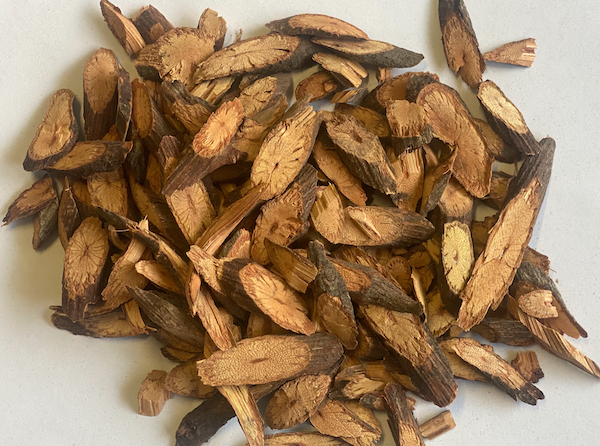
Ye Jiao Teng
Ye Jiao Teng is widely used in Chinese medicine to nourish the Heart and calm the spirit.
It is particularly helpful for people who experience:
- Light sleep
- Frequent waking
- Restless dreams
- Anxiety before sleep
This herb gently nourishes the body while promoting a more peaceful and stable sleep pattern.
Chinese Medicine Treatment for Insomnia
While individual herbs can be helpful, in Traditional Chinese Medicine they are rarely used alone. Instead, practitioners create personalised herbal formulas based on each person’s pattern of imbalance.
Treatment may also include:
- Acupuncture
- Chinese herbal medicine
- Dietary therapy
- Lifestyle adjustments
By addressing the underlying imbalance rather than only the symptom, TCM aims to restore the body’s natural sleep rhythm.
When to Seek Professional Advice
Although these herbs have been used traditionally for centuries, the correct formula depends on each individual’s health condition and diagnosis.
If you experience ongoing insomnia, it is best to consult a qualified Traditional Chinese Medicine practitioner who can provide personalised treatment.
Reference
Bensky D, Gamble A. Chinese Herbal Medicine: Materia Medica (3rd Edition).
Disclaimer
Individual responses to herbal medicine may vary. Consultation with a qualified healthcare practitioner is recommended before using herbal remedies, especially if you have underlying health conditions or are taking medication. This information is for educational purposes only and does not replace professional medical advice.