Acupuncture for Children’s Digestive Health Melbourne

Natural Treatment for Children’s Digestive Problems – Poor Appetite, Bloating, Constipation, Infant Colic & Sensitive Stomachs
Does your baby cry inconsolably for hours and nothing settles them? Does your infant vomit after every feed and seem to be in pain?
Or is your older child complaining of tummy aches most evenings? Refusing most meals? Going days without a bowel movement?
These are real problems – not just phases. And for many families, conventional approaches only go so far.
At Almond Wellness Centre Coburg, we offer gentle, natural paediatric acupuncture services for children’s digestive problems – without relying on medication. Our approach combines acupuncture, Tui Na massage, and Chinese herbal medicine, all adapted specifically for children.
Our paediatric acupuncturist, Dr. Tracey Byrne, has trained under internationally recognised paediatric acupuncture expert Julian Scott (UK).
Everything is adapted to your child’s age, comfort, and needs.
📍 Coburg Clinic – 21 Bell Street, Coburg VIC 3058
📞 03 9378 9479 | Open 7 Days
Book a ConsultationQuestion? Want to make an appointment? Call 9378 9478 or send your inquiries here
Why Children Get Digestive Problems – The Chinese Medicine View
In Chinese medicine, a child’s digestive system is still developing. It tires easily and is sensitive to disruption.
The key system is called the Spleen – it governs how the body turns food into energy. When Spleen function is weak, digestive symptoms follow quickly.
Common things that disrupt children’s digestion:
| Trigger | What It Does |
|---|---|
| Cold foods and drinks | Weakens Spleen energy |
| Irregular meal times | Disrupts digestive rhythm |
| Stress or worry at school | Directly affects the gut in TCM |
| Rich, sweet, processed foods | Creates “Dampness” — slows digestion |
| Illness or antibiotics | Disrupts gut balance |
Understanding which pattern is present in your child guides the treatment. A child with poor appetite needs different care from a child with bloating – even though both involve the digestive system.
Conditions We Commonly Help
We support children with a wide range of digestive concerns — including diagnosed conditions such as functional abdominal pain, child IBS (irritable bowel syndrome), and sensitive stomach, as well as common everyday complaints that haven’t been given a formal label.
If your child has been told their tests are normal but they’re still uncomfortable, Chinese medicine assessment may identify functional patterns that conventional testing does not capture.
🍽️ Poor Appetite
Signs your child may have this pattern:
- Eats very small amounts before feeling full
- Prefers simple or sweet foods; resists vegetables or proteins
- Looks pale or tired after eating
- Gets sick often and takes a long time to recover
- Has soft or poorly formed stools
What Chinese medicine sees: This is usually called Spleen Qi deficiency – the digestive system lacks the energy to drive appetite. It is a physiological pattern, not wilfulness.
How we help:
- Gentle acupuncture on Spleen and Stomach points
- Tui Na (therapeutic massage) to stimulate digestive function
- Chinese herbal granules dissolved in warm water
- Simple dietary changes to support the Spleen
🫧 Bloating, Tummy Pain & Child IBS
Many children with recurring tummy pain – including those diagnosed with functional abdominal pain or child IBS – have a sensitive digestive system that responds strongly to stress, diet, and irregular routines. This is one of the most common presentations we see.
Signs your child may have this pattern:
- Stomach looks visibly swollen after meals
- Complains of fullness or discomfort most evenings
- Passes a lot of wind
- Symptoms are worse after stress or a busy day at school
- Alternates between loose stools and constipation
What Chinese medicine sees:
There are two common patterns:
Food Stagnation & Dampness
Food is not moving through the digestive system efficiently. It builds up and ferments — causing gas and heaviness. Often triggered by overeating, eating too fast, or too much sweet or dairy-heavy food.
Stress affecting the Gut (Liver Qi Stagnation)
In TCM, emotional stress directly affects digestion. A child anxious about school or family changes often shows it first in their belly — bloating, cramping, or an unsettled stomach.
How we help:
- Acupuncture to move Qi and reduce stagnation
- Abdominal Tui Na massage (parents can learn this for daily home use)
- Chinese herbal medicine to clear Dampness
- Dietary guidance to reduce bloating triggers
🚽 Constipation — Non-Drug, Natural Treatment for Children
Constipation affects up to 1 in 3 children at some point. When it becomes chronic, it causes real distress – abdominal pain, reduced appetite, irritability, and sometimes soiling.
For many families, laxatives help short-term but don’t address the underlying pattern. Acupuncture and Chinese medicine offer a gentle, non-drug approach to restoring regular bowel function by treating the root cause.
Signs your child may have this pattern:
- Goes 3+ days without a bowel movement
- Stools are hard, dry, or painful to pass
- Complains of stomach pain
- Has reduced appetite
- Is irritable or restless
What Chinese medicine sees:
There are three common patterns — each needing different treatment:
| Pattern | What It Looks Like | Common In |
|---|---|---|
| Dry Heat | Hard, dry stools. Flushed cheeks, thirst. | Children who run warm, eat processed foods |
| Qi Stagnation | Normal stools but hard to start. Stress-related. | Anxious or sedentary children |
| Spleen/Kidney weakness | Soft but sluggish. Low energy, cold hands. | Children with chronic illness history |
How we help:
- Acupuncture to promote downward movement through the Large Intestine
- Tui Na home massage — we teach parents simple daily techniques to stimulate bowel function between sessions
- Chinese herbal medicine matched to your child’s specific pattern
- Dietary guidance on fibre, fluids, and Spleen-supporting foods
💡 Parent tip: Warm abdominal Tui Na performed daily at home is one of the most effective tools for childhood constipation. We show you exactly how to do it at your first visit.
🍼 Infant Colic & Baby Reflux
Colic and reflux are two of the most exhausting challenges a new parent can face. A baby who screams inconsolably for hours, or who arches, writhes, and vomits after every feed, leaves parents desperate for relief — and often told there is nothing to be done but wait.
Chinese medicine offers a gentle, practical approach. These are among the most common presentations Dr. Tracey Byrne sees in very young infants – and among the fastest to respond to treatment.
😭 Infant Colic – Inconsolable Crying in Young Babies
Colic is defined as crying for more than 3 hours a day, more than 3 days a week, for more than 3 weeks in an otherwise healthy baby. It typically begins at 2–3 weeks, peaks around 6 weeks, and usually resolves by 3–4 months — but those weeks feel endless for families living through it.
Signs your baby may have colic:
- Intense, high-pitched crying — often in the late afternoon or evening
- Pulls knees up to the chest or arches the back during crying episodes
- Clenched fists and a flushed face
- Hard, distended belly
- Crying that cannot be soothed by feeding, holding, or rocking
- Otherwise feeds well and gains weight normally
What Chinese medicine sees:
Colic in TCM is most commonly understood as Qi and gas accumulation in the intestines – the baby’s immature digestive system struggles to move wind through efficiently, causing pain and distress. A secondary pattern involves Liver Qi affecting the Spleen – the baby is overstimulated, overtired, or feeding in an anxious environment, and this directly disrupts digestion.
How we help:
Tui Na abdominal massage – the cornerstone of infant colic treatment. Specific clockwise massage strokes and gentle pressure techniques move trapped wind, calm the intestines, and reduce cramping
We teach parents the techniques to use at home – so you can give your baby relief between visits, and continue the benefits long after your sessions end
Acupressure at specific calming and digestive points – no needles for young infants
Guidance on feeding position, winding technique, and the feeding environment
💡 Parent tip: Most families notice a meaningful difference within 2–3 sessions. The home Tui Na routine we teach is something many parents continue using well beyond the colic stage – it becomes a calming daily ritual.
🤱 Baby Reflux (Infant GORD)
Reflux – the backward movement of stomach contents into the oesophagus – is very common in infants. While most mild regurgitation in young babies is normal and self-resolving, significant reflux causes real distress and may affect feeding, weight gain, and sleep for both baby and parents.
Signs your baby may have reflux:
- Frequent vomiting or spitting up – beyond normal posseting
- Arching the back during or after feeds
- Crying and apparent pain after feeding
- Refusing the breast or bottle, or feeding in short distressed bursts
- Poor sleep – often wakes in pain shortly after lying down
- Slow weight gain or faltering growth
What Chinese medicine calls it:
Rebellious Stomach Qi – in TCM, stomach Qi should descend to digest food. When it rises instead, reflux, regurgitation, and feeding distress follow. Treatment aims to calm and redirect Stomach Qi downward while strengthening the immature digestive system.
How we help:
- Gentle Tui Na massage on specific stomach-calming and descending points
- Acupressure on the sternum, abdomen, and back
- For older infants (from around 3–4 months), very brief and gentle laser acupuncture or needle stimulation may be used where appropriate
- Feeding position, pacing, and winding guidance
- Chinese herbal medicine in very mild, age-appropriate formulas for persistent cases – always discussed carefully with parents
Colic and reflux often coexist. Many babies have elements of both – crying from trapped wind and also discomfort from stomach acid. Assessment at the initial consultation identifies which pattern is predominant and guides the treatment approach.
⚠️ Important: Always see your GP or paediatrician if your baby has significant reflux, is losing weight, has blood in vomit, or is in severe distress. We work alongside your medical team – never instead of them. We will ask about your baby’s medical history and any investigations before beginning treatment.
💧 Loose Stools & Recurring Diarrhoea
Frequent loose stools affect how well children absorb nutrients, their energy levels, and their immune function.
Signs your child may have this pattern:
- 3+ loose bowel movements per day
- Persistent loose stools after a gastro illness
- Associated with certain foods
- Low energy and poor appetite alongside loose stools
What Chinese medicine sees:
| Pattern | Features |
|---|---|
| Damp-Heat | Urgent, smelly, may have mucus. Often post-infectious |
| Spleen Qi deficiency | Ongoing soft stools, low energy, pale complexion |
| Kidney Yang deficiency | Early morning loose stools, cold, fatigue |
How we help:
- Acupuncture and Tui Na to strengthen Spleen function
- Chinese herbal medicine to clear Dampness and Heat
- Dietary guidance to reduce gut irritants and support recovery
Treatment Methods – Gentle Therapy for Children’s Digestion
Our approach is a holistic treatment for kids’ gut health – we don’t just treat the symptom. We look at the whole child: their diet, stress levels, sleep, constitution, and the specific TCM pattern driving their digestive problem.
We never just apply adult techniques to a smaller body. Paediatric treatment is genuinely different.
Needle Options
| Age Group | Typical Approach |
|---|---|
| Infants (0–2) | Tui Na and acupressure only |
| Toddlers (2–5) | Brief needle stimulation (seconds), mostly Tui Na |
| Older children (6–12) | Gentle needles with short retention + Tui Na |
| Teenagers | Standard gentle acupuncture adapted to tolerance |
Needle-Free Alternatives
For children who prefer to avoid needles, we have effective options:
- Tui Na – Chinese therapeutic massage targeting the abdomen, back, and limbs
- Acupressure – fingertip pressure on key points
- Laser acupuncture – completely painless; no needles at all
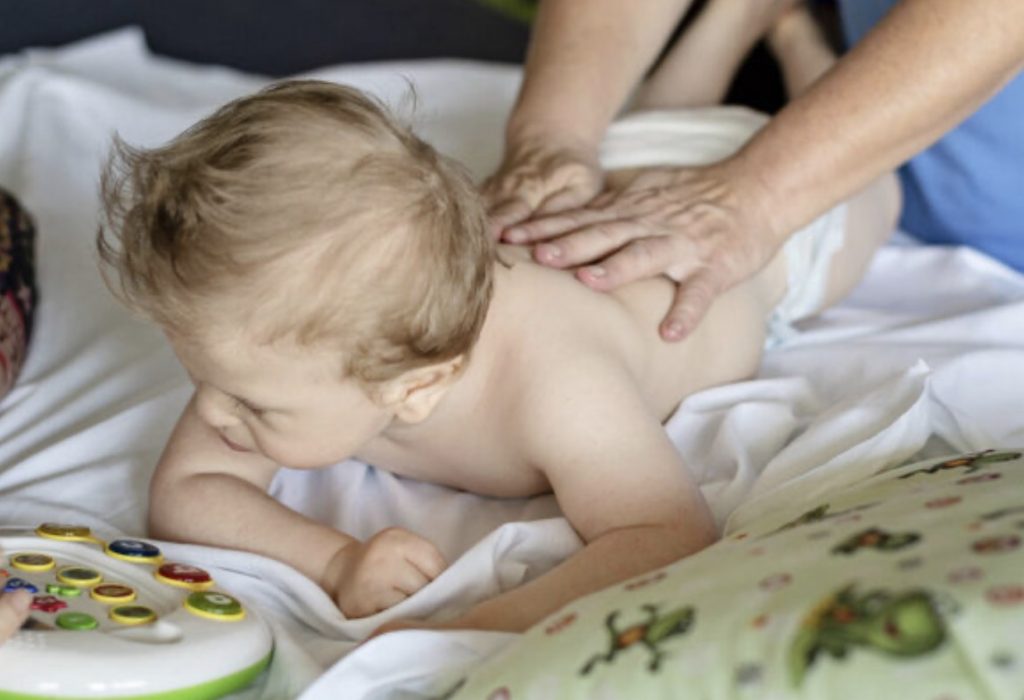
Parents Stay for Every Session
Your child’s comfort is a clinical priority. Parents are present throughout — and we teach you home techniques you can use every day between appointments.
Chinese Herbal Medicine for Kids
When herbs are appropriate, we use child-friendly forms:
- Granules dissolved in warm water (most common for digestive conditions)
- Patent pills for older children
- All products are TGA-regulated and prescribed at age-appropriate doses
How Many Sessions Will My Child Need?
Children respond quickly. Most families notice real change within 3-6 sessions.
| Phase | Frequency | Focus |
|---|---|---|
| Initial | Weekly × 3–4 sessions | Build the therapeutic pattern; introduce dietary changes |
| Consolidation | Fortnightly × 2–4 sessions | Sustain improvement; establish home Tui Na routine |
| Maintenance | Monthly or as needed | Support through growth spurts, new school terms, illness |
Dietary Tips – Supporting Your Child at Home
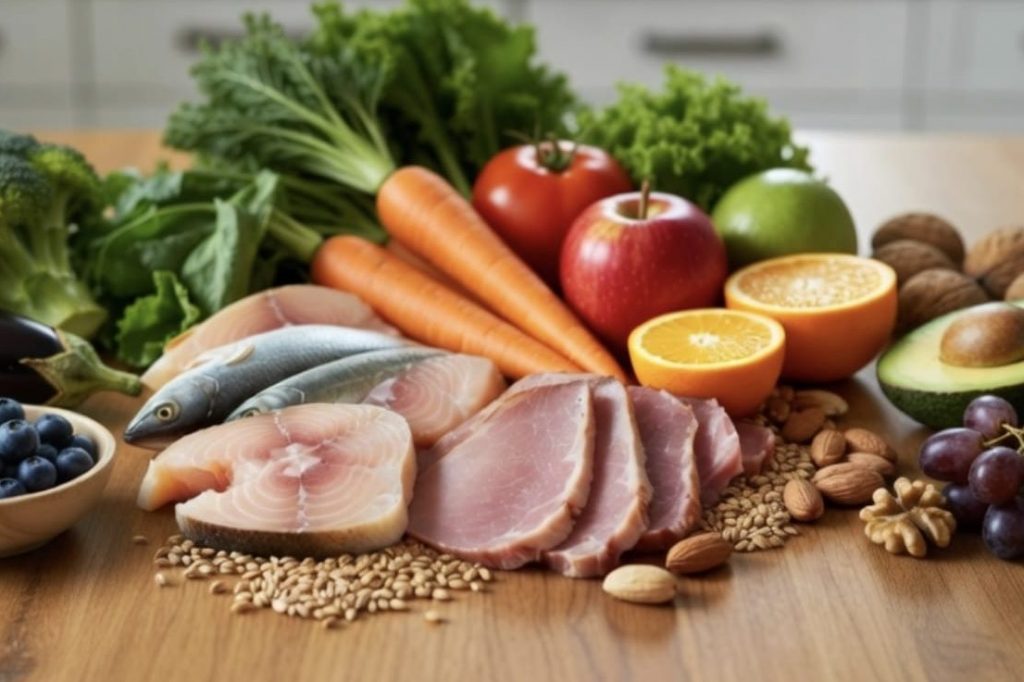
Chinese medicine and food are inseparable. Small changes at home can make a big difference.
✅ Helpful foods and habits:
- Warm, cooked meals – soups, congee, steamed vegetables
- Regular meal times – same time each day supports digestive rhythm
- Smaller, more frequent meals for children with poor appetite
- Warm drinks – herbal teas or warm water rather than cold drinks
❌ Foods to reduce (especially during treatment):
- Cold drinks and iced food
- Large amounts of raw vegetables
- Excessive dairy (milk, cheese, yoghurt)
- Highly processed or very sweet snacks
- Eating in front of screens or when rushed
Specific advice is always tailored to your child at the consultation.
Why Choose Dr. Tracey Byrne?
 Looking for a safe, holistic treatment for your child’s stomach pain or digestive problems? Here’s what sets our paediatric care apart.
✔ Specialist Paediatric Training
Dr. Tracey Byrne trained under Julian Scott (UK) – the world’s leading authority on paediatric acupuncture. This is a rare credential in Australia.
✔ Double-Degree Qualified
Her degrees in Chinese Medicine and Human Biology from RMIT University combine traditional diagnosis with modern physiology.
✔ 20+ Years of Clinical Experience
Tracey has treated children across all age groups and conditions for over two decades.
✔ Calm and Child-Friendly
Parents consistently describe her as gentle, patient, and excellent at putting children at ease – even children who are nervous.
✔ AHPRA-Registered
All treatments are delivered within a regulated clinical framework. All herbal medicines are TGA-compliant.
Book a Paediatric Consultation
Dr. Tracey Byrne is available at our Coburg clinic on Tuesdays, Thursdays, and Sundays.
| Day | Hours |
|---|---|
| Tuesday | 10:00am – 6:00pm |
| Thursday | 10:00am – 6:00pm |
| Sunday | 9:00am – 3:00pm |
📍 21 Bell Street, Coburg VIC 3058
Serving Brunswick, Preston, Northcote, Essendon, Pascoe Vale, and surrounding suburbs.
→ View Coburg Clinic Details
Book OnlineFrequently Asked Questions
Can acupuncture help with infant colic?
Yes. Colic is one of the most common presentations in infant TCM care.
Treatment is entirely through gentle Tui Na massage and acupressure – no needles for young babies.
Most families notice a meaningful difference within 2–3 sessions. Importantly, we teach parents the home Tui Na techniques so you can continue giving your baby relief every day between visits.
What is the difference between colic and reflux in babies?
Colic is primarily driven by trapped wind and intestinal cramping – the baby cries intensely but feeds and gains weight normally.
Reflux involves stomach contents rising back up – causing pain after feeds, back arching, vomiting, and often feeding refusal or slow weight gain. Many babies have elements of both. Dr. Tracey will assess which pattern is predominant at the initial consultation and tailor treatment accordingly.
Is acupuncture safe for children?
Yes. When performed by an AHPRA-registered practitioner with specialist paediatric training, acupuncture is safe for children of all ages. We use age-appropriate techniques and needle-free options where needed.
Does my child need needles?
Not necessarily. For young children or nervous children, we have effective alternatives – Tui Na, acupressure and laser acupuncture. Many digestive treatments for young children use no needles at all.
How young can children start?
From birth. For babies, treatment is entirely through Tui Na and acupressure. Gentle needle stimulation is introduced gradually as children grow.
Can I help at home?
What if my child is already seeing a doctor?
How long does each session take?
Ready to help your child?
or
Book a Paediatric Consultation Online
AHPRA-registered. TGA-compliant herbal prescribing. Paediatric specialist training.