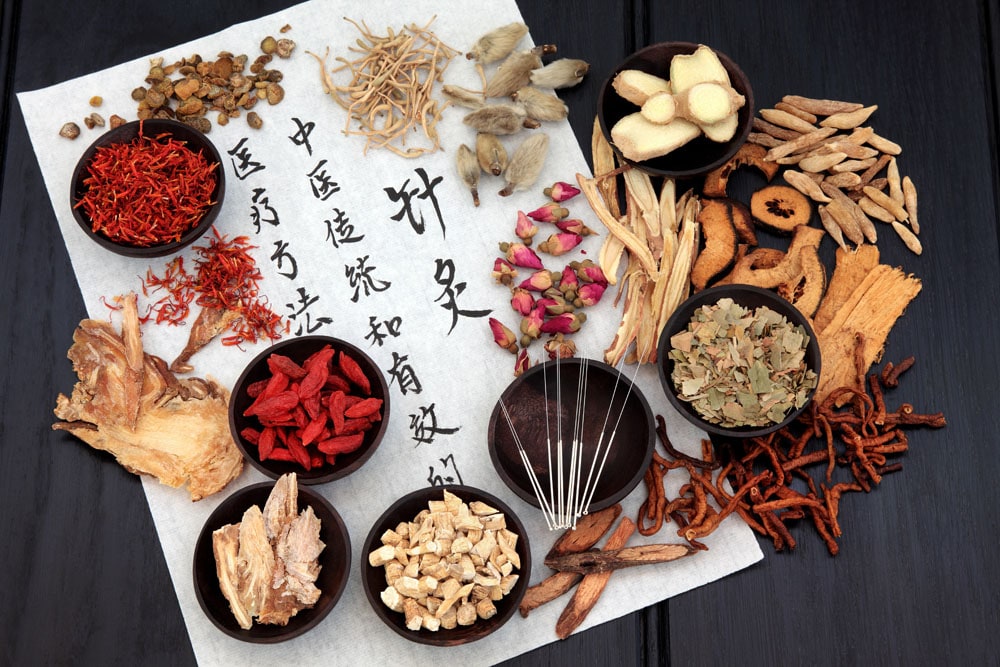
Understanding Traditional Chinese Medicine (TCM) Theory
Traditional Chinese Medicine is built on a comprehensive system of theory developed over thousands of years.
It provides a framework for understanding health not just as the absence of symptoms, but as a state of balance within the body and with the environment.
At Almond Wellness Centre, we integrate this ancient “art of healing” with modern clinical standards to provide comprehensive care for our Melbourne patients.
1. Holistic Concept – Seeing the Body as One Connected System
TCM views the body as an integrated whole, where all systems are interconnected and constantly influencing each other.
Internal integration:
The internal organs (Zang-Fu) are connected through the meridian system, linking the body, mind, and physical structure into one coordinated network.
Connection with nature:
The body responds to changes in the environment—such as day and night cycles, seasons, and climate.
This reflects the principle of “harmony between humans and nature.
👉 This is why treatment often considers lifestyle, environment, and timing—not just symptoms.
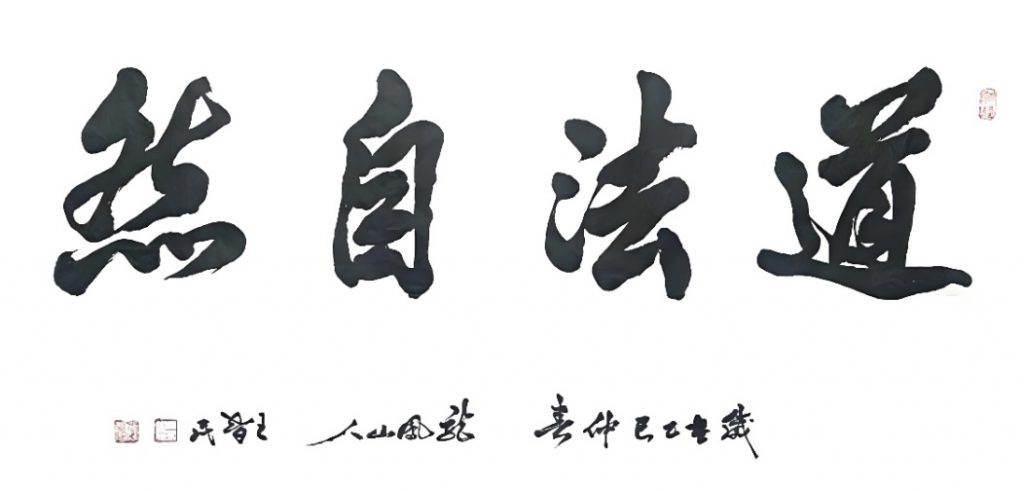
道法自然 – The Way Conforms to Nature
2. Yin Yang – The Balance of Opposites
Understanding Balance in the Body
Yin and Yang describe two complementary forces that exist in everything within the body.
Opposition:
Cold vs heat, rest vs activity
Interdependence:
Yin supports Yang, and Yang supports Yin
Dynamic balance:
Health exists when Yin and Yang are balanced
Illness occurs when this balance is disrupted
👉 Our goal is to restore this balance so the body can regulate itself naturally.
→ Read the Ultimate Guide to Yin Yang
3. Five Elements Theory – How Organ Systems Interact
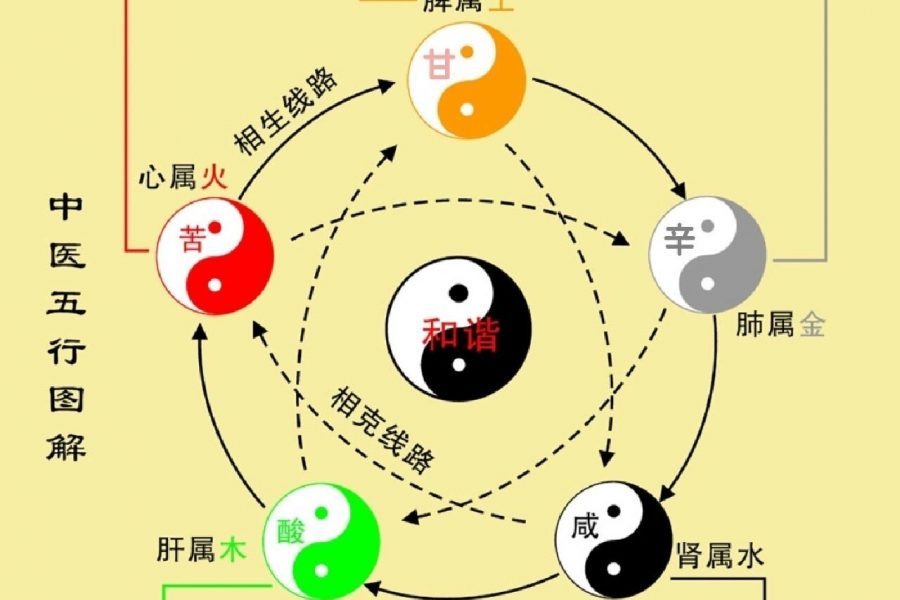
The Five Elements – Wood, Fire, Earth, Metal, and Water – represent different organ systems and their relationships.
- Generating cycle: systems support each other
- Controlling cycle: systems regulate each other
This helps us understand:
- How one imbalance can affect multiple systems
- Why symptoms may appear in different areas of the body
👉 Treatment focuses on restoring harmony across the whole system, not just one organ.
→ Learn about the Five Elements Theory
4. Syndrome Differentiation – Personalised Treatment Based on Patterns(Pattern Diagnosis – 辨证论治)
This is the core of TCM clinical practice.
Diagnosis (辨证):
We gather information through observation, listening, questioning, and pulse diagnosis to identify patterns of imbalance.
Treatment (论治):
Based on this pattern, we create a personalised treatment plan using acupuncture, herbal medicine, and lifestyle guidance.
👉 This is why two people with the same condition may receive different treatments.
→ Discover how Pattern Diagnosis works
5. Treating The Root – (治病求本)
Unlike conventional medicine, which often focuses on isolated symptoms, TCM views the body as an interconnected system. We treat the whole person, seeking to alleviate the immediate symptoms while resolving the underlying “root” cause.
Our Therapeutic Toolkit
Depending on your diagnosis, our AHPRA-registered practitioners utilise a variety of specialised TCM modalities:
- Acupuncture: Restoring the flow of Qi.
- Chinese Herbal Medicine: Internal support for chronic conditions.
- Tui Na: Chinese therapeutic massage.
- Ancillary Therapies: Including Cupping, Moxibustion, and Gua Sha.