
Gentle, individualised complementary care for children
Supporting Children with Tics & Tourette Syndrome
Watching a child experience repeated movements or sounds can be worrying, particularly when symptoms appear suddenly or seem to change from one day to the next.
Tics are common in childhood and can vary considerably in frequency and intensity. Some children have mild or temporary tics, while others experience persistent motor and vocal tics that may meet the criteria for Tourette syndrome.
At Almond Wellness Centre, I offer acupuncture and Chinese medicine as complementary care for children with tic disorders. Care is individualised according to the child’s age, symptoms, general health, sleep, emotional wellbeing and overall presentation.
I want to be upfront: Chinese medicine should not replace appropriate medical assessment or treatment. If your child has new, severe or unusual involuntary movements, a medical assessment is the right first step.
What Are Tics?
Tics are involuntary, repetitive movements or sounds.
They can include:
- Eye blinking
- Facial grimacing
- Shoulder shrugging
- Throat clearing or vocal sounds
Tics often:
- Fluctuate over time
- Become more noticeable with stress, fatigue or illness
- Become less noticeable when a child is calm or relaxed
Tics can be simple or more complex, and the pattern often changes over time. A child may also describe a feeling of building internal tension or an urge before a tic, with some relief afterwards – though not every child notices or can put this into words, especially younger children.
What Is Tourette syndrome?
Tourette syndrome is a neurological and neurodevelopmental condition involving both motor tics and vocal tics, with symptoms persisting for more than one year. It usually begins in childhood, and severity varies substantially from child to child.
Having a tic doesn’t necessarily mean a child has Tourette syndrome. Other tic disorders – and other neurological or medical conditions – can also produce involuntary movements or sounds, which is why an appropriate assessment matters when symptoms are persistent, unusual, or concerning. A diagnosis of Tourette syndrome should be made by an appropriately qualified health professional; it isn’t something I diagnose in my practice.
How Do Tics Fluctuate?
One of the most important things I try to explain to parents is that tics naturally wax and wane. A child may have:
Several calmer days followed by a period of more noticeable tics
- Different types of tics at different times
- More noticeable symptoms during one stage of childhood and fewer later
- Temporary increases during illness, tiredness, or stressful periods
- Changes in symptoms alongside changes in school, routine, or family circumstances
A temporary flare doesn’t necessarily mean a child’s condition is getting worse overall.
This is one reason I look at the broader pattern over weeks and months rather than judging progress from a single day.
What Can Make Tics More Noticeable?
There’s no single trigger behind tics in every child, but parents commonly notice changes around:
- Tiredness – tics may become more noticeable when a child is physically or mentally tired
- Stress and emotional pressure – starting school, exams, routine changes, or family stress may coincide with more noticeable tics
- Illness – a cold, fever, or other illness can temporarily increase tics in some children
- Excitement or overstimulation – strong emotions don’t cause tic disorders, but excitement or frustration may make existing tics more noticeable
- Changes in routine – shifts in sleep schedule, school routine, holidays, or screen time may sometimes coincide with symptom changes
These associations don’t mean stress, food, or lifestyle factors are the underlying cause of Tourette syndrome — they’re simply factors that can influence how noticeable symptoms are at a given time.
The Role of Sleep and Stress
Sleep and emotional wellbeing are often an important part of the picture.
Some children with tic disorders also have difficulty settling to sleep, restless sleep, anxiety, irritability, or trouble regulating emotions. These factors can feed into one another: poor sleep leaves a child more tired and emotionally sensitive, while stress can make it harder to settle at night.
This is why I look beyond the tic itself.
During a consultation, I typically consider:
- Sleep quality and bedtime routine
- Daytime energy and fatigue
- Emotional wellbeing
- Stress and anxiety
- Concentration and behaviour
- Digestion and appetite
- General health and recent illness
- The frequency, type, and pattern of tics
The aim is not to assume that these factors cause a tic disorder, but to understand the child’s broader presentation and identify areas that may benefit from support.
A Holistic Approach with Acupuncture & Chinese Medicine
In Traditional Chinese Medicine (TCM), tics are not viewed in isolation.
Depending on the individual presentation, a practitioner may consider traditional patterns such as:
- Internal Wind (内风, nèi fēng): A traditional TCM concept sometimes associated with sudden, involuntary movements or twitching.
- Liver and Heart patterns: Traditional patterns that may be considered when tics occur alongside restlessness, emotional sensitivity, frustration or difficulty settling.
- Phlegm disturbing the mind (痰扰心神, tán rǎo xīn shén): A traditional TCM pattern sometimes considered when mental restlessness, unsettled sleep or other accompanying symptoms are present.
- Qi and Blood or underlying deficiency patterns: Traditional patterns considered when tics occur alongside fatigue, weakness or other signs traditionally associated with deficiency.
These are traditional diagnostic concepts, not biomedical explanations for Tourette syndrome.
A child whose tics occur alongside restlessness and poor sleep may receive a different TCM approach from a child whose presentation is dominated by fatigue or digestive symptoms.
That is the purpose of an individual consultation rather than a standard protocol.
Acupuncture for Tics and Tourette Syndrome
Research has investigated acupuncture as a complementary approach for tic disorders, including in children.
Some clinical studies and systematic reviews have reported potentially positive findings, including improvements in tic frequency, severity or associated symptoms. However, the available research has important limitations, including differences in study design, treatment methods and study quality.
I therefore do not interpret the current evidence as showing that acupuncture is an established treatment for Tourette syndrome.
For these reasons, I use acupuncture as a complementary option alongside, rather than instead of, established medical or behavioural care.
What Does the Research Say?
Research into acupuncture and Chinese medicine for tic disorders is still developing.
A 2025 systematic review and meta-analysis examined studies of acupuncture for tic disorders and reported possible improvements in motor tics, vocal tics and overall tic severity. However, the authors also identified limitations in the available evidence and the need for better-quality research. Earlier reviews have reported similarly cautious, potentially positive findings while calling for better-quality research.
Another 2025 review examined Traditional Chinese Medicine approaches used alongside conventional medication for Tourette syndrome and reported possible benefits in some treatment outcomes and medication-related effects. Again, the quality and consistency of the underlying evidence limit how confidently these findings can be interpreted.
These findings are interesting but should be viewed as preliminary rather than proof that Chinese medicine treats Tourette syndrome.
My approach is therefore conservative: acupuncture and Chinese medicine may be considered as complementary care, while appropriate medical assessment and established behavioural or medical treatment remain central to the child’s care.
Chinese Herbal Medicine
Where appropriate, and always tailored to the individual child, I may recommend Chinese herbal medicine.
Formulas used for this type of presentation may include herbs traditionally used in TCM to calm Internal Wind or support a child’s broader pattern. Examples include:
- White Peony Root (白芍, Bái Sháo)
- Gastrodia (天麻, Tiān Má)
- Uncaria (钩藤, Gōu Téng)
These herbs may be combined with other herbs according to the child’s individual sleep, digestion, energy and emotional presentation.
Research insight: A 2025 review found that combining TCM with Western pharmacotherapy for Tourette Syndrome may improve overall treatment efficacy, reduce side effects, and enhance patient outcomes. (Yu et al., 2025)
These are examples of traditional use only. They should not be interpreted as evidence that an individual herb treats Tourette syndrome or tic disorders.
Please do not give your child any Chinese herb based solely on information found online without an individual assessment.
I don’t prescribe herbal medicine simply because a child has a tic disorder diagnosis. The formula is built around the child’s individual presentation and adjusted as that presentation changes.
For children specifically, I pay close attention to:
- Age and body size
- Existing medications
- Other health conditions
- Allergies and sensitivities
- The quality and composition of the herbal product
- Potential interactions between herbs and prescribed medicines
Chinese herbal medicine for children should always be prescribed and monitored by a suitably qualified practitioner.
I ask parents to provide a complete list of medications and supplements before I prescribe anything. If a child develops a reaction or other unexpected symptoms, parents should contact me promptly and seek medical advice where appropriate.
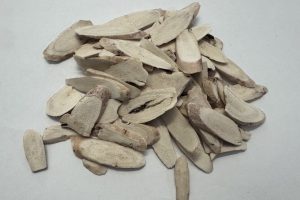
Chinese herb Bai Shao

Chinese herb Gou Teng
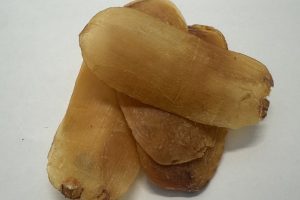
Chinese herb Tian Ma
What Your First Few Visits Can Look Like
1. Initial consultation
I begin by discussing when the tics started, what movements or sounds occur, how often they happen and whether they have changed over time.
I also ask about:
- Sleep
- Recent illness
- Stress and emotional wellbeing
- General health
- Digestion and appetite
- Behaviour and concentration
- Current medications
- Other treatments
- Existing medical or neurological diagnoses
For children, information from parents or carers is especially valuable.
2. Individualised treatment
The approach depends on the child’s age, presentation and comfort level.
Depending on the individual child, care may include:
- Acupuncture
- Laser acupuncture
- Acupressure
- Gentle massage
- Chinese herbal medicine
Not every child needs every option.
Sessions are adapted to the child’s age and comfort level and are kept gentle and appropriately paced.
3. Monitoring
Because tics naturally fluctuate, I look at the broader pattern rather than expecting a straight line.
Many parents find it useful to keep a simple record of:
- Tic frequency and type
- Sleep
- Illness
- Stressful events
- School or routine changes
- Other significant changes
This can help identify patterns and provides useful information during follow-up consultations.
4. Adjustment over time
A child’s presentation can change as they grow or as circumstances change, so I adjust the approach when needed.
Colds, tiredness or stressful periods can sometimes coincide with temporary increases in tics, which is consistent with the naturally fluctuating course of tic disorders.
Every child is different, and individual responses vary. I do not promise a particular outcome.
Can Chinese Medicine Be Used Alongside Medical Care?
Yes. I see Chinese medicine as complementary care alongside appropriate medical management. Depending on the child’s circumstances, this may sit alongside:
- GP or paediatric care
- Neurology assessment
- Behavioural therapy
- Psychological support
- Occupational therapy
- Speech pathology
- Medication, where prescribed
I encourage parents to keep their child’s medical practitioners informed about any complementary treatment, including Chinese herbal medicine, since herbal medicine can interact with prescription medicines.
When Should a Child See a Doctor?
A medical assessment is particularly important if:
- Involuntary movements are new or rapidly changing
- Movements are severe or prolonged
- There is any loss of awareness or responsiveness
- There are episodes resembling seizures
- Movements cause injury or significant pain
- Symptoms are substantially interfering with school or daily life
- There are significant changes in behaviour or development
- You’re simply unsure whether what you’re seeing is a tic
Chinese medicine should never be used as a substitute for neurological assessment when one is indicated.
Is Acupuncture Suitable for Children?
Acupuncture for children should be performed by an appropriately qualified practitioner experienced with paediatric patients. I adapt the approach to the child’s age and comfort – some children are comfortable with very gentle needling, others prefer needle-free options like laser acupuncture or acupressure. I always discuss the plan with the parent or guardian first, and a child’s comfort and cooperation are respected throughout.
Is Chinese Herbal Medicine Suitable for Children?
It can be appropriate in the right circumstances, but it requires individual assessment. Children aren’t simply given adult formulas at a smaller dose – I consider age, size, constitution, symptoms, medical history, and any other medicines or supplements. Please tell me about every prescription medicine, over-the-counter medicine, and supplement your child is taking.
How Long Does Treatment Take?
There’s no fixed treatment period for tic disorders. Tics naturally change over time, and individual responses to any treatment vary. I review the frequency and duration of care against the child’s presentation and needs as we go – I don’t promise a particular timeframe or outcome, and I’d be cautious of anyone who does.
What to Expect
- Initial consultation to understand your child fully
- Individualised treatment plan
- Gentle, short sessions
- Ongoing monitoring and adjustments
Every child is different. We focus on steady, gradual improvement.
When Should You Seek Support?
Consider support if:
- Tics are becoming more frequent
- Symptoms affect confidence or daily life
- Stress or sleep issues are present
- You want a natural, supportive approach
My Clinical Background
I’m Dr Richard Zeng, clinical director at Almond Wellness Centre and a fourth-generation TCM practitioner.
Over many years in clinical practice, I’ve worked with families seeking complementary care for tic disorders and other complex health presentations.
My approach is structured and individualised, taking into account the child’s symptoms, general health, sleep, emotional wellbeing and existing medical care rather than relying on a one-size-fits-all protocol.
FAQ
Is Chinese medicine safe for children?
Yes, when prescribed by a qualified practitioner. We use child-appropriate dosages and gentle techniques specifically suited for children’s sensitive systems.
How long until we see improvements?
This varies for each child. Some families notice changes within a few weeks, while others benefit from longer-term support. I’ll discuss realistic expectations during your consultation.
Can we use Chinese medicine alongside other treatments?
Absolutely. Chinese medicine works well alongside behavioural therapy, occupational therapy, and in many cases, medication. I believe in a collaborative approach to your child’s care.
What if my child won’t take herbs or is afraid of needles?
There are many options. Herbs can often be formulated into pleasant-tasting granules, and we can teach acupressure techniques instead of needles. We work at your child’s comfort level.
Do you work with both Coburg and Ringwood families?
Yes! We welcome families from across Melbourne at both our Coburg clinic (21 Bell Street) and our Ringwood clinic (31 Wantirna Road).
📍 Tics & Tourette Treatment Melbourne – Book a Consultation
If your child is experiencing tics, you’re not alone – and support is available. At Almond Wellness Centre, we provide:
- Gentle paediatric Chinese medicine consultations
- Child-friendly acupuncture techniques
- Customised herbal formulas
- Dietary and lifestyle guidance
- Support for the whole family
Take the first step:
Call us at 03 8802 1519 to schedule a consultation at our Coburg or Ringwood clinic
or
Book Online