Quick Navigation
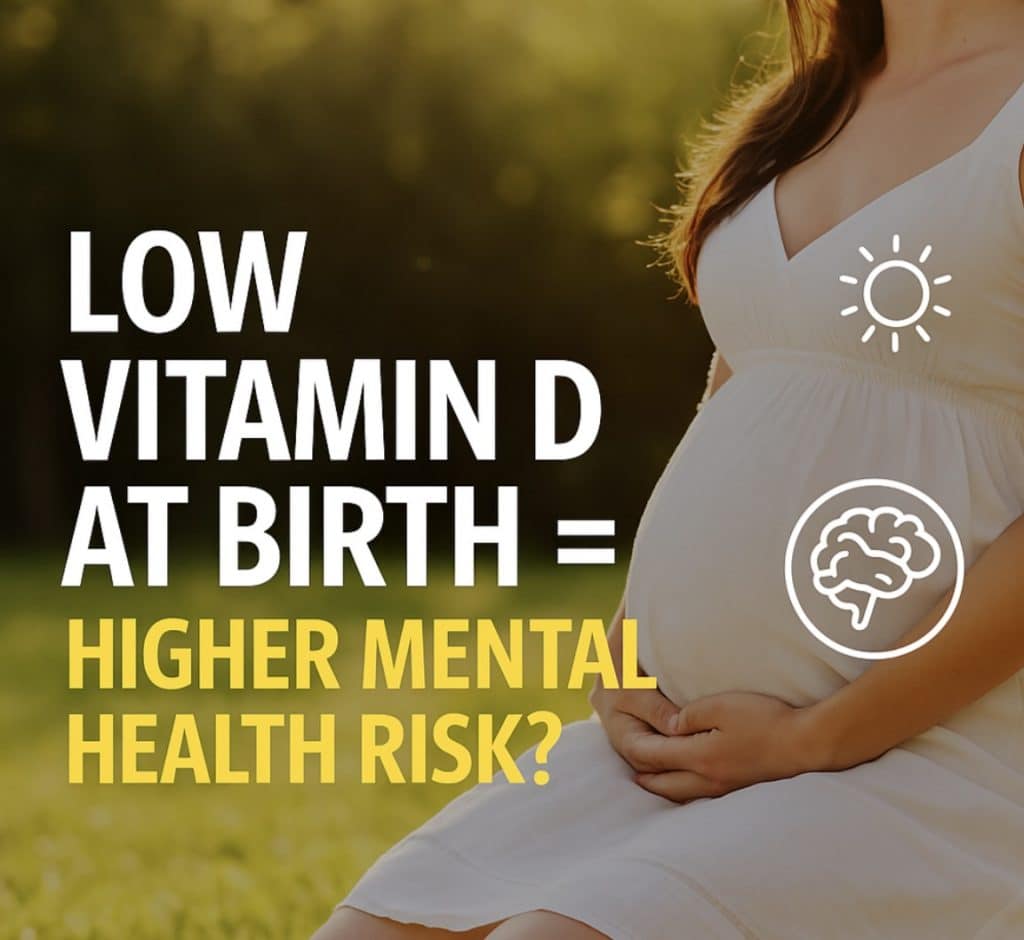
Maintaining healthy vitamin D levels during pregnancy is important for both mother and baby. Recent research has drawn attention to a possible link between low vitamin D levels at birth and an increased likelihood of neurodevelopmental conditions such as autism spectrum disorder (ASD) and attention deficit hyperactivity disorder (ADHD) later in life.
Why This Matters
Newborn babies cannot make their own vitamin D – they depend entirely on what is transferred from the mother during pregnancy. Vitamin D plays a well-known role in supporting bone health, but it also contributes to brain development and immune regulation.
A large international study, published in The Lancet Psychiatry, analysed blood samples from more than 70,000 Danish newborns.¹ The researchers found that babies with very low vitamin D levels (below 25 nmol/L) had a higher likelihood of developing certain mental health or developmental conditions later in life.
While this study does not prove that vitamin D deficiency directly causes these conditions, it highlights the importance of maintaining adequate vitamin D during pregnancy for overall maternal and infant health.
What’s Next for Australia?
In Australia, vitamin D recommendations during pregnancy are currently being reviewed as part of national maternity care guidelines.²
At present, routine testing for vitamin D deficiency is not recommended for all pregnant women. However, those at risk – such as people with limited sun exposure, darker skin, or certain dietary restrictions – may be advised to monitor and manage their levels.
As obstetrician Dr Amanda Henry notes, “Mental health is multifactorial, but optimising maternal nutrition remains key.” Ensuring adequate vitamin D is just one part of supporting healthy pregnancy outcomes.
What You Can Do
Here are some general ways to help maintain healthy vitamin D levels during pregnancy:
- ☀️ Get safe sunlight exposure — short periods outdoors several times a week can help boost vitamin D.
- 🥛 Include vitamin D-rich foods such as oily fish (salmon, sardines), eggs, and fortified products like milk or margarine.
- 💊 Discuss supplementation with your GP or healthcare practitioner if you have low levels or limited sun exposure.
Always seek personalised advice from your qualified healthcare provider before taking supplements during pregnancy.
Supporting Holistic Pregnancy Health
At Almond Wellness Centre, we focus on supporting women’s health and wellbeing through acupuncture, Traditional Chinese Medicine (TCM), and evidence-informed lifestyle guidance. Our goal is to help you feel balanced and supported your fertility and pregnancy journey.
This information is intended for general education and should not replace medical advice. Please consult your healthcare practitioner for guidance specific to your health and pregnancy.
More to Read
Is Your Vitamin D Level Quietly Affecting Your Fertility?
References
- Eyles, D. W. et al. The association between neonatal vitamin D status and risk of neuropsychiatric disorders. The Lancet Psychiatry, 2024.
- Australian Government Department of Health and Aged Care. Vitamin D and Pregnancy – Clinical Practice Guidelines. Accessed 2025.