
Finally Breathe Easy: Natural Relief from Hay Fever
That first sneeze of the season… The itchy, watery eyes that make you rub them raw… The constant nasal congestion that leaves you feeling foggy and exhausted. If you dread spring and summer because of hay fever, you know it’s more than just an occasional sniffle – it can completely derail your enjoyment of the warmer months.
While conventional medications can provide temporary relief, they often come with side effects like drowsiness, dryness, or that “medicated” feeling. At Almond Wellness Centre, we offer a different approach – one that doesn’t just suppress symptoms, but actually helps your body become less reactive to allergens over time.
Ready to enjoy the seasons without the suffering?
Book Online Today or call us at 03 8802 1519 to discover how we can help.
Book Online Today
Understanding Hay Fever Through the Lens of Chinese Medicine
In Western medicine, hay fever is seen as an overreaction to harmless substances like pollen. In Traditional Chinese Medicine, we view it as a combination of two factors:
Weak Defences (Wei Qi Deficiency): Your “Wei Qi” is your protective energy—think of it as your body’s security system. When it’s strong, it keeps unwanted visitors out. When it’s weakened by stress, poor diet, or lack of sleep, your defences are down.
Wind Invasion: We see allergens as a type of “Wind” that can blow through your weakened defenses. This Wind carries other pathogens with it—often Heat (causing inflammation and itching) or Cold (causing clear, watery discharge).
The problem isn’t just the pollen itself, but why your body reacts so strongly to it. While everyone is exposed to seasonal allergens, only some people develop hay fever symptoms.
Our Two-Pronged Approach to Lasting Relief
We don’t just treat your symptoms—we work to strengthen your body’s natural defences while calming the overactive immune response.
Phase 1: Calming the Storm (Symptom Relief)
When you’re in the midst of a hay fever attack, we focus on immediate relief:
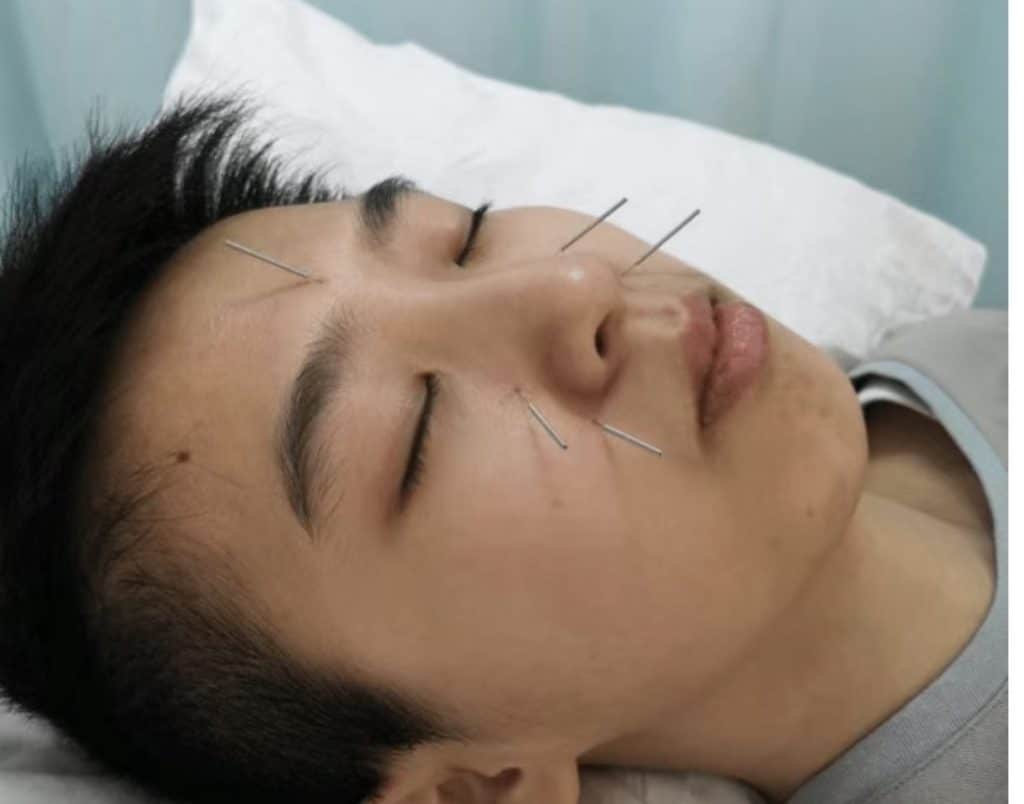
- Acupuncture to reduce inflammation, ease congestion, and stop sneezing
- Herbal formulas to clear Heat, dry excess mucus, and relieve itching
- Gentle techniques like acupressure points you can use at home
Phase 2: Strengthening Your Foundations (Prevention)
Once your acute symptoms are under control, we work on the root cause:
- Building Wei Qi with acupuncture and herbs to strengthen your immune system
- Addressing underlying weaknesses in your Lung and Spleen systems
- Dietary and lifestyle guidance to support your body’s resilience
How Acupuncture Support Your Body’s Response to Allergies
Acupuncture is thought to influence the body’s stress and immune systems, which may help people experiencing seasonal allergies or hay fever. When fine needles are placed at specific points on the body, acupuncture may help to:
- Support immune balance: Encourage healthy immune function and response
- Reduce sensitivity: Assist the body in managing reactions to environmental triggers such as pollen
- Ease nasal congestion: Promote better sinus drainage and airflow
- Soothe inflammation: Support the body’s natural ability to calm irritated tissues
- Enhance wellbeing: Help you feel more comfortable and balanced during allergy season
Research Backs This Up:
A major study published in the Annals of Internal Medicine found that acupuncture significantly reduced hay fever symptoms and decreased the need for medication. Other research has shown that regular acupuncture can actually change how your immune system responds to allergens over time.
Chinese Herbal Medicine: Your Personalised Support System
While over-the-counter medications take a one-size-fits-all approach, we create custom formulas based on your specific symptoms and constitution. Common formulas we use include:
- Yu Ping Feng San (“Jade Screen”): The classic formula for strengthening Wei Qi (your body’s defensive energy) and preventing allergic reactions
- Cang Er Zi San: Excellent for acute symptoms with thick nasal discharge and sinus pain
- Xin Yi San: Specifically for nasal congestion and sinus pressure
- Custom Formulas: Tailored to your unique pattern of symptoms and underlying imbalances
Your Hay Fever Questions, Answered
Q: I’ve had hay fever for years and rely heavily on antihistamines. Can acupuncture really help me?
A: Many of our patients come to us after years of depending on medications. While we don’t recommend stopping your medications abruptly, we often find that as acupuncture treatments progress, patients need less medication and experience fewer breakthrough symptoms. The goal is to help your body become less reactive, reducing your dependence on drugs over time.
Q: When is the best time to start treatment for hay fever?
A: Ideally, we like to start 4-6 weeks before your usual hay fever season begins. This gives us time to strengthen your Wei Qi before the allergen assault begins. However, we can provide significant relief even if you come to us in the middle of a bad flare-up – it’s never too late to seek help.
Q: How many treatments will I need before I notice a difference?
A: Many people experience some relief after just 1-2 sessions, especially for acute symptoms. For lasting change in your body’s reactivity, we typically recommend a series of 6-8 weekly sessions, then transitioning to seasonal “tune-ups” to maintain your results.
Q: Can you help with other allergies besides seasonal hay fever?
A: The same principles apply to other types of allergies—whether to dust, mold, animal dander, or certain foods. By strengthening your Wei Qi and calming your immune system, we can help reduce your reactivity to a variety of allergens.
Q: I’m worried about feeling drowsy or “out of it” during treatment. What does acupuncture feel like?
A: This is a common concern, and the reality is quite the opposite! Acupuncture is incredibly relaxing. Most people find the treatments so calming they actually doze off during the session. Unlike antihistamines that can leave you foggy, you’ll leave your acupuncture session feeling clear-headed and refreshed.
Q: Are Chinese herbs safe to take with my current allergy medications?
A: Yes, when prescribed by a qualified practitioner. We always conduct a thorough health history and will coordinate with any medications you’re taking. Many patients find they can reduce their medication dosage as their herbal treatment progresses.
Simple Tips for Hay Fever Season
While comprehensive treatment takes time, here are some gentle practices to help you right now:
- Nasal Rinse: Use a saline nasal rinse morning and evening to flush out allergens
- Shower at Night: Wash pollen out of your hair and off your skin before bed
- Keep Windows Closed: Especially on high pollen count days
- Local Honey: Some people find local raw honey helps build tolerance to local pollens
- Wear Sunglasses: Protect your eyes from direct pollen contact outdoors
Prevention: Your Best Defence Against Next Season
The most effective approach to hay fever is often preventive care. Consider starting treatment a month before your usual symptoms begin to:
- Strengthen your Wei Qi before pollen season hits
- Reduce the severity of your symptoms
- Possibly prevent symptoms from developing at all
Many of our patients now come for seasonal “tune-ups” rather than suffering through months of symptoms.
 Your Partners in Seasonal Wellness at Almond Wellness Centre
 Your Partners in Seasonal Wellness at Almond Wellness Centre
With clinics in Coburg and Ringwood, we’re here to help you reclaim your enjoyment of the beautiful Melbourne seasons. We understand how frustrating and exhausting hay fever can be, and we’re committed to providing natural drug-free care that addresses the root cause of your suffering.
For over 20 years, we’ve been helping Melburnians breathe easier through allergy season using time-tested natural approaches.
Don’t let another season pass you by in a haze of sneezing and congestion.
Call us at 03 8802 1519 or book your appointment online today.
References
1. Brinkhaus B et al. Acupuncture in patients with seasonal allergic rhinitis: a randomised trial. Ann Intern Med. 2013;158(4):225-234.
2. Xue CC et al. Effect of acupuncture in the treatment of seasonal allergic rhinitis: a randomised controlled clinical trial. Am J Chin Med. 2008;36(6):1055-1066.
3. Zhang J et al. Chinese herbal medicine for allergic rhinitis: a systematic review and meta-analysis of randomised controlled trials. J Allergy Clin Immunol. 2015;136(4):933-943.
4. Lv H et al. Therapeutic effects of Qingfei Xiaoyan Wan on airway inflammation in a mouse model of allergic rhinitis. J Ethnopharmacol. 2018;212:30-39.
5. Min He et al. Acupuncture for allergic rhinitis: a systematic review and meta-analysis. European Journal of Medical Research volume 27, Article number: 58 (2022)