
Author: Dr. Richard Zeng Acupuncturist Melbourne TCM Doctor
As an acupuncturist who regularly reads research, I’m often asked why so many acupuncture studies are considered “low quality.” It’s a fair question. Acupuncture has been used for thousands of years, yet in modern scientific research, it sometimes struggles to meet the same standards as pharmaceutical trials. The truth is, it’s not because acupuncture itself is ineffective — it’s because studying it scientifically presents unique challenges.
Quick Navigation
In this post, I want to share the key reasons why acupuncture research can be difficult to design, what’s currently being done to improve study quality, and why this matters for patients, practitioners, and the wider medical community.
1. Methodological Challenges
One of the biggest hurdles is methodology. Randomised controlled trials (RCTs) are considered the gold standard in research. However, applying that model to acupuncture is not straightforward.
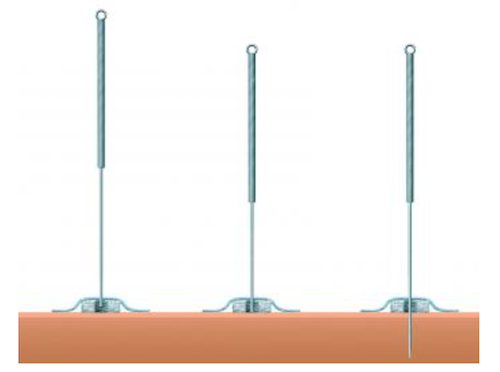
Placebo Controls: Creating a convincing placebo is surprisingly difficult. Devices like the Streitberger placebo needle look like real acupuncture but don’t penetrate the skin. Even so, many patients can still tell the difference, which can influence outcomes.
Blinding: It’s nearly impossible to blind both patients and practitioners completely. Practitioners obviously know whether they’re inserting needles or not, and this knowledge can introduce bias (even unconsciously).
Double-Blind Studies: In drug trials, both patients and doctors can be blinded by using identical pills. In acupuncture, there’s no practical way to make both parties unaware.
Because of these limitations, acupuncture studies often fall short of the strict criteria set by conventional research designs, which affects how their quality is rated in systematic reviews.
2. Blinding Difficulties
Blinding is crucial in high-quality trials, but in acupuncture research:
- Sham acupuncture doesn’t always mimic the real treatment accurately, making it easier for participants to guess their group.
- Practitioner bias can unintentionally influence results when acupuncturists know who is receiving real versus sham treatment.
This lack of perfect blinding can compromise internal validity, even if the study is otherwise well conducted.
3. Heterogeneity of Treatments
Unlike a pill with a fixed dose, acupuncture is highly individualised. Two practitioners might treat the same condition using different points, techniques, or treatment schedules. This diversity reflects clinical reality but makes standardisation difficult.
As a result:
- Outcomes vary between studies.
- Protocols differ significantly.
- Meta-analyses often pool studies that aren’t truly comparable.
This variability doesn’t mean acupuncture is inconsistent — it reflects its personalised nature — but it does make research more complex.
4. Limited Funding and Resources
Another practical issue is funding. Acupuncture research often receives less support than conventional medical research. This means:
- Smaller sample sizes, which reduce statistical power.
- Shorter study durations, making it hard to assess long-term effects.
- Limited access to advanced methodologies, such as neuroimaging or biomarker analysis, which could reveal mechanisms more clearly.
Without adequate funding, even well-designed studies may be labelled “low quality” simply because of size or scope.
5. Publication Bias
Positive studies are more likely to be published, while negative or inconclusive findings often remain unpublished. This skews the overall body of evidence. It can make acupuncture seem more or less effective than it really is, depending on which studies make it to publication.
6. Language Barriers
A large portion of acupuncture research is published in Chinese, Japanese, or Korean. Unfortunately, these studies are often excluded from major systematic reviews due to language restrictions, which narrows the available evidence. Valuable data may never reach the broader scientific community.
Efforts to Improve Acupuncture Research
Despite these challenges, things are improving. Researchers are:
- Developing standardised treatment protocols for common conditions.
- Conducting multi-centre trials with larger sample sizes.
- Using improved sham controls and more transparent reporting guidelines (e.g., STRICTA).
- Applying objective outcome measures, like fMRI, heart rate variability, and hormonal markers, alongside subjective reports.
These efforts aim to strengthen the evidence base and bridge the gap between traditional practice and modern science.
Frequently Asked Questions
Q: Does “low quality” mean the treatment doesn’t work?
Not necessarily. “Low quality” often refers to study design limitations, not treatment effectiveness. Many studies still show positive outcomes but may not meet all research standards used in pharmaceutical trials.
Q: Can acupuncture be studied scientifically?
Yes. While it’s challenging, researchers are developing innovative methods to make acupuncture studies more rigorous. For example, newer sham devices and advanced imaging tools are helping to objectively measure effects.
Q: Why does individualisation make research harder?
Because acupuncture is tailored to each patient, standardising protocols for trials can reduce its effectiveness. Researchers are working on hybrid approaches that balance individualisation with research needs.
Read More
Research on Acupuncture and Chinese Medicine for Fertility & IVF Support
References
- Lundeberg T, Lund I, Naslund J, Thomas M. “The Emperors sham—wrong assumption that sham needling is sham.” Acupuncture in Medicine, 2008; 26(4):239–242.
- MacPherson H, Altman DG, Hammerschlag R, et al. “Revised STandards for Reporting Interventions in Clinical Trials of Acupuncture (STRICTA): extending the CONSORT statement.” PLoS Med 2010;7(6):e1000261.
- Streitberger K, Kleinhenz J. “Introducing a placebo needle into acupuncture research.” Lancet 1998; 352: 364–365.
- Vickers AJ, Linde K. “Acupuncture for chronic pain.” Archives of Internal Medicine, 2012; 172(19):1444–1453.
- Smith CA et al. “Challenges in acupuncture research: a critical review.” Complement Ther Med. 2018; 39: 46–52.